
Vance Aims for Change as US-Iran Talks Begin in Switzerland
- June 21, 2026
- Posted by: Alex Reed
- Category: Related News
As tensions continue to rise in the Middle East, talks are taking place that could impact everyone—from gas prices to global stability. With the U.S. and Iran negotiating a potential ceasefire, the outcome could reshape relations in the region and affect lives back home.
Negotiations Underway in Switzerland
Recent discussions between the U.S. and Iran have moved to a Swiss mountain resort, where Vice President JD Vance is leading the talks. This venue signifies a hopeful shift as both countries aim to negotiate an interim deal to end ongoing conflicts. A 60-day ceasefire extension was agreed upon, allowing for these crucial discussions.
Yet tensions remain high. Iran’s Islamic Revolutionary Guard Corps (IRGC) announced another closure of the vital Strait of Hormuz, a strategic waterway that sees significant oil traffic, in retaliation for Israeli strikes in Lebanon. U.S. military reports indicate that commercial shipping continues, showing the complicated dynamics in play.
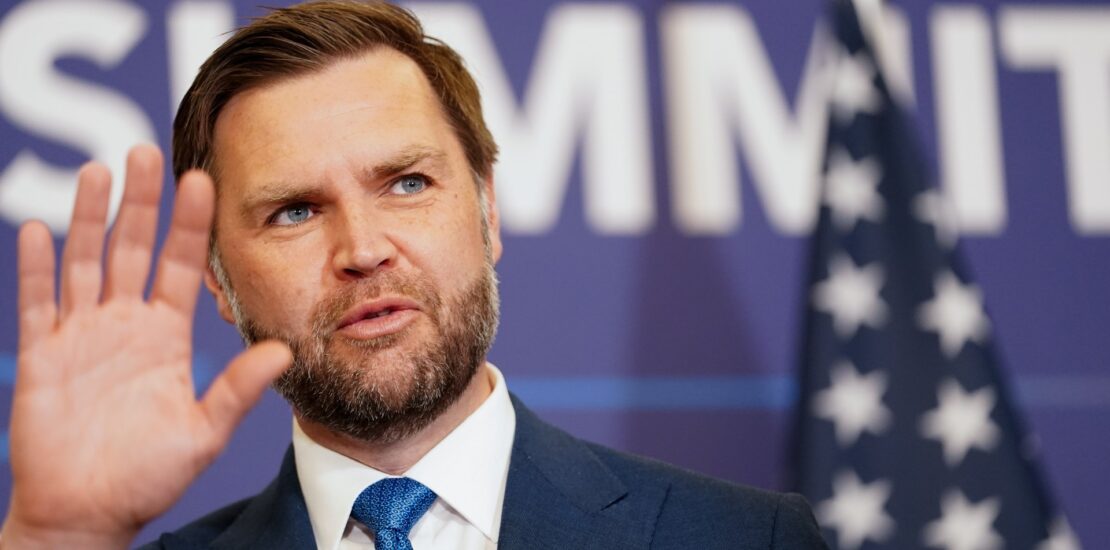
During a press conference, Vance and other leaders acknowledged the challenges while expressing optimism about the negotiations. “Great progress has been made,” he stated, highlighting the potential for a new chapter in U.S.-Iran relations. However, the Iranian negotiators remained more cautious, aiming for a document that promotes global peace and prosperity.
The Challenge of Ongoing Hostilities
Tensions in Lebanon have introduced complications to the negotiations. On one hand, Israel has ramped up attacks, which Iran has denounced as detrimental to the ceasefire agreement. Israeli military operations have led to a substantial number of casualties, further straining the fragile situation.
Iranian representatives have expressed dissatisfaction with the U.S. for not adhering to earlier commitments outlined in their interim deal, including a full ceasefire across all fronts, particularly in Lebanon. Mohammad Mokhber, an adviser to Iran’s supreme leader, emphasized that if the U.S. fails to implement its commitments, energy flow and regional stability will remain at risk.
The complexities are evident, with U.S. officials attempting to balance support for Israel while negotiating with Iran. As these geopolitical maneuvers unfold, many are left wondering how this will impact everyday life and global relations.
Domestic Reactions and Global Implications
Back in the U.S., the political landscape is just as charged. Former President Donald Trump has made headlines with threats aimed at Iran regarding their support for Hezbollah, a Lebanese militant group. His messages underscore the seriousness of the current situation and reflect deep-seated fears about regional aggression.
Iran’s top negotiator responded defiantly, stating that threats from the U.S. have shown a lack of effectiveness and only symbolize desperation. This back-and-forth has heightened tensions, raising concerns among allies and observers about the stability in the region.
Simultaneously, discussions among global leaders—including Prime Ministers from Pakistan and Qatar—are taking place to ensure that all sides are aligned. The hope is to emerge with a plan that can achieve long-term peace and minimize conflicts that affect countless innocent lives.
What this means for you
Understanding these geopolitical developments is crucial because they can affect global markets, which in turn influence your daily expenses, such as fuel prices. If you ever need to review documents related to international agreements or negotiations, legal-document-to-plain-english-translator/”>AI legalese decoder can translate them into plain English in seconds. This way, you can stay informed and make better decisions based on the complexities of global affairs.
Need to decode legal language? Try the free AI Legalese Decoder — no registration required.
Source: https://www.aljazeera.com/news/2026/6/21/vance-arrives-in-switzerland-for-us-iran-talks

 ****** just grabbed a