
University of Minnesota Researchers Create Highly Realistic Synthetic Cell
- July 2, 2026
- Posted by: Alex Reed
- Category: Related News
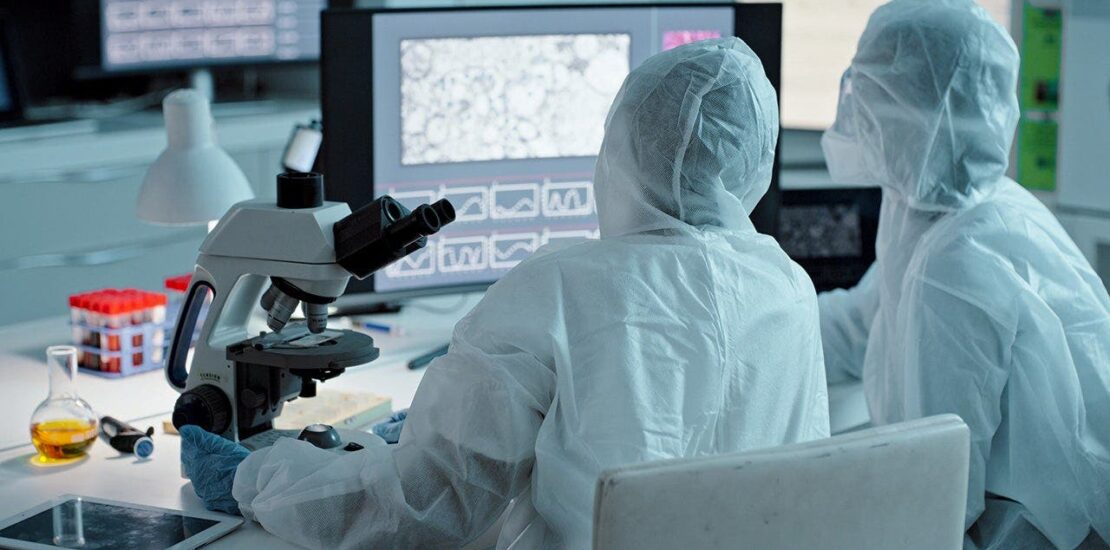
Scientists at the University of Minnesota have made a groundbreaking discovery by creating the most lifelike synthetic cell to date. This achievement, hailed for its potential to redefine biological research, could impact everything from medicine to environmental science and even industry.
What is the Synthetic Cell?
The researchers have dubbed their creation the “SpudCell.” Unlike previous attempts that started with living cells, SpudCell is constructed entirely from nonliving components. This 90,000-base-pair genome enables the synthetic cell to execute key biological functions. It can produce proteins, replicate DNA, grow, and divide into daughter cells. The researchers describe SpudCell as “the first minimal cell” that demonstrates a cell cycle, which includes genetically driven growth and division, along with elements of selection and competition.
However, it’s important to note that these synthetic cells can only thrive under tightly controlled lab conditions. They require specific nutrients and components to survive and cannot function in natural environments. This limitation means that while the SpudCell is a significant step towards synthetic life, it currently lacks the robustness of even the simplest living organisms.
Key Milestones in Synthetic Life
The research team reported their findings in a preprint on bioRxiv, meaning the results are yet to undergo peer review. They highlighted that introducing a genetic mutation allowed some SpudCells to grow faster than others. This natural selection led to increased offspring from the quicker-growing cells over several generations. It emphasizes a foundational aspect of evolution, hinting that synthetic cells could become more sophisticated over time.
The work is described as a significant milestone toward creating fully artificial organisms that might serve various biotechnological applications. With this progress, the team suggests it could pave the way for future advancements in synthetic biology, which could lead to a variety of practical uses ranging from environmental cleanup to medical therapies.
Challenges Ahead
Despite these advancements, the researchers acknowledge many limitations. The SpudCell cannot operate independently outside laboratory settings and requires ribosomes purified from E. coli bacteria. After five generations, only around 30% of offspring received the complete synthetic genome, which raises questions about the reliability of this technology.
Additionally, the rise of synthetic biology brings new biosafety and biosecurity considerations. Researchers are prompted to think carefully about the implications of creating more complex synthetic cells. The team underscores the need for robust safety and security frameworks as the field progresses.
The Future of Synthetic Cells
Future research will aim to make these synthetic cells more self-sufficient. This includes allowing them to generate their own molecular machinery and naturally develop mutations rather than relying on artificial means for genetic changes.
The team believes that as advancements continue, synthetic cells could evolve into autonomous systems that hold exciting possibilities for multiple fields, including healthcare and environmental management. They express hope that their work is a significant step toward realizing these complex synthetic systems.
What this means for you
The development of synthetic cells could lead to new medical treatments or environmental solutions that might be relevant to your life. If you ever need to review contracts for medical consent or other related documents, legal-document-to-plain-english-translator/”>AI legalese decoder can translate it into plain English in seconds. Keep an eye on how these scientific advancements could affect technologies and regulations in the future.
Need to decode legal language? Try the free AI Legalese Decoder — no registration required.

 ****** just grabbed a