
UMN Program Expands Medical Opportunities for Native Youth
- April 22, 2026
- Posted by: Alex Reed
- Category: Related News
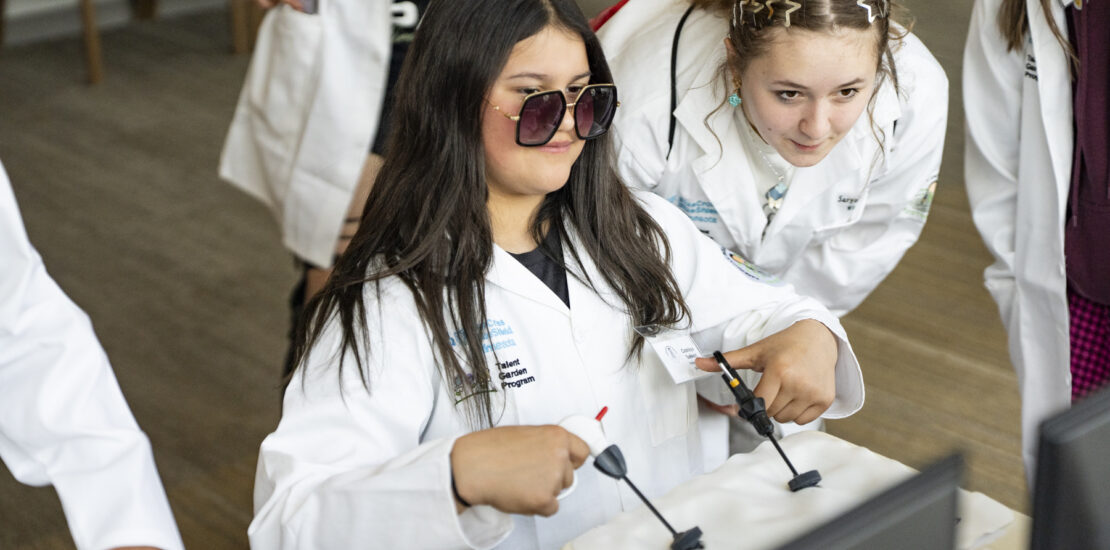
Benjiman Olerud, an 18-year-old from the White Earth Reservation, recently put on a white coat and slung a stethoscope around his neck for the first time. He joined about 100 other Native youth eager to explore career opportunities in healthcare, aiming to change the narrative of underrepresentation among Native professionals in the medical field.
Opening Doors for Native Youth in Healthcare
The American Indian Youth with Stethoscopes summit hosted by Hennepin Healthcare plays a crucial role in offering Native American youth the chance to engage with medical practices that they might not otherwise experience. Many participants, including Olerud, find it challenging to see their futures in healthcare due to a lack of role models. “With any profession, but especially health care, I feel like we’re very excluded,” he shared.
This year’s event introduced students to hands-on activities like practicing intubation and listening to heartbeats with a stethoscope on mannequins. Olerud’s involvement and the feedback from other participants highlight a growing interest in health careers, bolstered by programs that focus on combining traditional Native practices with modern medicine.
Empowering Through Education and Culture
The Mashkiki Maaginigan program, run by Megan Lhotka from the University of Minnesota, succeeds in bringing similar opportunities to Native youth living near the White Earth Reservation. The program blends cultural heritage with modern healthcare training, encouraging youth to explore various health fields. More than 100 young people have already participated, exploring careers ranging from nursing to mental health.
Lhotka emphasized the significant impact of culturally relevant education. “Native people know how to take care of Native people,” she stated. The goal is not only to inspire youth to pursue medical degrees but also to consider other roles, like nursing assistants or healthcare technicians. This approach ensures the community can support itself through its professionals, promoting long-term health benefits.
Breaking Down the Healthcare Gap
The lack of Native healthcare providers has pronounced effects on communities. In the U.S., Native individuals make up less than one percent of the nation’s doctors. Historical health disparities continue to affect Native peoples, leading to higher instances of diseases like diabetes and cancer. The Mashkiki program aims to shift this narrative by cultivating a new generation of healthcare professionals who embody the cultural understanding necessary for community-centric healthcare.
“Health for Natives is a holistic approach,” Lhotka explained. The program prioritizes real-world experiences that resonate deeply with the cultural background of the students, making healthcare not just a profession but a purpose.
Future Aspirations and Community Impact
With a recent grant of $200,000 from the Medica Foundation, the Mashkiki Maaginigan program is set to expand. As more youth like Olerud start pursuing their education in nursing and other medical fields, the program strives to connect these aspiring professionals with their communities. Olerud himself is slated to start nursing school this fall, aiming to specialize as a psychiatric nurse and help those struggling with addiction.
The Mashkiki initiative stands as a model for similar programs across tribal nations, showing that effective healthcare education can be culturally relevant and community-focused. As participants gain training and insights, they not only envision their futures but also gain the tools to uplift their communities.
What this means for you
Programs like Mashkiki Maaginigan highlight the importance of culturally sensitive education in healthcare. If you ever need to review a medical consent document, legal-document-to-plain-english-translator/”>AI legalese decoder can translate it into plain English in seconds. Engaging with community-oriented initiatives ensures that more diverse voices contribute to the healthcare landscape, benefiting everyone involved.
Need to decode legal language? Try the free AI Legalese Decoder — no registration required.
Source: https://sahanjournal.com/health/university-of-minnesota-hcmc-native-youth-summit/

 ****** just grabbed a