
UCSF’s Project to Digitize Ancient Japanese Medicine Archives
- May 10, 2026
- Posted by: Alex Reed
- Category: Related News
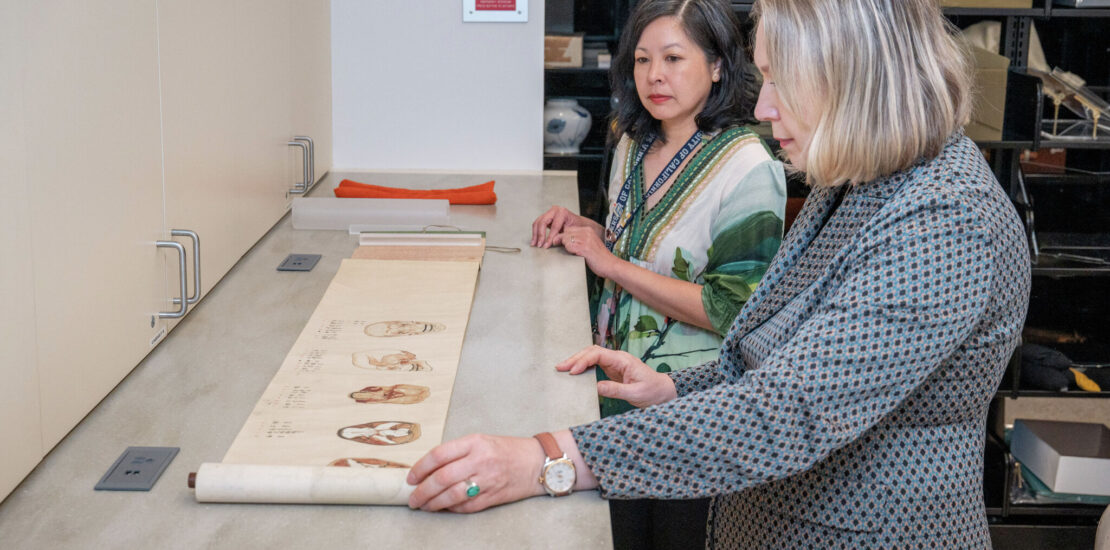
UCSF is unlocking a treasure trove of ancient medical knowledge that could change how we think about medical treatments today. This impressive collection not only illuminates the history of medicine in Japan but may also offer insights into modern healthcare practices.
Discovering Lost Knowledge
At the University of California, San Francisco (UCSF), a rare collection of medical artifacts from Japan is being digitized for the first time. This East Asian medicine collection is among the largest and most important in the world. It includes everything from ancient medical textbooks to detailed woodblock prints that once served as public health announcements. The effort to digitize these pieces aims to make this valuable information accessible to everyone, including historians, researchers, and even today’s medical professionals.
One highlight of the collection is a woodblock print showing a character known as the “golden boy,” meant to ward off diseases like measles. This survivor from an era long past symbolizes the rich legacy of traditional Japanese medicine, reflecting cultural beliefs about health and sickness.
Bridging the Past and Present
The digitization project is a labor of love involving librarians and archivists, including those from the Art Research Center at Ritsumeikan University in Kyoto. Their work involves scanning fragile books and scrolls, some stretching an impressive 20 feet long. Once these items are digitized, staff will assign searchable metadata, making it easier for interested parties to access specific information.
Head librarian Polina Ilieva describes the collection as containing some of the most extensive materials on Japanese woodblock prints related to medicine. The prints vividly depict various subjects, focusing on maternal health and other critical elements of human anatomy, making them not only educational but also artistically significant.
Modern Implications for Healthcare
This rich historical collection could help modern health professionals explore medicinal herbs that have been largely overlooked in contemporary medicine. With a growing interest in alternative and holistic treatments, there is potential for revisiting these ancient strategies in today’s healthcare landscape. For instance, in 2015, a Chinese scientist earned a Nobel Prize for developing a malaria treatment based on insights from ancient texts.
Lisa Nguyen, a digital archivist, emphasizes the relevance of these historical materials. She suggests that the dialogue surrounding health issues, such as measles, is still pertinent today, so understanding historical practices can influence current perspectives on health care.
What this means for you
The ongoing digitization of this significant collection is more than just an academic project; it symbolizes a bridge between the past and the future of healthcare. If you ever need to review medical consent documents or similar materials, legal-document-to-plain-english-translator/”>AI legalese decoder can translate it into plain English in seconds. By accessing this wealth of information, you can better understand how historical insights can benefit modern healthcare approaches.
Need to decode legal language? Try the free AI Legalese Decoder — no registration required.
Source: https://www.sfchronicle.com/health/article/ucsf-japanese-medical-archive-22231000.php

 ****** just grabbed a