
UConn and CTWM Collaborate to Train Future Financial Planners
- April 17, 2026
- Posted by: Alex Reed
- Category: Related News
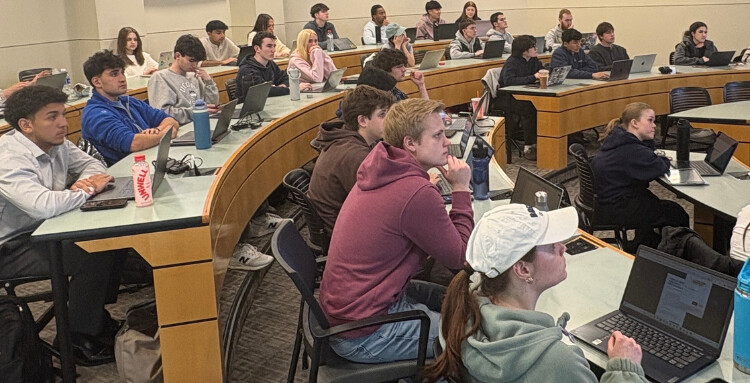
Connecticut Wealth Management (CTWM) is reshaping how financial planning is taught and practiced in Connecticut. Their recent partnership with the University of Connecticut (UConn) aims to help students understand financial decisions in a hands-on way that can impact their future.
Hands-On Learning in Financial Planning
Recently, CTWM engaged over 30 students from UConn’s School of Business in a series of interactive training sessions. These sessions focused on the financial planning process and explain how it aligns with long-term individual goals. Advisors from CTWM, Patrick Sullivan and Sam DeBono, led these discussions, sharing insights on how to evaluate financial options effectively.
The students learned that financial planning goes beyond just numbers. It involves understanding one’s personal objectives, whether that’s saving for a home, planning for education, or preparing for retirement. Budgeting today can help shape a brighter financial future.
Through these workshops, students became familiar with CTWM’s structured yet adaptable approach, emphasizing the integration of technology to streamline decision-making. The goal is to prepare students for real-world financial challenges as they transition from academics to their careers.
A Financial Commitment to Education
CTWM’s partnership with UConn isn’t just about training; it involves significant financial support as well. In October, CTWM announced a $75,000 contribution aimed at creating experiential learning opportunities over three years. This investment is part of a larger effort to enhance financial literacy among students.
CTWM President and CEO Kevin Leahy pointed out the importance of such initiatives. “Financial planning helps individuals understand their options and evaluate their decisions,” he stated, underscoring that practical education can lead to better financial choices in life.
Through this funding, the cohort provides immersive experiences, combining what students learn in the classroom with practical financial applications. This setup not only enriches their academic journey but also prepares them for future careers in wealth management.
Creating Pathways for Future Financial Experts
This innovative program is open to undergraduate students from all majors and class levels. Its goal is not only to equip students with knowledge but also to spark interest in a potential career in financial planning. By exposing students to real-world scenarios, CTWM hopes to cultivate a new generation of financial experts.
The partnership also aims to push towards establishing a formal wealth management minor at UConn. Such a minor would formalize this education pathway, making financial planning an important academic choice for future students.
This initiative reflects a growing recognition of the need for financial education, a skill that many graduates find lacking as they enter the workforce. By integrating hands-on learning, CTWM is paving the way for a more knowledgeable and financially savvy generation.
What This Means for You
For many individuals, understanding financial planning is crucial for personal success. Start by exploring resources that can help you decode financial documents, like contracts or terms of use. If you ever need to review financial agreements, legal-document-to-plain-english-translator/”>AI legalese decoder can translate them into plain English in seconds. This can help you make informed decisions that align with your financial goals.
Need to decode legal language? Try the free AI Legalese Decoder — no registration required.
Source: https://www.cbia.com/news/small-business/cwm-uconn-developing-financial-planners

 ****** just grabbed a