
U.S.-Iran Negotiations: Understanding the Growing Confusion After MOU
- June 20, 2026
- Posted by: Alex Reed
- Category: Related News
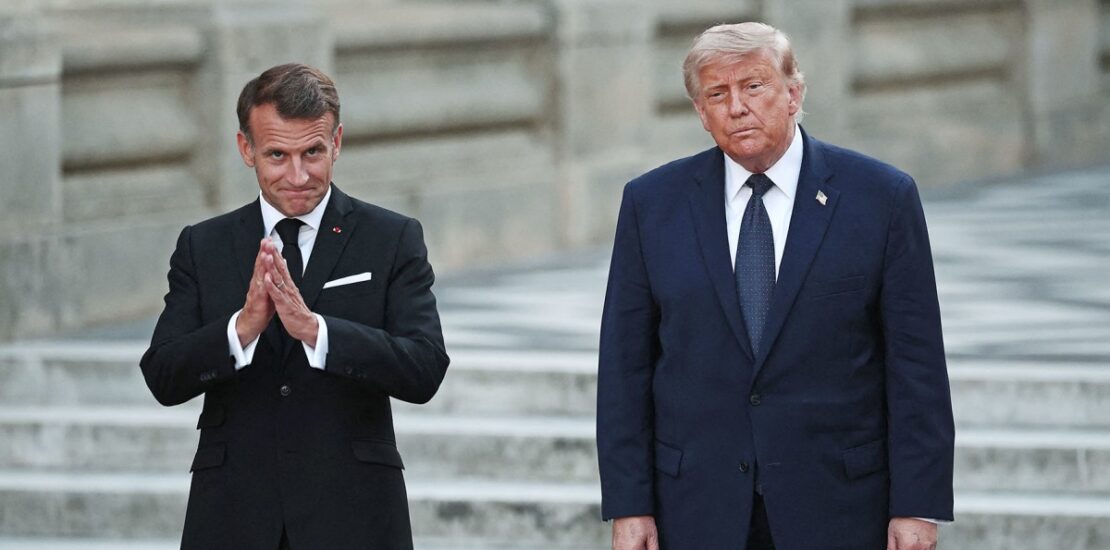
The recent developments in U.S.-Iran relations have created confusion and uncertainty across the globe. These talks aren’t just diplomatic footnotes; they could impact gas prices and global security, things that affect everyday lives.
Negotiation Confusion
The White House recently announced an agreement intended to end the conflict with Iran, but clarity around this deal seems elusive. Vice President JD Vance reportedly signed a memorandum of understanding (MOU) last Sunday, but the administration then indicated a more formal signing ceremony would take place on Friday. This led to conflicting messages regarding when details of the MOU would be made public, with some officials suggesting a rapid release while others hinted at delays.
President Donald Trump attempted to share information about the agreement during a news conference, but it ended up falling to U.S. officials to explain the text to reporters instead. Amidst these chaos, Trump and Iranian President Masoud Pezeshkian re-signed the agreement at a dinner in France, but it’s unclear if there will even be a formal signing ceremony or additional talks regarding the deal.
Mixed Signals and Ongoing Tension
The ambiguity surrounding the potential peace deal comes as no surprise, given the complexities of U.S. involvement in Iran. Attacks by the U.S. and Israel against Iranian targets have continued, despite leaders claiming that a temporary ceasefire established in April is still in effect. Questions remain about Trump’s actual goals and how this MOU aligns with those ambitions.
As tensions escalate, even some Republicans who have supported Trump’s policies are expressing concern over the MOU. They’re skeptical that it will lead to a constructive relationship with Iran or alleviate turmoil in the region. For instance, Senator Bill Cassidy criticized the agreement as potentially disastrous for U.S. foreign policy. Others have openly doubted Iran’s commitment to curbing its nuclear ambitions.
Opening the Strait of Hormuz
One of the key elements of the agreement appears to be the reopening of the Strait of Hormuz, a vital waterway for global oil shipments. Following the signing, U.S. military officials stated that the strait had opened, but the timeline surrounding this development raised eyebrows. The MOU stipulates that commercial vessel traffic should resume immediately, yet the U.S. blockade of ships linked to Iran took longer to lift than expected.
Officials also reported that no Iranian attacks on commercial vessels had occurred as of the recent Friday, highlighting a shift in the current dynamics. However, concerns linger about whether sanctions will be lifted to allow Iran to sell its oil as part of the deal, which remains a contentious point.
Next Steps in Negotiation
As the U.S. and Iran look toward future discussions, the stakes are high. A new round of talks was set to begin in Switzerland to negotiate long-term terms of the agreement, but the situation remains complicated. Recent Israeli military strikes in Lebanon and Iran’s demand for guarantees on reduced military activity have added layers of complexity to these negotiations.
The atmosphere is charged, with American intelligence assessments suggesting that Israel may attempt to continue its military actions, potentially jeopardizing any progress made. Trump’s public optimism contrasts sharply with the turbulent realities on the ground.
What this means for you
The uncertain nature of international agreements can reflect in global markets, affecting everything from gas prices to consumer goods. If you’re dealing with contracts related to energy or international business, it’s wise to stay informed about these developments. If you ever need to review legal documents tied to international agreements, legal-document-to-plain-english-translator/”>AI legalese decoder can translate them into plain English in seconds.
Need to decode legal language? Try the free AI Legalese Decoder — no registration required.

 ****** just grabbed a