
Two Texas Residents Infected by Hantavirus on Cruise Ship
- May 7, 2026
- Posted by: Alex Reed
- Category: Related News
Health experts are ringing alarm bells over the United States’ readiness to deal with a potential outbreak of hantavirus. This comes after news that many passengers returned home from a cruise ship without knowing they had been exposed to a deadly disease onboard.
Understanding the Hantavirus Situation
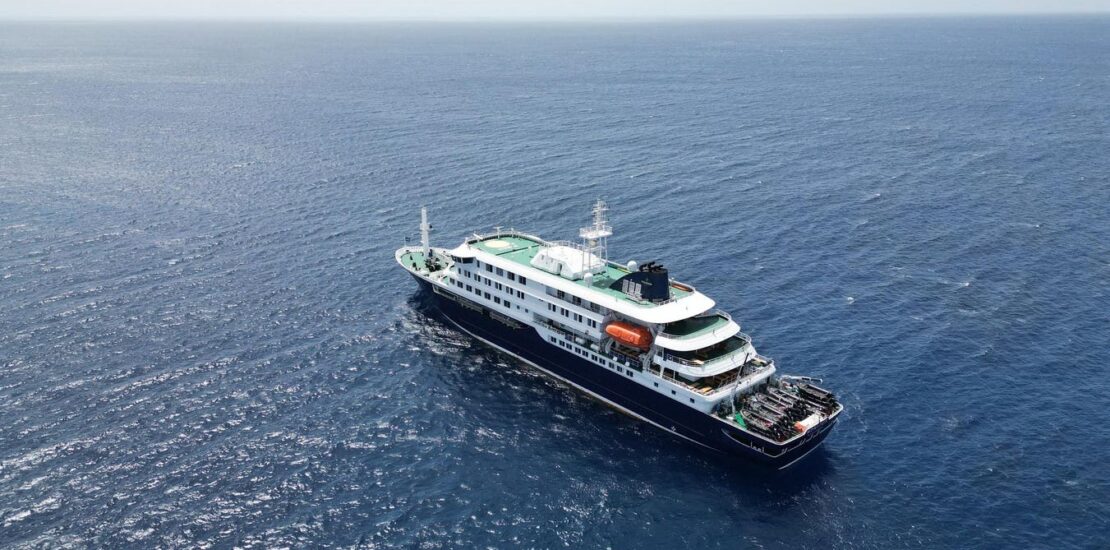
Recently, health officials discovered that the MV Hondius cruise ship has been linked to multiple cases of hantavirus. This strain is concerning because it is among the deadliest variations and can be transmitted from person to person. The outbreak began when a Dutch passenger died aboard the ship, which was on a voyage that started in Ushuaia, Argentina. According to health experts, a total of five lab-confirmed cases have been reported, with additional suspected cases among the passengers.
After disembarking, many of the 29 passengers from various countries returned home, potentially spreading the virus without knowing it. Health officials are monitoring individuals from places like the United States, Canada, and several European countries for any signs of illness. As of now, those being tracked show no symptoms, but the situation remains fluid.
Concerns Over Public Health Preparedness
Dr. Jeanne Marrazzo, CEO of the Infectious Diseases Society of America, has voiced her worries regarding America’s lack of preparedness. Cuts to health organizations during previous administrations and the withdrawal from the World Health Organization have left gaps in the national response framework. Dr. Tedros Ghebreyesus, director of the WHO, has stated that while most passengers and crew currently show no symptoms, it is possible that more cases will emerge due to the virus’s incubation period, which can last up to six weeks.
Despite the concerns surrounding hantavirus, health officials stress that the overall public health risk remains low. Education on the disease’s transmission may help reduce panic while keeping communities informed and ready. Some experts indicate that increased awareness and adequate preventive measures can significantly lower the chances of widespread exposure.
A Global Response to a Local Issue
An international team of scientists is now working on developing a vaccine for hantavirus. This effort reflects the collaboration necessary in the face of travel and global health risks. Passengers from numerous countries, including 17 Americans, remain on board the MV Hondius as authorities work to contain the outbreak. They are currently isolated in their cabins, with medical teams on board to monitor their health status.
The journey of the MV Hondius highlights the complexities of modern cruise travel amidst health crises. As ships like these navigate between countries, the flow of information about health risks can often be delayed or insufficient. Passengers have expressed dissatisfaction about not being informed about potential health threats onboard, which raises ethical questions about transparency in the travel industry.
What This Means for You
Should you ever find yourself in a situation needing to understand complex medical consent forms or travel waivers, keep in mind that it’s essential to read the fine print. By using AI legalese decoder, you can easily decode the details and ensure you’re informed about what you’re signing. Staying educated on public health protocols, especially when traveling, can also help you navigate similar situations in the future.
Need to decode legal language? Try the free AI Legalese Decoder — no registration required.

 ****** just grabbed a