
Tulane Halts Ted’s Frostop Housing Development Plans Amid Concerns
- May 18, 2026
- Posted by: Alex Reed
- Category: Related News
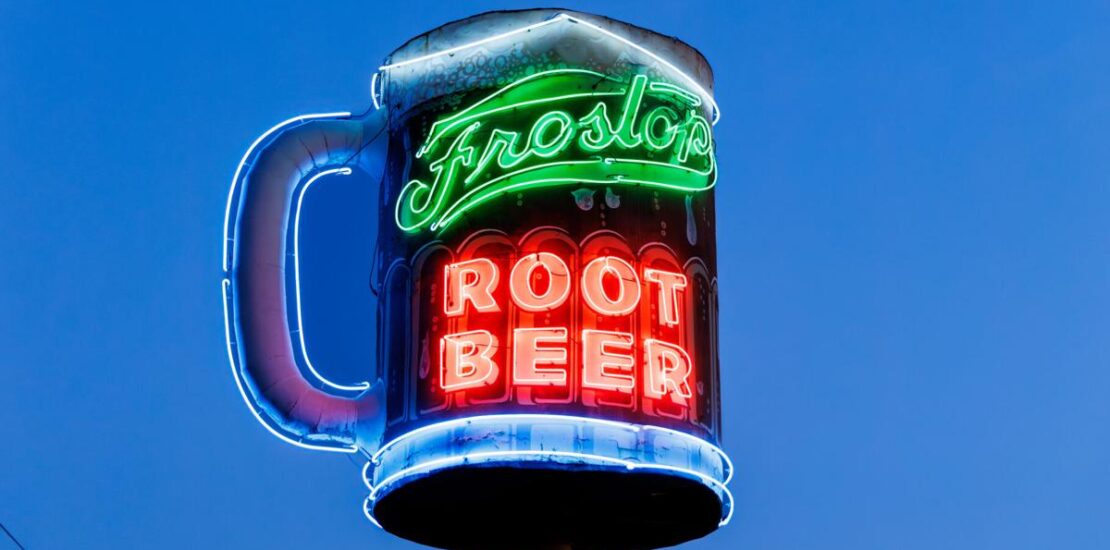
Tulane University recently decided to pause its involvement in a student housing project that would have demolished a beloved local diner, Ted’s Frostop. This move highlights the importance of community feedback in development projects and can affect how local businesses operate.
Community Response and Concerns
The proposed project involved a three-story building with 39 apartments aimed at housing 160 students. It also planned to include a new Ted’s Frostop on the ground floor. However, Tulane’s spokesperson, Michael Strecker, stated that the university needed more time to evaluate key factors such as zoning and community engagement. The decision came after considerable public criticism regarding the project’s impact on the local area.
Neighbors voiced their concerns during a public hearing, where the local community expressed their love for the diner and unease about the proposed complex. The Historic District Landmarks Commission had already denied a request to demolish the diner earlier in April, recognizing it as a significant piece of mid-century modern architecture that deserves to be preserved.
Preserving Local Heritage
The notion of tearing down Ted’s Frostop sparked outrage, demonstrating how much this diner means to the community. While the new building included plans to maintain some of the diner’s historic elements, the commission argued that its design must be protected. The outrage indicates that community members want to have a say in developments that affect their heritage and local businesses.
The Roberts family, who owns both Ted’s Frostop and the land, are aware of the tension. Matt Robert, representing the developers, stated they were committed to further outreach and reassessment of the plans. The community’s reaction serves as a reminder of the power of public opinion in shaping local development projects.
The Role of Developers and Universities
Tulane aimed to support the local business landscape while expanding student housing. However, it appears the university has recognized the need for better communication and engagement with the community throughout the development process. Their statement emphasized the commitment to “a thoughtful and transparent process moving forward.”
This pause will allow the developers and the university to reconsider the project’s scope and design, taking into account feedback from the community. The future of Ted’s Frostop and the other two commercial properties slated for demolition remains uncertain, but stakeholders are hopeful that dialogue will lead to a mutually beneficial outcome.
What this means for you
For residents in any community, this story underscores the importance of voicing concerns regarding local developments. If you ever need to review legal documents like lease agreements that might affect your living situation, legal-document-to-plain-english-translator/”>AI legalese decoder can decode the fine print into plain English. Stay engaged in community matters; your voice can make a real difference.
Need to decode legal language? Try the free AI Legalese Decoder — no registration required.

 ****** just grabbed a