
Trump’s Role in Stock Market Openings: What It Means for Investors
- July 6, 2026
- Posted by: Alex Reed
- Category: Related News
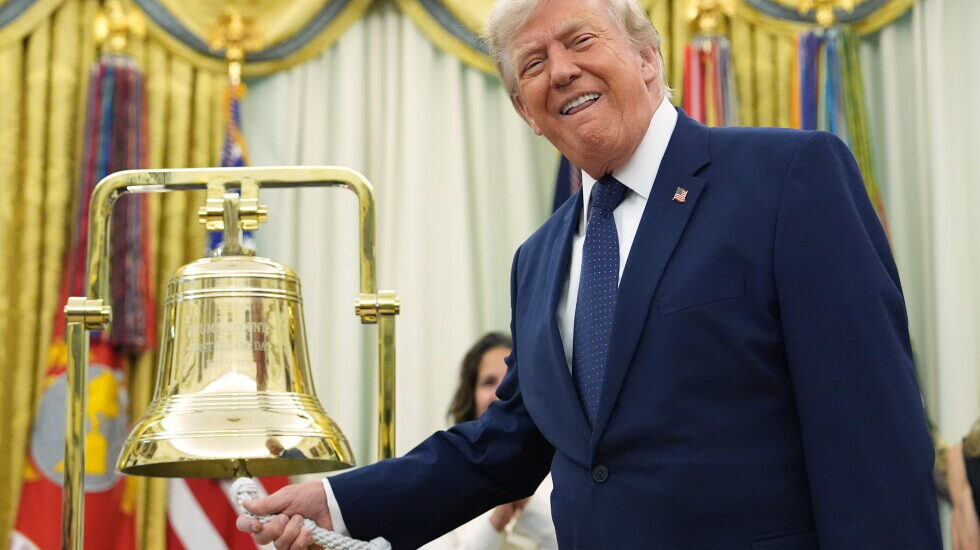
President Donald Trump’s recent actions highlight a growing connection between politics and the stock market, demonstrating how economic performance can sway public opinion. This matters because many Americans’ financial well-being is tied directly to stock market trends, impacting their retirement savings and investment opportunities.
A Presidential Focus on the Stock Market
On a busy Monday in Washington, President Trump marked a notable event by ringing the opening bells for both the New York Stock Exchange and Nasdaq from the Oval Office. This symbolic gesture showcases Trump’s focus on the stock market, particularly as he prepares for the upcoming November midterm elections. With rising inflation reducing his approval ratings, Trump aims to steer attention back to financial markets, where he believes his policies have fostered growth.
In Trump’s view, stock investments are vital for Americans’ financial futures. He expressed optimism that the market would continue to soar, saying, “It’s going to go up — I think the market’s going to go through the roof.” Despite his enthusiasm, only one-third of U.S. adults approve of his economic leadership, according to a recent survey.
Introducing Trump Accounts
A core part of the Oval Office event was the promotion of “Trump Accounts,” designed to allow children to invest in stock indexes. This initiative is part of a broader Republican plan involving tax and spending cuts projected for 2025. Treasury Secretary Scott Bessent highlighted a critical issue: many Americans currently lack direct exposure to stock markets. He stressed that a significant number of families are missing out on the potential benefits of stock investments that tend to favor wealthier households.
According to Bessent, about 38% of American families do not have any exposure to equity markets. This financial divide means that while some households enjoy gains from stock investments, others remain on the sidelines, often relying on long-term retirement accounts.
The Challenge of Inflation
While promoting stock investments, Trump faces a significant challenge: inflation. Rising prices have become a concern for many Americans, impacting their everyday lives. The Consumer Price Index reflects a 4.2% increase over the past year, a jump from 3% when Trump entered his second term in January 2025. Just as inflation dented public support for President Biden, it poses a similar risk for Trump.
Despite winning the previous election on promises to lower costs, Trump now grapples with the repercussions of tariffs and geopolitical tensions—such as the war in Iran—that have further fueled inflation. As the window of opportunity for economic recovery narrows, Trump hopes that fostering investments through government-backed accounts will instill a sense of ownership in the economy among younger generations.
Looking Toward the Future
In closing remarks, Trump acknowledged delays in the rollout of Trump Accounts, admitting, “We should have acted faster.” His humor hints at the urgency behind the initiative to ensure children benefit from rising stock market values. The long-term impact of these accounts on future generations remains uncertain, but Trump is betting on enhanced market engagement to help lift American families and recover his administration’s reputation in economic matters.
What this means for you
This story underscores the importance of understanding how economic policies can affect everyday life, especially your savings and investments. If you ever need to review investment-related documents, AI legalese decoder can translate them into plain English in seconds. Staying informed about economic shifts and government initiatives can empower you to make better financial decisions.
Need to decode legal language? Try the free AI Legalese Decoder — no registration required.

 ****** just grabbed a