
Trump to Address Iran and Ukraine Conflicts at G7 in France
- June 15, 2026
- Posted by: Alex Reed
- Category: Related News
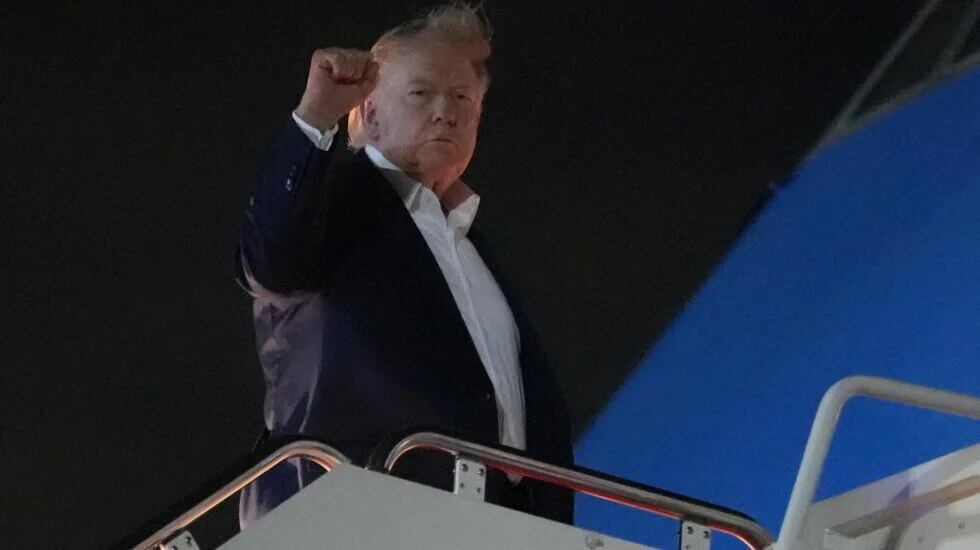
President Donald Trump’s recent announcement about an agreement to end the U.S. war with Iran could have far-reaching effects on global politics and the economy. This news is significant not just for political insiders, but for everyday people who may feel the ripple effects in their daily lives, especially when it comes to energy prices.
Shifting Global Dynamics
Trump is heading to the Group of Seven (G7) summit in the French Alps after declaring that the agreement will lead to the end of the U.S. blockade of the Strait of Hormuz. This strait is a crucial passage for global oil, and about 20% of the world’s crude oil could flow freely again if the deal is implemented. Trump’s remarks, “Let the oil flow!” serve to highlight the significance of this agreement for international trade and energy prices, which affect everyone’s wallet.
While the specifics of the agreement remain unclear, Iranian officials have cautioned that the closure of the strait will persist until the deal is finalized. This uncertainty adds layers of complexity to the already tense relationships between countries involved, particularly with Israel and Iran-backed Hezbollah skirmishing in Lebanon.
By arriving at the summit with this agreement in hand, Trump hopes to change the tone of discussions with European leaders who have been critical of his methods regarding the conflict. The summit is expected to focus heavily on issues surrounding Iran, regional stability, and the implications of this new agreement.
Support and Criticism
European leaders, including French President Emmanuel Macron, have welcomed the agreement, viewing it as an opportunity to restore stability in the region. Macron has even invited leaders from Egypt, Qatar, and the UAE to discuss the implications of the deal. The collaborative effort aims to reassess security in the Middle East and ensure that access to the Strait of Hormuz resumes as quickly as possible.
However, not everyone shares this optimism. Both Trump’s critics and support from within the U.S. government show skepticism about whether the agreement sufficiently addresses longstanding concerns over Iran’s nuclear program. Questions remain about compliance verification and managing the economic incentives involved, echoing criticisms of the previous nuclear deal established by the Obama administration.
These worries come amidst a backdrop of rising energy prices, which have been a concern among American voters. The implications for the upcoming midterm elections may weigh heavily on the minds of many politicians who are already anxious about public discontent with rising costs.
Negotiations Ahead
Following the announcement, the Pakistani Prime Minister, who has acted as a mediator, indicated that there would be “pre-implementation discussions” to prepare for a series of technical talks scheduled over the next two months. These talks will focus on Iran’s nuclear agenda and are crucial for determining the specifics of how the agreement will be actualized.
Trump’s critics argue that the lack of international cooperation poses a significant risk. With a smaller coalition backing this agreement compared to the previous nuclear deal, doubts linger about effective oversight and compliance. The contrasting ideologies presented by Trump and some of his allies only further complicate the road ahead.
While some Republicans express cautious optimism, there is a clear undercurrent of apprehension about how this new deal will affect U.S. global standing and security in the Middle East.
Global Engagement and Future Steps
As Trump prepares for his meetings with world leaders, he is also engaging in discussions regarding the ongoing conflict in Ukraine. Conversations with both Ukrainian President Volodymyr Zelenskyy and Russian President Vladimir Putin are set to define upcoming strategies. These calls are expected to focus on de-escalation efforts and ways to stop hostilities.
The interplay of these international negotiations demonstrates the interconnected nature of today’s global landscape. Each country grapples with the consequences of the deal and prepares for the myriad implications of energy security, economic stability, and humanitarian issues.
What this means for you
This agreement may affect global energy prices, which can influence your everyday costs. If you ever need to review contracts related to energy agreements or offers, legal-document-to-plain-english-translator/”>AI legalese decoder can translate them into plain English in seconds. Understanding the implications of international agreements, like the one concerning Iran, shows how global actions can impact your daily economy.
Need to decode legal language? Try the free AI Legalese Decoder — no registration required.
Source: https://apnews.com/article/trump-g7-france-iran-ukraine-992fb57188610d04660fb342c53e639e

 ****** just grabbed a