
Trump Signals Deal Progress as Airstrike Threats Fade Amid Iran-US Tensions
- June 11, 2026
- Posted by: Alex Reed
- Category: Related News
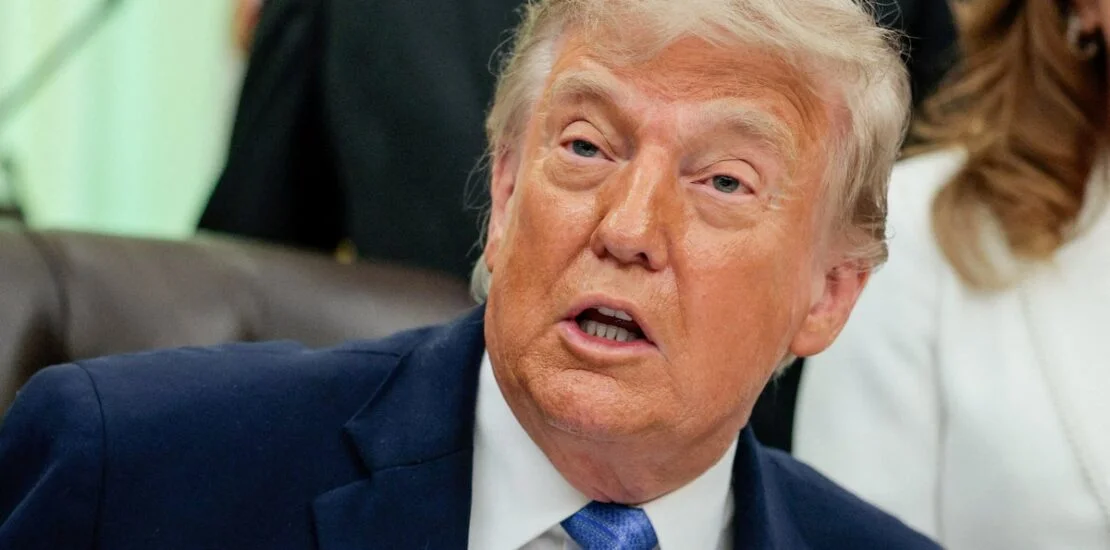
US military actions and negotiations with Iran are capturing headlines, sparking concern over safety and international relations. While governments and analysts grapple with these developments, their effects ripple down to everyday lives, especially for those worried about rising tensions and their implications.
Recent Military Engagements
The United States military recently shot down two Iranian drones that were reportedly aiming to target commercial ships in the strategic Strait of Hormuz. According to a US official, this incident illustrates a continuing series of confrontations between Iran and the US. Despite these provocations, shipping traffic through the strait reportedly remains unaffected, which is vital for global oil transport and security.
Tensions have simmered, and many are asking what these military actions mean for broader peace in the region. As both governments leverage military threats and diplomatic maneuvers, the situation has turned into a delicate balancing act fraught with risks. Analysts note that while direct confrontation is averted for now, the potential for future conflicts is ever-present.
Mixed Signals on Peace Negotiations
President Donald Trump recently hinted that a peace deal with Iran might be finalized soon, potentially as early as this weekend. However, market traders express skepticism about this claim, with a low likelihood assigned to an immediate agreement. This reflects a broader concern over whether forced diplomacy, coupled with military actions, can achieve lasting peace.
Trump’s assertions about reaching a “great deal” with Iran sit uncomfortably alongside the reality of ongoing military engagement. Experts caution that while negotiations can appear to move forward, the underlying tensions and previous grievances remain unresolved. The complexities of international relations in this context leave many citizens anxious about the strategies deployed in negotiations.
The Risk of Escalation
The recent incidents represent a shift into perhaps a new phase of tension described by experts as a “new normal.” This phase is marked by strategic strikes and politically motivated rhetoric without full-scale warfare. Analysts describe this as a necessary, albeit precarious, approach where each side seeks to gain negotiation leverage while avoiding all-out war.
In this backdrop of limited conflict, the potential for miscalculation exists. Mistakes could quickly escalate tensions, leading to broader military actions. Accusations have already been exchanged, including claims of US attacks on Iranian vessels. Reactions from Iranian officials underscore the fraught environment and underline the global implications of any escalation in hostilities, affecting peace and stability worldwide.
What this means for you
For ordinary people, understanding the ebb and flow of US-Iran relations can provide insight into how international policies affect daily life, from gas prices to security measures. If you ever need to review contracts related to employment or business agreements, legal-document-to-plain-english-translator/”>AI legalese decoder can help decode the fine print into plain English effortlessly. This ensures you are informed and prepared for decisions that could affect your financial and legal well-being.
Need to decode legal language? Try the free AI Legalese Decoder — no registration required.

 ****** just grabbed a