
Trump Links Presidency to Stock Market Gains at Wall Street Bell Opening
- July 6, 2026
- Posted by: Alex Reed
- Category: Related News
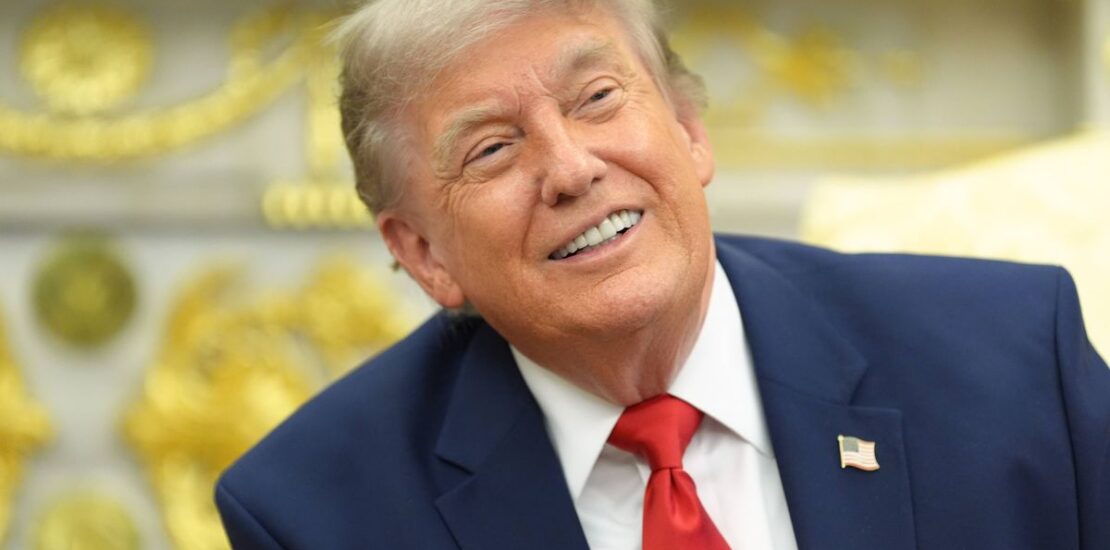
President Donald Trump’s upcoming participation in ringing the opening bells of the New York Stock Exchange and Nasdaq from the Oval Office is more than just a ceremony. It highlights how closely intertwined his presidency has become with the stock market, particularly as the November midterm elections approach.
H2: A Focus on the Stock Market
As inflation becomes a rising concern, Trump has shifted his messaging to highlight the importance of stock market performance. He’s urging Americans to pay attention to their 401(k) accounts, asserting that his administration deserves credit for the market’s performance. Speaking to reporters, Trump stated, “It’s all going well — the stock market is setting records virtually every day. Thank you, President Trump.” However, popular support for his economic leadership is waning, with only 33% of U.S. adults approving of his handling of economic matters, as per a June survey.
Ringing the opening bell may be symbolic, but it also reflects a strategic move to steer public attention back to the stock market, which Trump believes will resonate positively with voters. The event aims to promote “Trump Accounts,” which are designed to allow children to invest in stock indexes. Treasury Secretary Scott Bessent argues that many Americans, particularly those from lower-income backgrounds, do not currently have direct stock exposure and would benefit from such initiatives.
H2: Investing for the Future
The introduction of Trump Accounts is an attempt to increase investment participation among Americans. Statistics show that 38% of adults do not own stocks, meaning many are missing out on potential financial growth. The philosophy behind these accounts is that, over time, they can minimize this percentage to zero.
While the S&P 500 has performed well recently, with gains in previous years, economic conditions are still a pressing issue for many voters. Inflation affects household budgets and, as prices rise, public support for the current administration, regardless of party, tends to fluctuate. Alongside his focus on financial markets, Trump’s past tariffs and other decisions have also faced scrutiny for contributing to inflationary pressures.
H2: Connecting Investments and Public Sentiment
Despite the positive picture painted by the rising stock indices, public sentiment around both Trump’s presidency and the economy can be precarious. Inflation has not only affected Biden’s approval ratings but also Trump’s popularity as he approaches the midterms. The consumer price index, which measures inflation, has increased by 4.2% over the past year, putting pressure on households.
Though Trump won his re-election by promising economic change, the current state of rising prices is complicating the narrative. While the stock market can serve as a barometer of economic health, it doesn’t tell the full story for everyday Americans, many of whom are contending with higher costs of living and lower wages.
H2: What this means for you
For regular Americans, understanding the connection between political messaging and the economy is essential. This story serves as a reminder that government actions can significantly affect financial opportunities. If you ever need to review investment-related documents, like an account agreement, legal-document-to-plain-english-translator/”>AI legalese decoder can translate it into plain English in seconds. This provides clarity on your financial commitments and helps you make informed decisions as the political landscape shifts.
Need to decode legal language? Try the free AI Legalese Decoder — no registration required.

 ****** just grabbed a