
Trump Grants Pardons to 11 Individuals, Notable Business Ties Included
- July 3, 2026
- Posted by: Alex Reed
- Category: Related News
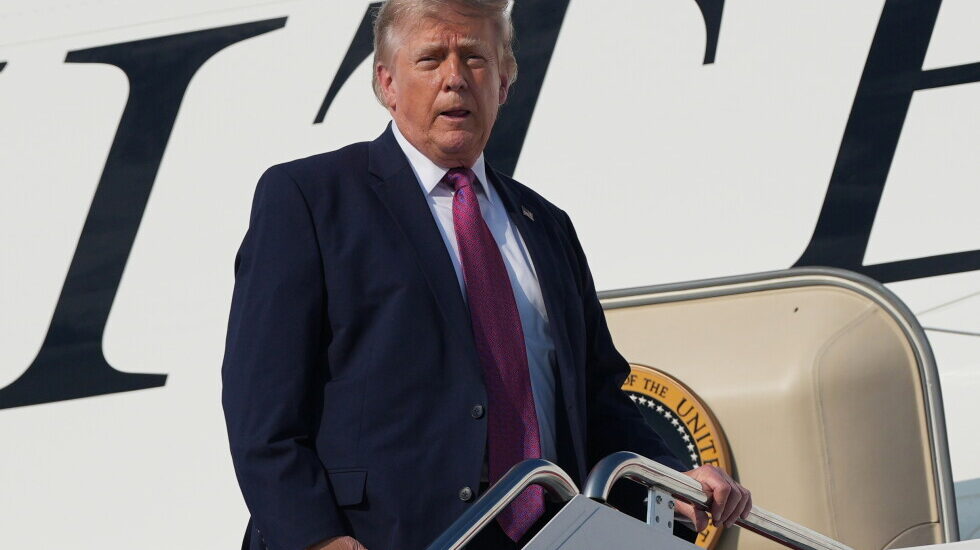
President Donald Trump has granted pardons to 11 individuals, including people connected to emissions violations and a former business partner involved in a high-profile corruption case. This action highlights how the power of presidential pardons can impact everyday life, particularly regarding environmental regulations and public opinion on accountability.
h2>Understanding the Context of the Pardons
Pardons are a powerful tool used by the President to forgive or lessen punishments for individuals convicted of crimes. In this instance, Trump’s latest round of pardons primarily focuses on people linked to the Clean Air Act, which regulates air emissions in the automotive industry. The recipients faced charges for disabling emissions monitoring systems in vehicles, prompting debates about environmental responsibility and consumer rights.
In a post on his social media platform, Trump claimed he was “setting them all free” and addressing what he views as unnecessary regulatory burdens placed on vehicle owners. This suggests a shift towards favoring consumer autonomy over strict adherence to environmental laws.
The impact of these pardons goes beyond the immediate release of individuals. They also signal a potential change in how the government may interact with industries that have faced scrutiny for emissions practices.
h2>The Specific Cases and Their Implications
Among those pardoned are nine individuals who dealt with emissions control systems. These individuals were reportedly involved in actions that allowed cars to bypass emissions tests, a move that could harm air quality. The White House described the decision as a way to relieve consumers from regulatory constraints, a viewpoint that resonates with those who prefer more freedom in managing their vehicles.
In addition, Trump pardoned Adam Kidan, a businessman who had previously pleaded guilty to fraud connected to the gambling industry. Kidan’s case highlights the broader themes of political connections and the idea of reform after serving time. After his release, Kidan reinvented himself in the workforce, running a staffing agency, which speaks to the idea of second chances.
There was also a pardon for ranch owner Jack Harvard, recognized for his support of military training efforts. This particular case reflects how acts of clemency can be influenced by an individual’s community contributions post-conviction.
h2>The Role of Executive Power
Trump’s use of executive power through pardons has become a hallmark of his presidency, especially during his second term. This trend raises questions about the limits of presidential authority and to what extent it can be used for personal, political, or ideological purposes.
The decision to pardon these individuals could be viewed as aligning with a broader political agenda aimed at reshaping regulatory frameworks. It points to a government approach that prioritizes personal freedom and business interests over environmental protections, potentially changing how laws are enforced in the future.
h2>Broader Public Reactions and Considerations
Public response to these pardons has been mixed. Supporters see it as a move toward individual rights and deregulation, while critics argue it undermines environmental protections and accountability. The differing opinions reflect ongoing debates surrounding government intervention and corporate responsibility.
These actions illustrate how executive decisions can have real-world ramifications. As the conversation around emissions and environmental laws continues, the pardons may contribute to a larger dialogue about the balance between economic interests and public health.
h2>What this means for you
The recent pardons highlight how high-level decisions can influence everyday issues like air quality and vehicle regulations. If you ever need to review documents related to vehicle agreements or emissions regulations, legal-document-to-plain-english-translator/”>AI legalese decoder can help you decode the fine print quickly. Understanding these policies can empower you as a consumer and citizen, allowing for more informed choices.
Need to decode legal language? Try the free AI Legalese Decoder — no registration required.

 ****** just grabbed a