
Trump Administration Explores Possible Stake in OpenAI
- June 5, 2026
- Posted by: Alex Reed
- Category: Related News
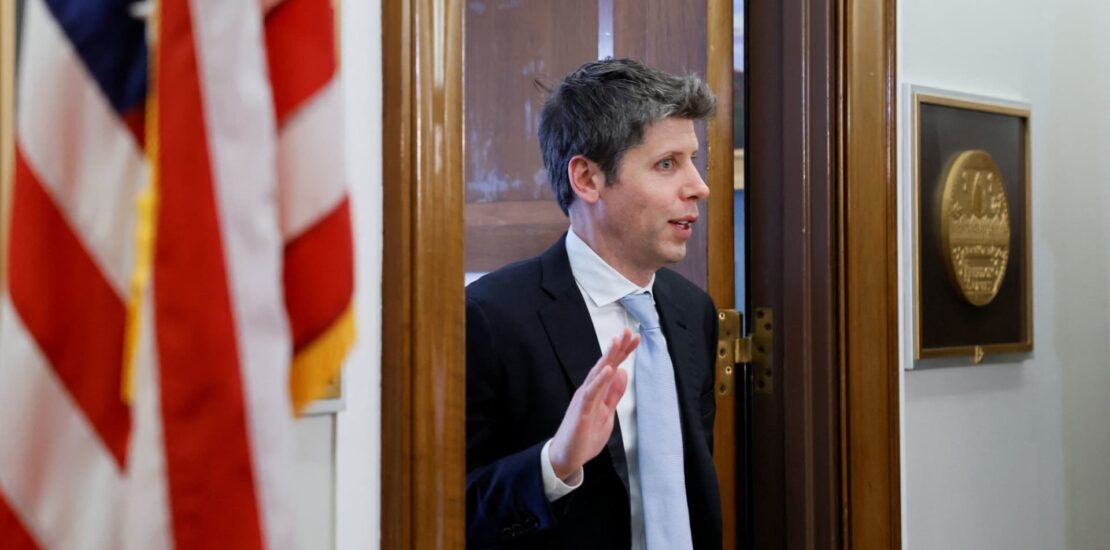
OpenAI’s potential partnership with the U.S. government has significant implications for everyday people. As discussions progress about financial stakes in AI, this move may affect how we manage and invest in technology that increasingly shapes our lives.
Government Talks with OpenAI
Talks between OpenAI’s CEO, Sam Altman, and the White House have gained attention. For more than a year, they have discussed a possible government stake in the AI company. The idea was first introduced to the Trump administration back in 2025. Recently, Altman met with various lawmakers in Washington, D.C., focusing on regulations and updates in artificial intelligence.
In this possible agreement, OpenAI might offer equity to the U.S. government. This donation could help create something similar to a “Public Wealth Fund,” which OpenAI mentioned in their April policy proposal. The goal is to invest in diversified, long-term assets and allow citizens to share in the profits from AI’s growth. However, no official terms of investment have been finalized, and discussions are still ongoing.
Impact of AI on the Economy
This partnership could significantly influence the economy. If successful, the Public Wealth Fund might enable American citizens to benefit directly from advances in AI technology. The idea is that as AI grows, the returns could provide additional income for the public.
On Air Force One, former President Trump discussed the potential of making the American public a partner in this venture. He expressed optimism about engaging with AI companies soon, signaling a commitment to shaping the future of technology and its economic benefits.
Regulatory Developments
The discussions around OpenAI are part of a broader regulatory framework for artificial intelligence. Trump signed an executive order asking AI companies to voluntarily provide the government access to their models for 30 days before they are released. While this order lacks specific details, it aims to ensure that AI technologies are safe and reliable.
Altman supported this executive order, emphasizing the need for the U.S. to remain a leader in AI development. He stressed that developing safe AI models is crucial for national security. The cooperation between the government and tech companies like OpenAI may foster a safer and more regulated AI landscape.
OpenAI’s Valuation and Future Plans
OpenAI’s valuation has skyrocketed to over $850 billion, largely fueled by private investments. The company plans to go public soon, following a record funding round earlier this year. As they look ahead, the stakes are higher than ever.
The conversation around a sovereign wealth fund illustrates the growing importance of AI. It reflects a desire for more oversight and public involvement in technology that is set to play a major role in our daily lives. OpenAI has become a central figure in shaping future policies in this emerging field.
What this means for you
For everyday people, the discussions about OpenAI and government involvement could translate into new economic opportunities. As AI continues to expand, it may influence job markets and technological accessibility. If you ever need to review financial documents related to investments or government benefits, legal-document-to-plain-english-translator/”>AI legalese decoder can decode the fine print to help you understand your rights and options.
Need to decode legal language? Try the free AI Legalese Decoder — no registration required.
Source: https://www.cnbc.com/2026/06/05/trump-open-ai-altman-stake.html

 ****** just grabbed a