
Titanic Survivor’s Lifejacket Sells at Auction for Over $900,000
- April 20, 2026
- Posted by: Alex Reed
- Category: Related News
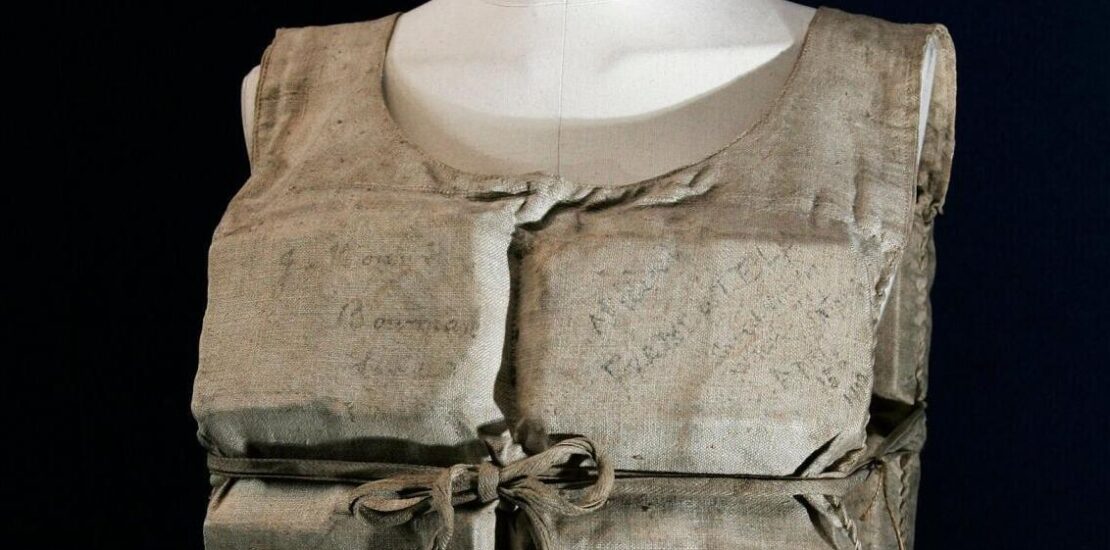
A piece of Titanic history has recently changed hands for a staggering price at auction. A lifejacket worn by a survivor as she escaped the sinking ship sold for an impressive £670,000 (about $906,000). This story reveals not only the enduring fascination with the Titanic but also how history can carry tremendous monetary value.
Historical Significance of the Lifejacket
The lifejacket belonged to Laura Mabel Francatelli, a first-class passenger who boarded the RMS Titanic. Signed by Francatelli and other survivors, this flotation device symbolizes the dramatic events of that tragic night in April 1912 when the ship hit an iceberg and sank. About 1,500 of the 2,200 people on board perished, making the Titanic tragedy one of the deadliest maritime disasters in history.
The auction, held by Henry Aldridge & Son in Devizes, England, featured multiple Titanic-related items, but the lifejacket was undoubtedly the highlight. It exceeded its pre-sale estimate range of £250,000 to £350,000, which reflects not only its historical significance but also the high demand for Titanic memorabilia.
More Titanic Treasures at Auction
Alongside the lifejacket, a seat cushion from one of the Titanic’s lifeboats was sold for £390,000 (about $527,000). Both items illustrate the value that collectors place on artifacts from this tragic event. The total sales from the auction highlight the ongoing public interest in Titanic memorabilia, showing a deep respect for the legacy of those who were on that ill-fated voyage.
Auctioneer Andrew Aldridge commented on the results, stating that the prices show a "continuing interest in the Titanic story" and the respect for the passengers and crew whose histories are encapsulated in these artifacts. The Titanic has captivated storytellers and historians alike, making it a timeless topic.
The Titanic’s Ill-fated Voyage
Billed as "practically unsinkable," the Titanic sank during its maiden voyage from England to New York after colliding with an iceberg. The ship went down on April 15, 1912, in just a matter of hours. The tragedy serves as a stark reminder of the dangers that can lurk even in the most advanced technologies of any era.
Francatelli survived in lifeboat No. 1, which, despite having a capacity for 40, only carried 12 people. Questions around the lifeboat’s failure to rescue more survivors continue to provoke discussion and debate today. This story highlights issues of class, privilege, and moral responsibility during times of crisis.
Record Auction Prices
While the lifejacket fetched an impressive sum, it is not the highest price ever paid for Titanic memorabilia. That record belongs to a gold pocket watch associated with the captain of the RMS Carpathia, the vessel that rescued many Titanic survivors, which sold for approximately £1.56 million (around $2 million) in 2024.
The continuing allure of Titanic artifacts ensures that their auction prices will remain high. Items from the Titanic serve not just as collectibles; they are tangible links to a significant moment in maritime history.
What this means for you
The recent auction of Titanic memorabilia underscores the cultural and historical value of artifacts. If you ever need to review warranty documents or other legal papers, legal-document-to-plain-english-translator/”>AI legalese decoder can translate it into plain English in seconds.
Need to decode legal language? Try the free AI Legalese Decoder — no registration required.

 ****** just grabbed a