
Thanedar omits crypto assets in recent campaign finance disclosure
- April 24, 2026
- Posted by: Alex Reed
- Category: Related News
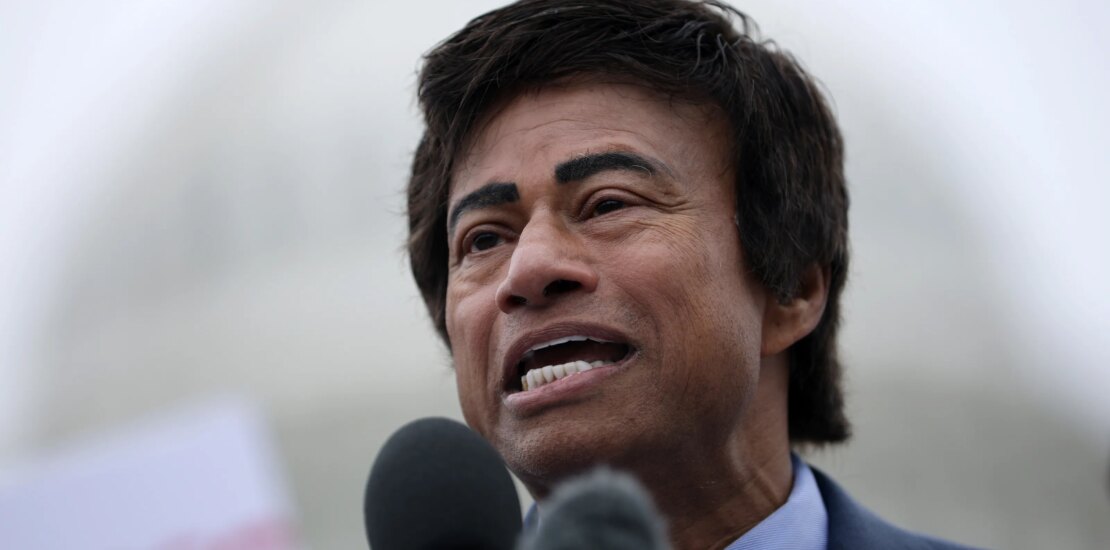
U.S. Rep. Shri Thanedar’s recent campaign finance oversight raises important questions about transparency in politics. For regular voters, such issues can impact trust in elected officials and their financial dealings.
Understanding the Campaign Finance Report Issue
In April 2026, it was reported that U.S. Representative Shri Thanedar did not submit a complete campaign finance report. This report is crucial as it includes details about the financial activities of his congressional campaign, particularly his investments in cryptocurrencies. These investments can significantly affect the nature of his campaign funding and potential conflicts of interest.
Campaign finance reports are mandatory for candidates. They help ensure transparency in political funding and spending. Voters can see where a candidate gets their money and how they use it. Missing information can lead to mistrust among constituents and raise eyebrows about a candidate’s financial integrity.
What Happened with Thanedar’s Filing?
Rep. Thanedar, a two-term congressman from Michigan, acknowledged the oversight when approached by media outlets. He stated that he would file an amendment to correct the incomplete report, which was originally due on April 15. However, over a week has passed since his assurance, and the amended report has not yet been filed.
Such delays can create concerns. Campaign finance regulations have strict deadlines for reporting to prevent any misuse of funds. An incomplete or late filing can lead to penalties and could also trigger investigations. The repercussions of these actions could not only impact Thanedar’s political career but also disrupt the public’s trust in governmental processes.
The Role of Transparency in Politics
Transparency in political fundraising is vital for democracy. It allows voters to hold their elected officials accountable. When candidates fail to disclose accurate information, it can lead to suspicion regarding their motives and ethics. Each report serves as a check against corruption and mismanagement.
Moreover, cryptocurrency investments add another layer of complexity. The crypto market is volatile and often lacks clear regulations. For representatives like Thanedar, who engage in such investments, clear disclosure is essential. Voters need to understand how these investments might affect their decision-making and legislative priorities.
The Wider Implications of Incomplete Reporting
Thanedar’s situation reflects a broader issue that many politicians face when managing campaign finances. Missing filings or incomplete disclosures can result in deeper scrutiny not just for the individual, but also for the political party they represent. If candidates neglect their financial responsibilities, it raises questions about their overall commitment to accountability.
Furthermore, this incident may influence public perception of future political campaigns. Voters tend to favor candidates who are transparent about their financial dealings. In the long run, consistent lapses in reporting can lead to increased public skepticism toward politicians and their parties.
What this means for you
For voters, the consequences of incomplete financial disclosures can lead to a lack of trust in elected officials. It’s important to stay informed about the candidates and their financial backgrounds. If you ever need to review campaign finance reports, legal-document-to-plain-english-translator/”>AI legalese decoder can help decode the fine print quickly. Understanding these documents will empower you as a voter in making informed decisions.
Need to decode legal language? Try the free AI Legalese Decoder — no registration required.

 ****** just grabbed a