
Texas Wine Grapes Take Off for Exciting Space Research Mission
- June 17, 2026
- Posted by: Alex Reed
- Category: Related News
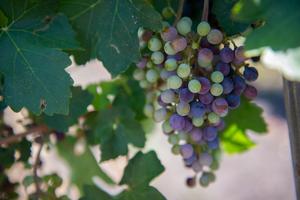
Texas wine grapes are headed into space, and this may not just be an exciting experiment for scientists. It could change the way we think about wine production and agriculture on Earth. Such innovative research could have real-world impacts on future food sustainability.
The Project Launches from a Student Idea
Researchers from Texas A&M AgriLife are taking grape seeds to the International Space Station (ISS) for a unique mission. These seeds will be exposed to cosmic radiation for about six months before returning to Earth for study. The goal is to learn how the extreme conditions of space affect the seeds and potentially produce the first wine made from grapes that have traveled beyond our planet.
The initiative stems from a collaboration between Texas A&M AgriLife Research and the Department of Aerospace Engineering. Two senior students designed this project as a senior capstone proposal. Guided by viticulture specialists, they created a special carrier to protect the seeds during their journey while allowing them to experience the radiation of space.
The importance of this project goes beyond the novelty of space travel. It is part of the Texas A&M/Aegis Aerospace Multi-Use Space Platform (TAMU-SPIRIT), meant to facilitate various research projects in the ISS. This marks a new era for agricultural research, linking space investigation with the future of farming back home.
From Space to Our Vineyards
After the seeds return to Earth, they will be planted alongside control seeds at the AgriLife Research vineyard at Thomas Ranch. Researchers plan to compare their growth and wine grape performance, focusing on how exposure to space radiation has influenced their genetic traits.
One variety being sent into orbit is lomanto, a Texas grape developed over a century ago. Its return symbolizes a full-circle moment for a grape that once played a crucial role in saving the global wine industry. Experts believe that studying these seeds can yield valuable insights into plant genetics and resilience.
This venture aims to understand the precise effects space radiation has on grape seeds, which could lead to better adaptability and disease resistance in future crops. The potential to produce wine from these grapes adds an extraordinary twist to the scientific research.
Exploring Genetic Changes and Benefits
The focus of this initiative is not solely on producing wine; it’s about learning how space radiation affects plant genetics and resilience. Researchers have selected grape varieties with traits suited to survive in Texas’s challenging conditions. These characteristics could extend the knowledge gained from this research both in space and on Earth.
The team plans to analyze the seeds for any radiation-induced mutations when they return. Historically, mutations have been pivotal in the evolution of various grape varieties. For example, pinot gris emerged from a random mutation of pinot noir. The hope is that exposure to cosmic conditions will lead to new insights into grape development.
Collaborating experts from Texas A&M’s Department of Horticultural Sciences aim to uncover how space changes the genetic makeup of these seeds. They are curious to see if any variations could yield a new kind of grape with beneficial traits.
Pushing the Boundaries of Horticulture
The team expects that in four to five years, they will be able to sample their first wine made from these unique grapes. However, the project’s implications reach far beyond simply crafting a new wine. It symbolizes the intersection of space exploration and agriculture, offering lessons in plant breeding and sustainability.
Researchers believe that horticulture in space could play a significant role in future missions. Plants could provide essential food and oxygen, improving the overall well-being of astronauts. This project connects the history of horticulture with the future of sustainable farming on Earth and beyond.
Understanding how these plant varieties adapt to the challenges of space could revolutionize agricultural practices, informing growers and scientists for years to come.
What this means for you
This groundbreaking research into Texas grapes may reshape how we understand agriculture and sustainability in both space and on Earth. If you ever need to review agricultural contracts, AI legalese decoder can translate them into plain English in seconds. As innovation continues, this will be an exciting area to watch for future potential in food production.
Need to decode legal language? Try the free AI Legalese Decoder — no registration required.

 ****** just grabbed a