
Supreme Court’s Warning Fuels Debate on AI Accountability in Law
- July 4, 2026
- Posted by: Alex Reed
- Category: Related News
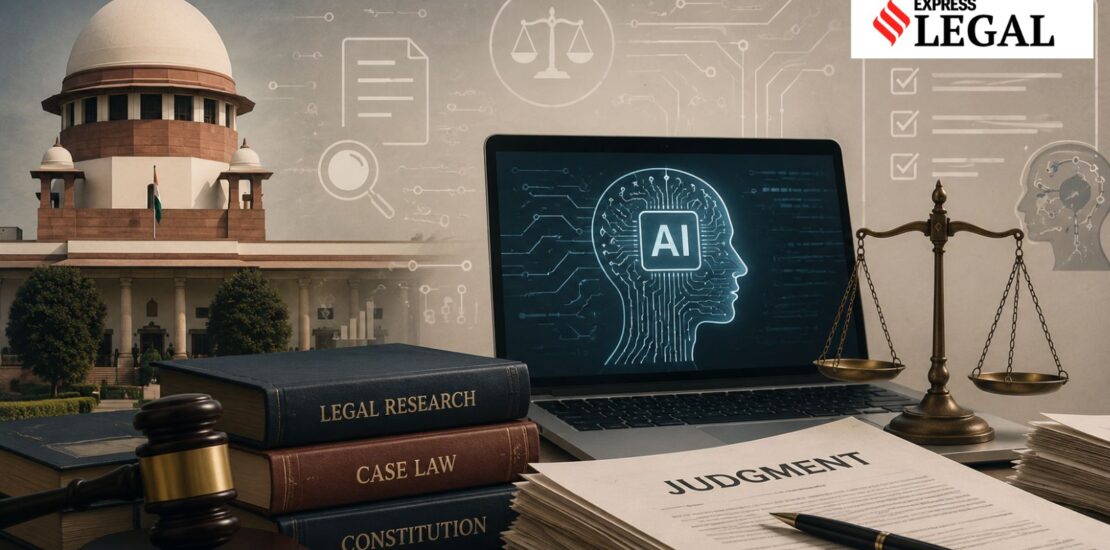
The ongoing debate about using Artificial Intelligence (AI) in the legal field is becoming increasingly relevant for everyone. As AI tools are being adopted by lawyers and courts alike, a recent Supreme Court ruling highlights the potential risks that can arise from relying too heavily on technology in legal proceedings.
AI’s Rising Role in legal Proceedings
AI technology is making waves in the legal profession. It aids in tasks like research, drafting, and administrative work, promising greater efficiency. However, the Supreme Court recently cautioned against the use of AI-generated material in court cases, particularly highlighting instances where courts had relied on fake judgments produced by AI. This ruling emphasizes the need for scrutiny over how AI is utilized in legal contexts, as the integrity of the judicial system hinges on accurate information.
In response, the Supreme Court instructed the Bar Council of India (BCI) to form a committee. This committee will examine the issue of lawyers submitting misleading AI-generated information as valid legal documents. Experts agree that while AI can significantly enhance legal work, it must always be used responsibly and with considerable human oversight.
AI as an Assistive Tool, Not a Replacement
legal experts urge that AI should serve as an assistive tool rather than serve as a substitution for legal professionals. Advocate Arya Tripathy pointed out that using AI without proper human verification risks damaging client rights and professional ethics. Trust is vital in legal matters, and relying solely on AI could erode that trust.
Responsible leadership is required in integrating AI into legal work. The focus should be on using AI as a valuable resource while ensuring that human judgment remains the foundation. This notion aligns with the Supreme Court’s recent judgments, which stress the ethical use of AI in legal processes.
The Challenges of Technology Adoption
Despite the benefits, the legal field faces challenges in embracing technology like AI. Advancements in AI have, at times, led to incorrect citations and unreliable legal positions. For example, in a recent case, a judge cautioned against using AI-generated legal research without independent verification due to the presence of invalid case citations.
Interestingly, some courts are already implementing AI tools. In May, the Allahabad High Court directed local authorities to adopt AI to streamline processes, such as recording witness statements using speech-to-text technology. The Gujarat High Court has also introduced policies to regulate AI usage, allowing it as an administrative aid while mandating human oversight.
Finding the Right Balance
The critical question that remains is how to find the right balance between utilizing AI and ensuring accountability. legal professionals agree that overreliance on AI can shift the focus away from critical legal thinking. This could have severe consequences, especially if non-lawyers depend on AI for legal tasks.
Advocates like Mathuvanthy Mathavan suggest that mandatory disclosures should be established around AI usage in legal submissions. Clear guidelines would help prevent the submission of fabricated or unverified AI-generated documents. Additionally, training sessions on responsible AI use could bolster professionalism in the legal sector.
As the nature of AI continues to evolve, the responsibility ultimately lies with the legal professionals utilizing these technologies. Advocates must ensure the accuracy and validity of the information, even when technology is involved. The dialogue within the legal community is now focusing on how to maintain integrity while accommodating technological advancements.
What this means for you
The growing integration of AI in legal proceedings should encourage individuals to be more vigilant when engaging legal services. Be aware that AI-driven tools can impact the quality and reliability of legal information. If you ever need to review a legal document, AI legalese decoder can translate it into plain English in seconds, ensuring clarity in any legal matter you encounter.
Need to decode legal language? Try the free AI Legalese Decoder — no registration required.
Source: legal-news/who-is-accountable-ai-gets-law-wrong-supreme-court-warning-debate-10769985/” rel=”nofollow noopener”>https://indianexpress.com/article/legal-news/who-is-accountable-ai-gets-law-wrong-supreme-court-warning-debate-10769985/

 ****** just grabbed a