
Supreme Court Ruling May Transform Georgia’s Senate Race Dynamics
- June 30, 2026
- Posted by: Alex Reed
- Category: Related News
A recent ruling by the U.S. Supreme Court could change how elections are funded, affecting the average voter more than you might think. With the decision to allow unlimited spending by political parties, we might soon see a whole new landscape for campaign financing.
Implications of Unlimited Political Spending
On Tuesday, the Supreme Court decided that political parties could spend unlimited amounts of money in coordination with their candidates. This landmark ruling overturned campaign finance limits that had been in place for more than five decades. The 6-3 decision allows national party committees to contribute as much as they wish to their candidates’ campaigns.
Justice Brett Kavanaugh, who wrote the majority opinion, argued that these spending limits infringed on the First Amendment, which protects free speech. According to his view, limiting the financial support political parties can offer their candidates restricts their ability to communicate effectively with voters.
However, not everyone agrees. Justice Elena Kagan voiced concern in her dissent, suggesting the ruling could lead to excessive financial influence over elections. She warned that it might allow political parties to significantly amplify their support for specific candidates, far beyond what individual donors could contribute directly.
Focus on Georgia’s Senate Race
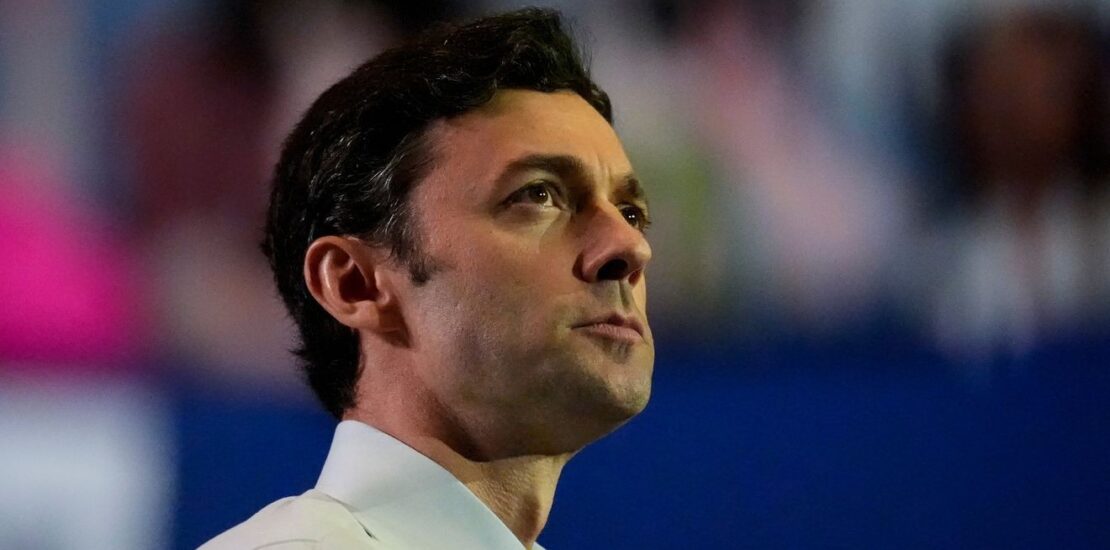
This ruling carries particular weight for Georgia, where Democratic Senator Jon Ossoff is defending his seat against Republican Representative Mike Collins in a high-profile election. Collins earned the Republican nomination by defeating former football coach Derek Dooley, making for a closely watched contest.
Given that Georgia is one of the few Democratic-controlled Senate seats up for grabs in a state that leaned toward Donald Trump in the 2020 election, national party organizations are already heavily invested in this race. The Supreme Court’s decision means that these organizations can now pour unlimited funds into the campaigns, potentially altering the outcome.
As we’ve seen in recent election cycles, competitive races like this one often attract substantial financial backing, and this ruling opens the floodgates further. This situation underscores the reality that the most competitive candidates may now enjoy significant advantages based on their party’s financial strength.
Current Fundraising Landscape
The timing of this ruling could shift the balance even more dramatically. Recent filings from the Federal Election Commission indicate that Republican campaign committees have been outperforming their Democratic rivals regarding fundraising. As of late May, the Republican National Committee reported a substantial $125 million in available cash, compared to the $14.4 million reported by the Democratic National Committee.
This fundraising gap hints at the potential for an unfair advantage in races like Ossoff versus Collins. If the ruling allows additional spending from the Republican Party during the campaign, it could seriously benefit Collins, making it crucial for Democrats to strategize effectively to keep the race competitive.
In a state that has already garnered national attention in past elections, every dollar spent could sway voter opinions. Voter engagement will likely play a crucial role; the more informed voters are about their choices, the better they can resist disproportionate financial influences.
What this means for you
This Supreme Court ruling illustrates how changes in campaign finance can directly impact elections you care about. With more money flowing into campaigns, it becomes vital for you to stay informed about candidates and their positions. If you ever need to review political fundraising documents or campaign financing agreements, legal-document-to-plain-english-translator/”>AI legalese decoder can help translate it into plain English in seconds.
Need to decode legal language? Try the free AI Legalese Decoder — no registration required.

 ****** just grabbed a