
Supreme Court Pesticide Case Sparks Political Action from MAHA Moms
- April 27, 2026
- Posted by: Alex Reed
- Category: Related News
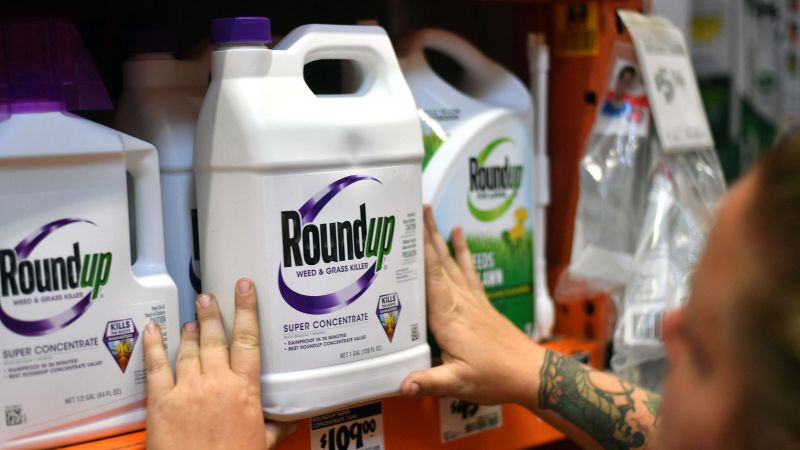
When people think about pesticides, they often don’t realize just how much these chemicals impact their lives. Recent discussions at the White House and an impending Supreme Court case could shape the future of pesticide regulations and, subsequently, public health.
## A Powerful Meeting at the White House
This month, a group of mothers and wellness influencers, including Casey Means, attended a meeting at the White House. They expected to discuss concerns about the health risks associated with common weedkillers, particularly glyphosate, found in products like Roundup. Instead, they engaged in a productive two-hour discussion with top officials, including Secretary of Health and Human Services Robert F. Kennedy Jr. and even the president. Attendees felt the administration was genuinely listening to their concerns.
Alex Clark, a wellness influencer and podcast host, emphasized the importance of these discussions: “They just let us talk — they let us get everything off of our chest.” The mothers, part of the Make America Healthy Again (MAHA) movement, raised urgent issues about glyphosate and its supposed safety. Their concerns echo a growing public sentiment about pesticide use and its health implications.
## The Supreme Court’s Role
On Monday, the U.S. Supreme Court will hear arguments in a major case that could determine the future of glyphosate usage. The lawsuit against Bayer, the maker of Roundup, could allow individuals to sue the company for health issues linked to the herbicide. This case is not just a legal battle; it represents a significant marker for MAHA’s influence in Washington politics.
Bayer faces mounting criticism about the safety of its product, following various lawsuits alleging that it has caused health problems, including cancer. The court’s ruling, expected by June, could pave the way for more litigations against Bayer or confirm the company’s stance that glyphosate is safe.
## Rising Activism and Public Sentiment
Ahead of the Supreme Court proceedings, hundreds of activists are gathering to advocate for stricter pesticide regulations. More than 30 speakers will unify at the rally, including both Republican and Democratic leaders, highlighting the cross-party support for scrutinizing pesticide policies. There’s a palpable urgency among activists, many of whom believe that public momentum against pesticides has reached unprecedented levels.
Notably, DeWayne “Lee” Johnson, a school groundskeeper diagnosed with terminal cancer after years of using Roundup, won a landmark case against Monsanto in 2018. This case brought national attention to the debate about glyphosate. Johnson’s situation serves as a sobering reminder of the potential health risks posed by pesticides.
## Environmental and Political Implications
While the MAHA movement seeks to limit pesticide use for health reasons, they face opposition from agricultural entities that warn against restrictions. Farmers argue that limiting pesticide use could jeopardize crops, leaving them vulnerable to diseases. The political landscape is equally complex. Although Kennedy has committed to reducing glyphosate usage, the Trump administration has pushed for more domestic production and rallied behind Bayer. This tension illustrates a broader struggle regarding public health and agricultural sustainability.
Interestingly, the debate has united unlikely allies across party lines. Voters from both sides of the political spectrum are increasingly concerned about pesticide effects on health and the environment, making glyphosate a significant electoral issue. As the 2024 midterms approach, the public’s response to glyphosate and pesticide regulations may heavily influence voter turnout.
## What this means for you
The ongoing debate over glyphosate impacts your health directly. If you ever need to review terms related to pesticide use or health regulations, legal-document-to-plain-english-translator/”>AI legalese decoder can translate it into plain English in seconds. This will empower you to make informed choices regarding your health and safety. Furthermore, stay informed about the results of Supreme Court decisions, as they could influence pesticide regulations and agricultural practices that impact food safety and availability.
Need to decode legal language? Try the free AI Legalese Decoder — no registration required.
Source: https://www.cnn.com/2026/04/27/politics/roundup-pesticides-maha-supreme-court

 ****** just grabbed a