
Super Typhoon Bavi Delivers Severe Winds to Guam and Pacific Islands
- July 5, 2026
- Posted by: Alex Reed
- Category: Related News
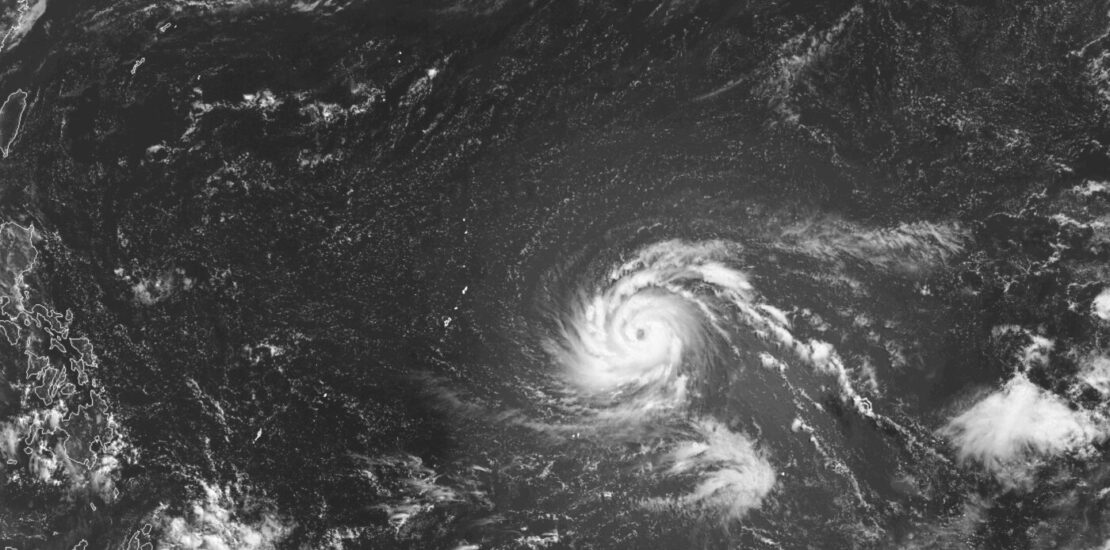
Super Typhoon Bavi is a serious reminder of how natural disasters can affect communities. For residents and families in places like Guam and the Northern Mariana Islands, emergencies like these can be life-changing and catastrophic.
The Impact of Super Typhoon Bavi
Super Typhoon Bavi has recently struck the U.S. territories of Guam and the Northern Mariana Islands, bringing with it incredibly strong winds and heavy rainfall. The National Weather Service (NWS) issued urgent typhoon warnings for various islands, including Guam, Rota, Tinian, and Saipan. As of Monday morning, the eye of the storm was moving over Rota, with estimates of wind speeds exceeding 150 mph.
The situation is deemed life-threatening. The NWS has described the weather conditions across these islands as extremely dangerous. Local meteorologist Landon Aydlett confirmed that severe weather, including torrential rain and strengthening winds, was becoming more intense. He expressed serious concern for the islands, especially Rota, predicting near-catastrophic effects.
Emergency Preparedness Efforts
In anticipation of the storm, Guam’s Governor Lou Leon Guerrero declared a heightened state of emergency. She urged residents to prepare for severe impacts from the typhoon. Emergency shelters have been opened, but they are nearing capacity, particularly for those living in vulnerable areas.
Many local residents are still recovering from Typhoon Sinlaku, which struck the islands earlier in the year. Aydlett pointed out the concerns surrounding communities that live in less sturdy homes. Those who previously endured damage from Sinlaku may find themselves more susceptible to Bavi’s destructive power. People across northern Guam have been warned to stay indoors and avoid unnecessary travel.
Widespread Destruction Expected
As the storm approaches, residents have already reported power outages and flight cancellations. Businesses, schools, and public services are likely to be heavily affected. Local officials are working hard to keep residents informed about the situation, with an emphasis on safety and preparedness.
The NWS has cautioned that flash flooding could also occur, compounding the challenges faced by the islands. Aydlett emphasizes that now is the time for people to hunker down, as conditions are too dangerous to venture outside. “It’s going to be a rough night and a rough day,” he stated, underscoring the urgency of the situation.
Community Support and Future Outlook
In response to Bavi’s threat, local governments have mobilized emergency response teams and opened shelters for those in need. However, concerns remain high, especially as shelters become crowded. Many individuals still await electrical service restoration from previous storms, further complicating their ability to cope with Bavi.
As the storm continues its path, the hope is to achieve zero fatalities. Emergency responders remain on alert, ready to assist once the storm clears. Residents are advised to stay tuned for updates, as conditions and safety recommendations may change.
What this means for you
In times of disaster, understanding local emergency protocols is vital. If you ever need to review emergency preparedness documents or any related agreements, legal-document-to-plain-english-translator/”>AI legalese decoder can help decode the fine print into plain English in seconds. Stay safe and informed to properly handle any emergencies in your area.
Need to decode legal language? Try the free AI Legalese Decoder — no registration required.
Source: https://www.npr.org/2026/07/05/g-s1-132052/guam-pacific-islands-brace-super-typhoon-bavi

 ****** just grabbed a