
Studying Cancer Risks Faced by Wildland Firefighters in the Field
- July 1, 2026
- Posted by: Alex Reed
- Category: Related News
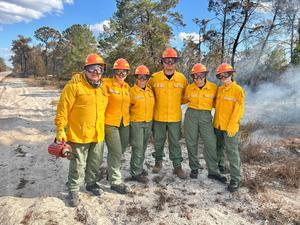
Cancer research is not just confined to labs; sometimes, understanding the risks means getting a hands-on experience in real-life situations. For wildland firefighters, this could lead to better health outcomes and safety practices in an incredibly hazardous profession.
Researchers Go from Lab Coats to Fire Gear
Scientists from the Sylvester Firefighter Cancer Initiative (SFCI) at the University of Miami recently swapped their lab coats for firefighting gear. This unique approach involved participating in wildland firefighter training alongside Florida Forest Service cadets. The goal? To gain practical insights into the challenges these firefighters face daily, such as exposure to smoke, heat, and heavy gear. As Wildland Firefighter Week of Remembrance approaches, this initiative highlights the ongoing dangers associated with this crucial job.
The training is more than just a symbolic gesture; it is integral to the WISER study, which aims to collect environmental and biological samples from wildland firefighters during prescribed burns. This information will shed light on their cancer risks and help formulate strategies to mitigate them.
An Immersive Experience to Drive Research
Dr. Alberto J. Caban-Martinez, co-deputy director of SFCI, emphasized how this hands-on experience will enhance the researchers’ understanding of exposure risks and operational challenges. Traditional lab work often cannot replicate the chaotic and variable conditions firefighters encounter in the field. The insights gained will help the SFCI team design more effective studies focused on real-life conditions that impact firefighter health.
Research specialist Madeleine Sayer noted that the experience would improve their data collection methods, tailoring them to the firefighters’ experiences. Existing studies have already indicated that firefighters face various environmental, physical, and mental health challenges. The WISER study aims to deepen understanding and translate these findings into meaningful prevention strategies.
Challenges Encountered on the Front Lines
During training, the researchers encountered firsthand the complexities of a firefighter’s role. Senior research associate Chelsea Kavanaugh highlighted that the tasks require more than just knowledge of fire suppression tactics. Firefighters must also be well-versed in meteorology, ecology, and equipment operation. The practical challenges quickly became apparent—while many best practices exist, implementing them in the field demands greater time and coordination.
This realization has prompted the research team to reconsider how recommendations can be made more practical for firefighters. The immersion into their world has led to deeper discussions not just among researchers but also with firefighters, opening new lines of inquiry that may have otherwise gone unexplored.
Building a Bridge Between Science and the Fire Service
As SFCI moves forward with the WISER study, researchers will begin collecting environmental samples, including soil, water, and air, alongside biological data from firefighters. This comprehensive data will help create a better understanding of exposure pathways and their connection to cancer risk.
Historically, wildland firefighters have been an understudied group in cancer research. By approaching this issue from both scientific and experiential angles, the Sylvester team aims to close that gap. Their efforts may not only improve health protections for firefighters but also help shape policies that affect other high-risk professions.
What this means for you
Understanding the health risks associated with occupations like firefighting is critical for those in such roles and their families. If you ever need to review a medical consent document related to occupational hazards, legal-document-to-plain-english-translator/”>AI legalese decoder can translate it into plain English in seconds. This ensures that you are fully informed about any risks or requirements you may face.
Need to decode legal language? Try the free AI Legalese Decoder — no registration required.

 ****** just grabbed a