
States Modify Fire Codes to Lower Housing Costs Amid Safety Concerns
- June 23, 2026
- Posted by: Alex Reed
- Category: Related News
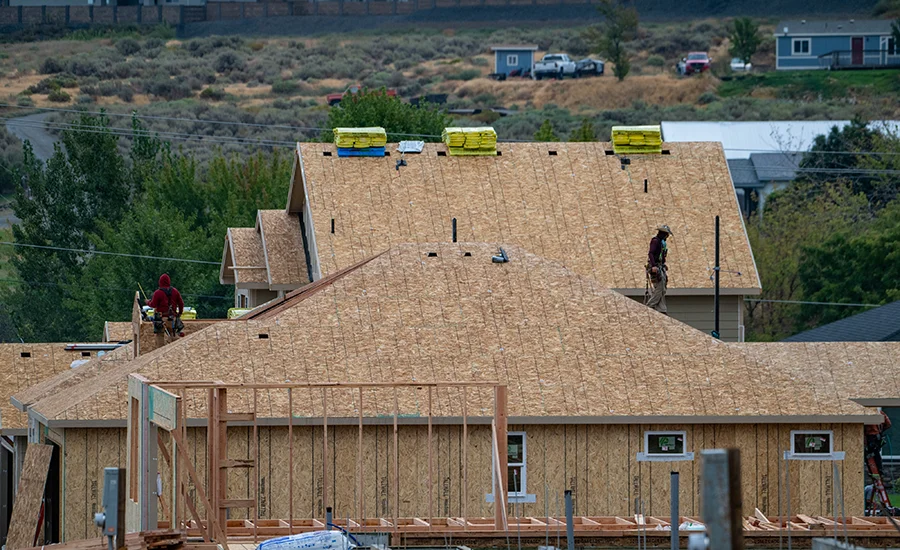
States and cities are changing building codes to make housing cheaper and more available. While these changes might help some people find affordable homes, they also raise concerns about safety in residential buildings.
The Push for Affordable Housing
As housing prices continue to rise, many states are trying to ease regulations to lower construction costs. New laws are being drafted that would allow apartment buildings to have fewer safety features, such as permitting low-rise buildings to have only one stairway instead of the traditional two. These adjustments might make it easier to construct more units, but they bring potential risks, especially in emergencies.
Critics argue that these relaxations in building codes could lead to dangerous situations. For instance, having a single stairway could lead to overcrowding in emergencies and hinder evacuation. The changes are often proposed with added units in mind, but safety experts are concerned about reducing existing protections that help prevent disasters.
Nicolle Aube, a civil engineering consultant, points out the fine line between affordability and safety. Adjusting the codes might help developers but could risk safety for future residents. This balancing act highlights the urgent need for a thorough evaluation of what such changes mean for everyday living.
Legislative Movements and New Approaches
Several states are exploring laws that could permit single-stairway apartments. Approaches vary: some states aim for comprehensive studies, while others propose state-wide changes with local option for implementation. Alex Horowitz from The Pew Charitable Trusts notes that 19 states and Washington, D.C., are working to allow these types of buildings.
Additionally, national developments, like updates from the International Code Council and the bipartisan 21st Century ROAD to Housing Act, are moving forward. These developments could ease restrictions on building designs and change how various residential buildings are constructed. For example, if passed, the new legislation would support single-stairway buildings up to six stories.
A recent Idaho law has already authorized single-stair structure with certain limits, showcasing a trend that is likely to expand throughout the country. Colorado and Texas are also enacting laws that remove traditional stairway requirements for multifamily homes. Advocates believe these changes can help promote housing on smaller, odd-shaped lots, making construction more efficient.
Safety Concerns Emerging from Changes
While some experts believe modern single-stair buildings can be safe, many worry about the implications without multiple escape routes. Research indicates that well-designed single-stair buildings might have comparable safety to traditional designs when equipped with modern fire safety features.
Yet safety advocates remain vigilant. Sean DeCrane, from the International Association of Fire Fighters, warns that these buildings may not provide adequate escape routes during an emergency. Sometimes, residents may not react quickly enough to alarms, making the presence of a secondary exit crucial for their safety.
Recent studies in cities that allow single-stair buildings have shown that fire-related deaths are low, but the risks associated with delayed evacuations cannot be overlooked. The debate continues as lawmakers must consider both innovative solutions to housing shortages and the potential dangers these changes might present.
What this means for you
If your city adopts legislation for apartment buildings, it could affect your living conditions and safety. Understanding these changes is important for everyone. If you ever need to review rental agreements or other related documents, legal-document-to-plain-english-translator/”>AI legalese decoder can help translate them into plain English in seconds. Always stay informed for your safety as new housing policies unfold.
Need to decode legal language? Try the free AI Legalese Decoder — no registration required.

 ****** just grabbed a