
State Senate Bill on Plastic Packaging Could Impact Small Businesses
- June 16, 2026
- Posted by: Alex Reed
- Category: Related News
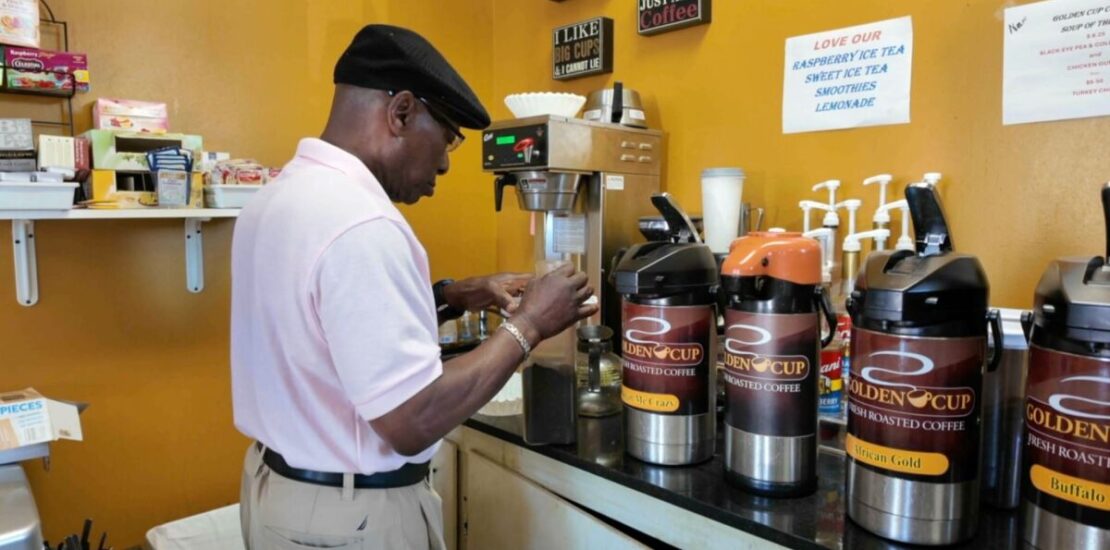
Efforts are underway in New York state to tackle the plastic waste crisis, but the changes may come at a cost for small businesses. As large corporations are pushed to reduce plastic packaging, the impact could trickle down to local shops, forcing them to absorb the added expenses.
The Push for Change
The New York State Senate is considering Bill S1464A, which aims to minimize plastic packaging by holding big companies accountable. If passed, this bill would require firms with substantial earnings—over $5 million—to reduce their packaging waste and make it more recyclable. It’s a move that mirrors similar regulations in states like Oregon and California. For everyday New Yorkers, this might mean a cleaner environment and healthier waterways. But for small business owners, it raises critical concerns.
Larry Stitts, the owner of Golden Cup Coffee in Buffalo, highlights the potential consequences for local establishments. “The manufacturers are making decisions at the top,” he noted. “They’re going to put a price on it, and that cost will trickle down to us.” This means that while large corporations might adjust their practices, small business owners may find themselves with higher costs for packaging materials.
Impact on Small Businesses
For many small business owners, like Stitts, the stakes are high. He relies on plastic for various aspects of his coffee shop, and the prospect of switching to costlier alternatives is troubling. Stitts argues that switching to paper or biodegradable products, often at a premium, could dramatically impact his menu offerings. “If the costs go up, I might have to eliminate some menu items,” he warned. This reality poses a dilemma: How do small businesses comply with environmental laws while remaining financially viable?
The state bill poses an ambitious goal to cut packaging by 30% over the next twelve years. While it may take time for the rules to hit small businesses, the uncertainty now places pressure on many local retailers. With an aging infrastructure and already tight margins, the burden of compliance could deter new ventures and stunt growth for existing ones.
Public Sentiment and Legislative Challenges
Public support for reducing plastic waste is palpable. The bill comes in response to mounting waste issues, as the average New Yorker generates about five pounds of garbage daily. Unfortunately, much of this waste goes to landfills, and plastics can often find their way into local waterways, introducing harmful toxins.
Despite this public sentiment, the bill has struggled to gain traction in the state legislature. After stalling in the last session that ended in June 2023, the legislation is unlikely to be revisited until January 2027, at the earliest. This delay suggests ongoing debates about the balance between environmental goals and the economic realities faced by small businesses.
What this means for you
The conversation surrounding plastic packaging highlights the complexities of balancing environmental responsibility with economic survival. If you’re a small business owner or even just a consumer, it’s essential to stay informed about how these changes might affect your shopping and dining experiences. If you ever need to review agreement documents related to new business regulations or consumer protections, legal-document-to-plain-english-translator/”>AI legalese decoder can help translate it into plain English in seconds.
Need to decode legal language? Try the free AI Legalese Decoder — no registration required.

 ****** just grabbed a