
Stanford Medicine’s Plan to Revolutionize Cancer Treatment and Research
- June 10, 2026
- Posted by: Alex Reed
- Category: Related News
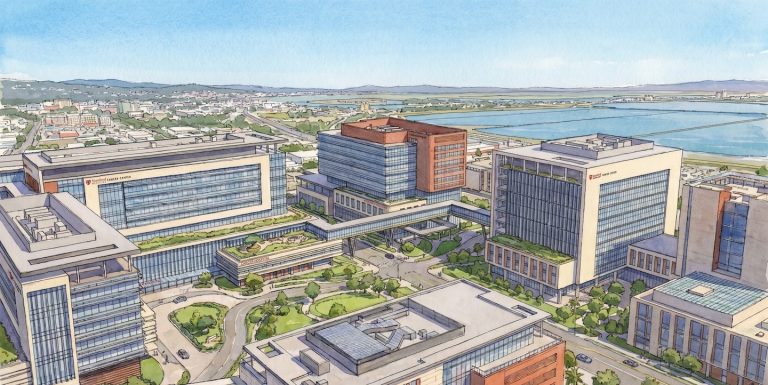
Stanford Medicine is taking a significant step in the fight against cancer. The institution’s new cancer research and treatment center in Redwood City aims to revolutionize patient care, making a real difference in the lives of those affected by this devastating illness.
Innovative Cancer Care on the Horizon
Stanford Medicine plans to integrate research and treatment in one location. This new center will combine the expertise of its various departments to provide cutting-edge patient care. Situated just off Highway 101 in Redwood City, the center aims to be a world-class hub for cancer research and treatment on the West Coast.
Lloyd Minor, the dean of Stanford’s School of Medicine, emphasized the importance of co-locating research and care. He stated that this approach would accelerate advancements in predicting, preventing, treating, and curing various cancers. The goal is to support patients at every step, from prevention to survivorship.
The new facility includes a hospital, clinic, and research areas connected by skyways. This design enables clinical trial findings to inform real-life patient care directly. This setup fosters collaboration between doctors and scientists, promoting a dynamic learning environment focused on improving care and advancing research.
A Commitment to Local Communities
Stanford Medicine understands that quality healthcare must be accessible, especially for those in the Bay Area. David Entwistle, the president and CEO of Stanford Health Care, expressed the desire to unite top experts in a state-of-the-art facility to transform cancer treatment. This vision aims to support the health and well-being of communities that need essential cancer care.
The updated project will take advantage of land near the existing Stanford Redwood City campus and will be designed with sustainability in mind. Stanford Health Care aims to prioritize environmental stewardship alongside patient care, highlighting its commitment to future generations.
Cancer cases are on the rise, especially among young adults, with four new diagnoses occurring every minute in the U.S. Alongside improving treatments, long-term follow-up care has become increasingly critical as more survivors emerge. The new center aims to help navigate this complex landscape, ensuring patients receive appropriate care that meets their unique needs.
Bringing Research to Life
Stanford Medicine is focused on making a real impact through this center, showcasing its comprehensive expertise across various cancer research areas. Steve Artandi, the director of the Stanford Cancer Institute, pointed out that the new cancer center would unite advanced scientific research under one roof, benefiting both local and global patients.
Among the benefits of the proposed center are precision treatments tailored to individual cancer genomes and advanced liquid biopsy testing to monitor treatment responses effectively. The use of AI insights and the development of innovative vaccines against cancer adds another layer of promise. The team at Stanford aims to create therapies for previously hard-to-treat cancers while improving access to clinical trials.
Timothy Morrison, a senior vice president overseeing the project, emphasized the center’s potential to transfer groundbreaking discoveries globally. By bringing research directly into patient care, the hope is that the innovations developed at this center will significantly help those with cancer worldwide.
Engaging with the Community
As the project moves forward, Stanford Medicine is committed to keeping the community informed and involved. The institution has scheduled two webinars to discuss the updated project and collect feedback. This engagement approach demonstrates Stanford’s dedication to ensuring the center aligns with the needs of those it serves.
These discussions show that Stanford is aware of the local impact of its plans. Ensuring community voices are heard emphasizes the center’s commitment to patient-centered care. By making these advanced treatments and research opportunities more accessible, Stanford Medicine hopes to revolutionize the approach to cancer care.
What this means for you
Stanford’s integrated cancer care center could lead to better treatment options for patients and their families. If you or someone you know has questions about treatment options or clinical trials, it’s essential to be well-informed. If you ever need to review medical consent documents, legal-document-to-plain-english-translator/”>AI legalese decoder can help translate them into plain English in seconds.
Need to decode legal language? Try the free AI Legalese Decoder — no registration required.
Source: https://med.stanford.edu/news/all-news/2026/06/redwood-city-cancer-center.html

 ****** just grabbed a