
Spirit Airlines to Suspend All Flights Starting Early Saturday
- May 1, 2026
- Posted by: Alex Reed
- Category: Related News
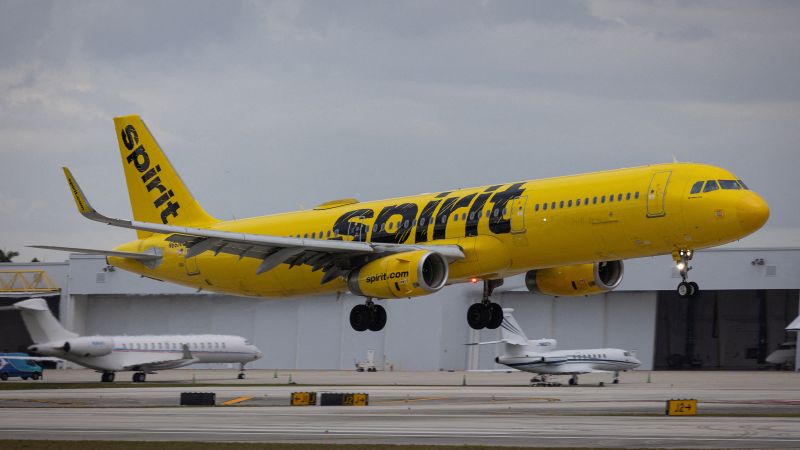
Spirit Airlines’ recent announcement to halt flights has sent shockwaves through the travel industry. For travelers, this means disrupted plans and potential financial loss as they scramble to find alternative flights. Moreover, the closure marks the first significant airline shutdown in nearly 25 years, raising concerns about the broader impacts on the airline industry and ticket prices.
Spirit Airlines Takes a Dramatic Turn
Spirit Airlines is set to cease operations as of 3 am ET this Saturday. This decision comes after rising jet fuel prices thwarted the airline’s plans to emerge from its second bankruptcy. Negotiations for a rescue package with the Trump administration fell through, leaving Spirit unable to secure the necessary funding to continue its operations.
This closure will leave millions of passengers holding Spirit tickets scrambling for other travel arrangements. Additionally, approximately 17,000 employees will be without jobs. The disruption is expected to ripple through the entire airline industry, likely leading to higher ticket prices across the board.
The Financial Fallout
Spirit Airlines has faced mounting challenges, particularly due to increasing jet fuel prices, which are crucial for operational costs. Airlines have historically struggled with the high costs associated with fuel, especially when prices fluctuate dramatically. In the wake of the COVID-19 pandemic, Spirit has been unprofitable and warned multiple times about its uncertain future.
Just days before the shutdown announcement, Spirit believed it had reached a viable financial plan to continue operations. However, the deal fell apart when a key group of creditors failed to agree on the terms, which would have given the government significant control over the airline.
The Impact on Passengers
For those who have already purchased tickets, there is a path to potential reimbursement. Passengers who paid with credit or debit cards can file claims with their banks. However, those who paid with cash become creditors of Spirit, meaning they will have to wait in line with others owed money.
Travelers caught in the middle of trips will need to find new flights quickly, as last-minute fares are typically the most expensive. The burden of rebooking flights falls disproportionately on low-cost carriers like Spirit, making it a challenging situation for many budget-conscious travelers.
Industry Response and Future Outlook
Historically, bankruptcies in the airline industry often result in consolidation, with more solvent carriers buying out their struggling counterparts. Spirit Airlines’ closure marks a significant event, being the first major U.S. airline shutdown since Midway Airlines ceased operations following the September 11 attacks.
With this shutdown, industry experts predict fare increases as airlines adjust to cover the gap left by Spirit. Consumers should prepare for potential fare hikes as airlines navigate this unexpected gap in service.
What this means for you
Spirit Airlines’ shutdown highlights the importance of understanding the terms and conditions of your travel bookings. If you ever need to review travel agreements, legal-document-to-plain-english-translator/”>AI legalese decoder can translate it into plain English in seconds. Always stay informed about your rights and options, especially when unforeseen events arise.
Need to decode legal language? Try the free AI Legalese Decoder — no registration required.
Source: https://www.cnn.com/2026/05/02/business/spirit-to-halt-all-flights

 ****** just grabbed a