
Soybean Farmers Face Uncertainty as China Reopens Its Market
- July 4, 2026
- Posted by: Alex Reed
- Category: Related News
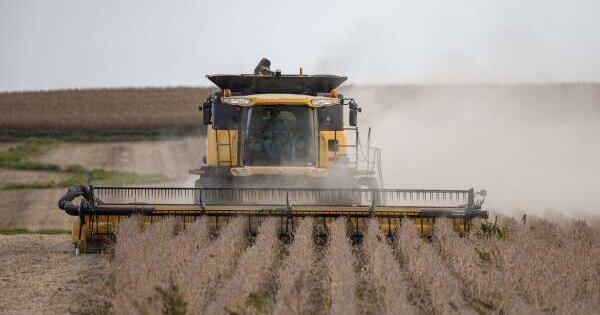
Crops are thriving, and soybean prices are looking a bit brighter, thanks to improving trade relations with China. This shift is important for farmers and everyday consumers alike, as it affects food prices and global markets.
Boost in Soybean Orders from China
As the 2026 growing season kicks off, soybean farmers are experiencing a lift in spirits. Reports indicate that China, which has historically been the largest buyer of U.S. soybeans, is resuming its purchases after a significant pause caused by trade tensions. The end of a purchasing freeze last fall has led to renewed orders from China, with soybean prices increasing slightly compared to the previous year.
However, despite these positive developments, the cost of planting crops remains a significant hurdle. According to data from the U.S. Department of Agriculture (USDA), it will take time for China’s soybean purchases to return to levels seen before the trade war. The USDA’s Deputy Secretary expressed confidence that China would meet its purchase commitments, which include sourcing at least 25 million metric tons of soybeans annually through 2028.
The Economic Impact of Farmers
Soybeans are a major agricultural product, representing about 10% of all U.S. farmland and making up a substantial portion of exports. Historically, around half of these exported beans have gone to China. In 2025, when China halted its usual purchases amid tariff negotiations, it turned to South American suppliers. Now, amid a new trade agreement, China has resumed buying U.S. soybeans, though experts caution that much remains uncertain.
Farmers are hopeful but wary. Even with improved prices compared to last year, many are still struggling to break even. The University of Tennessee has reported significant losses for soybean producers, estimating nearly $110 million in losses last year alone. Farmers are now questioning how much profit they can realistically expect this year, considering the ongoing high costs associated with planting.
Long-term Outlook for Soybean Production
While trade relations seem to be improving, experts are hesitant to declare victory. Farmers and market analysts are still concerned about whether China will fulfill its commitments. With prices on the rise, the uncertainty surrounding future purchases keeps many of them cautious.
Commodity traders also play a vital role in this landscape. They are closely watching China’s buying patterns to determine future market trends. Although prices are better than last year, there are still fears that they may not be enough for farmers to stay afloat in the long run. Ongoing financial strain from previous years of losses raises the question of sustainability within the industry.
Moreover, the involvement of governments in these trade agreements complicates the picture. Some critics argue that such deals may merely be a temporary fix to the broader issues stemming from trade tensions between the U.S. and China.
Alternative Markets and Future Strategies
Despite the challenges, U.S. soybean farmers are exploring new markets. While China remains an important customer, countries like Canada, Mexico, Egypt, and others have been increasing their purchases. This diversification helps mitigate the risk of dependency on a single market.
The USDA emphasizes that improving relationships with other countries is vital. They plan to open new markets not just in Asia, but across the globe, ensuring that farmers can maintain stable income streams.
U.S. farmers are also investing in research for better products and sustainability. Feedback from the European Union indicates that American soybean production aligns with their sustainability targets, further encouraging efforts to focus on new markets and creating demand.
What this means for you
The recent upswing in soybean exports to China suggests a potential stabilization of prices in the agricultural market, which may ultimately influence food costs. If you ever need to review agricultural contracts or trade agreements, legal-document-to-plain-english-translator/”>AI legalese decoder can help translate it into plain English quickly and easily. By keeping an eye on these developments, consumers can better understand the broader economic landscape that affects their daily lives.
Need to decode legal language? Try the free AI Legalese Decoder — no registration required.

 ****** just grabbed a