
South Korea’s Crypto Trading Volumes Plummet: Understanding the Shift
- June 11, 2026
- Posted by: Alex Reed
- Category: Related News
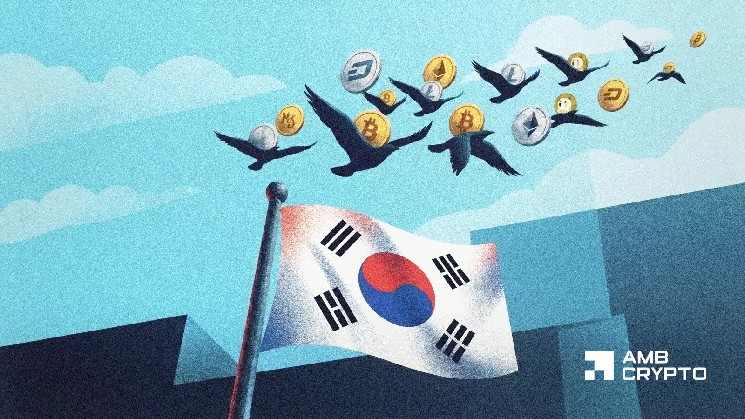
The recent drop in South Korea’s cryptocurrency trading volume might seem like just another market fluctuation, but it has significant implications for everyday investors. As the market matures and shifts, understanding these changes can help you navigate your financial decisions wisely.
Understanding the Decline in Trading Volume
In the first quarter of 2026, South Korea’s five main cryptocurrency exchanges saw a noticeable decline in trading activity. The average monthly trading volume slipped from 125.2 trillion won to 98.1 trillion won. This shift raised alarms for many, leading some to believe that interest in cryptocurrencies was waning. However, experts argue that the market is simply maturing, as investors increasingly opt for long-term holdings instead of hasty trades.
Several factors are contributing to this change. Investors are becoming less enthusiastic about risky assets as capital flows into South Korea’s booming stock market, buoyed by rising oil prices and elevated interest rates. These conditions signal a pullback from speculative investments, indicating a more cautious approach among traders.
Regulatory Shifts in South Korea’s Crypto Market
The dominance of major exchanges like Upbit and Bithumb, which account for about 96% of trading volume, has caught the attention of regulators. To combat this concentration, the government is implementing Phase 2 of the Digital Asset Basic Act (DABA). This new regulation aims to limit the level of ownership that any single entity can have within the market.
This move followed a mishap involving Bithumb, which mistakenly distributed Bitcoin instead of cash prizes during a promotional event in February 2026. This error caused a 17% flash crash in the Bitcoin/KRW market, underscoring the need for more stringent oversight in the growing sector.
The Stablecoin Debate Intensifies
As discussions around DABA Phase 2 continue, South Korea’s digital asset market is experiencing a critical turning point regarding stablecoins. The Bank of Korea advocates for bank-led issuance, arguing it will ensure financial stability. In contrast, the Financial Services Commission supports a wider eligibility framework, allowing various entities to participate in the market.
Despite regulatory uncertainty, demand for stablecoins remains robust. By April 2026, one particular won-pegged stablecoin, KRWQ, saw a daily transaction volume of about 1 billion won. This usage was predominantly driven by foreign institutions looking for a cost-effective way to hedge their investments in South Korean stocks. Nevertheless, this trend raises concerns about potential loss of control over liquidity in the won-denominated market, as offshore stablecoin activity grows.
Steps Towards a Regulated Future
In response to these evolving dynamics, innovative initiatives are emerging. Upbit’s operator, Dunamu, launched GIWA, an Ethereum Layer-2 network that facilitates regulated blockchain activity. This platform focuses on enabling multi-chain compatibility and identity verification, ensuring compliance with South Korea’s regulations.
Although KRWQ suggests a strong demand for liquidity, GIWA aims to localize that interest, promoting a regulated ecosystem. Furthermore, Tether has made moves in the South Korean market by filing trademark applications for new products that highlight the Korean won.
The steps being taken show a commitment to adapt and regulate the rapidly evolving cryptocurrency landscape while still aiming to satisfy market demand.
What this means for you
For everyday investors, it’s crucial to stay informed about regulatory changes affecting the cryptocurrency market. Keeping an eye on stablecoin developments is vital since they can impact your investment choices. If you ever need to review contracts or any legal documents related to your investments, legal-document-to-plain-english-translator/”>AI legalese decoder can translate it into plain English in seconds. Your awareness and understanding of these changes can empower you to make better financial decisions in an increasingly complex market.
Need to decode legal language? Try the free AI Legalese Decoder — no registration required.

 ****** just grabbed a