
South Korea Postpones Digital Asset Basic Act Amid Election Focus
- May 11, 2026
- Posted by: Alex Reed
- Category: Related News
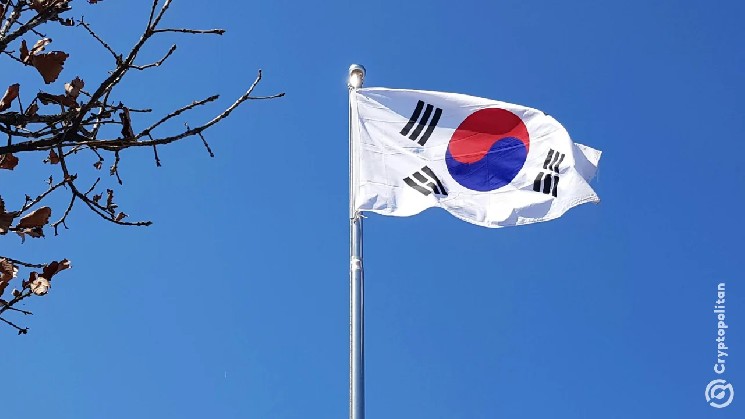
South Korea is in the spotlight as it delays critical discussions on new digital asset regulations, affecting everyone from everyday investors to tech enthusiasts. This decision means uncertainty lingers in a country with millions invested in cryptocurrency.
The Delay of the Digital Asset Basic Act
On May 12, South Korea’s National Policy Committee decided to exclude the Digital Asset Basic Act from the upcoming parliamentary agenda. This postponement is significant because the bill aims to create foundational regulations for cryptocurrency activities, including stablecoins and crypto exchanges. The delay comes just before the June 3 local elections, which makes it unlikely that lawmakers will revisit the issue soon.
The proposed Digital Asset Basic Act represents the second phase of South Korea’s regulatory framework for the crypto industry. The first phase, the Virtual Asset User Protection Act, was introduced in 2023 and aimed at enhancing investor protection. However, the new bill would require licensing for crypto companies, set rules against insider trading, and enforce capital requirements for stablecoin issuers.
Unresolved Issues and Industry Impact
The Digital Asset Basic Act has faced several hurdles, primarily due to disagreements between the Financial Services Commission and the Bank of Korea. A major point of contention is whether banks should maintain majority ownership in stablecoin projects. The lack of resolution on key provisions raises concerns for companies eager to launch won-backed stablecoins or provide institutional crypto services.
Under the bill, stablecoin issuers would need to have a minimum capital of 50 billion won—around $35 million. This threshold aligns with regulations applied to electronic money companies. Yet, as of now, various details regarding ownership structures for crypto exchanges and other businesses remain unsettled.
With the current delay, companies that planned to enter the market or expand may find themselves in a precarious position, unable to determine compliance structures while waiting for the law to progress.
Global Context and Future Prospects
The global crypto landscape is evolving rapidly, with established frameworks in regions like the European Union, Japan, Singapore, and Hong Kong. Many observers had expected South Korea to establish itself as a major crypto regulation hub; however, the ongoing delays hinder this aspiration.
The European Union rolled out its Markets in Crypto-Assets framework in 2024, while Japan updated its Payment Services Act to include stablecoin regulations in 2023. These efforts create competitive environments abroad, leaving South Korea’s crypto firms in a tough spot. Around 19% of South Korea’s population, or approximately 9.7 million people, are involved in the crypto space. With daily trading volumes reaching over $7.9 billion, the need for clear regulations becomes more urgent.
Without finalized laws, both local and international crypto exchanges face uncertainty regarding operational policies and interstate recognition of licenses. The delays could even stall the development of stablecoin payment systems in the Asia-Pacific region.
What this means for you
The postponement of South Korea’s Digital Asset Basic Act illustrates the growing pains in cryptocurrency regulation and its implications for everyday investors. If you’re involved in the crypto market, staying updated on these developing regulations is crucial. If you ever need to review financial documents or contracts related to cryptocurrency, AI legalese decoder can translate it into plain English in seconds. Keeping informed will help you navigate this fast-changing landscape.
Need to decode legal language? Try the free AI Legalese Decoder — no registration required.
Source: legal/32845854/” rel=”nofollow noopener”>https://cryptonews.net/news/legal/32845854/

 ****** just grabbed a