
Small Businesses in Russia Struggle Amid Rising War-Related Costs
- April 20, 2026
- Posted by: Alex Reed
- Category: Related News
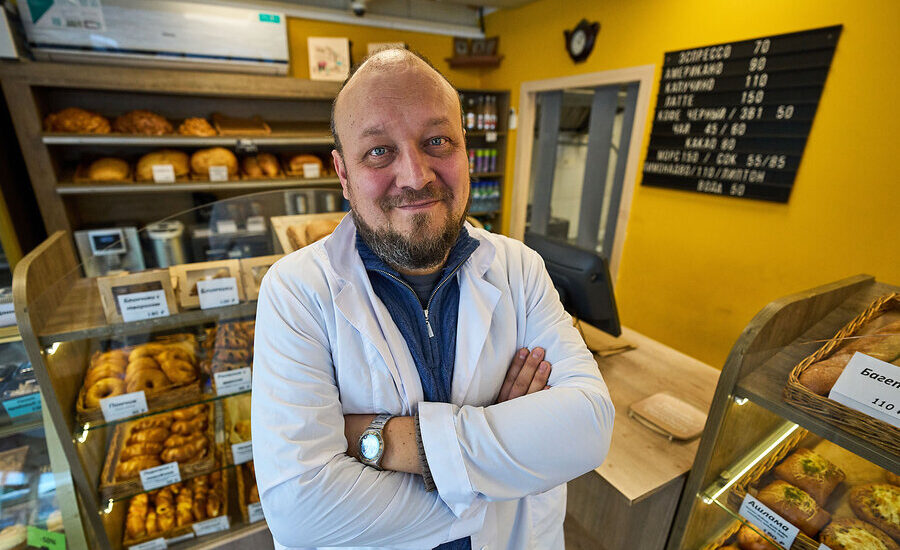
Launching a protest in Russia is risky, especially for small business owners feeling the squeeze from economic turmoil. But one beauty salon owner has found a way to voice her struggles without getting thrown in jail, inspiring a wave of digital activism.
The Rise of Digital Flash Mobs
Lialia Sadykova, who owns a network of beauty salons in St. Petersburg, accidentally sparked a new form of protest a few months ago. While sharing her experiences on the website of the Association of Beauty Industry Enterprises (APIC), she noticed others joining in, sharing their own hardships. This online gathering soon transformed into a “digital flash mob,” allowing small business owners to air their grievances without facing the legal repercussions of traditional protests.
These digital gatherings utilize common social media platforms like VKontakte and Telegram. The movement gained significant traction, reaching up to 360,000 followers on Instagram at one point. It serves as an urgent call to action for small business owners, many of whom are struggling with skyrocketing interest rates, labor shortages, diminished consumer demand, and increasing taxes. “It’s become the symbol of thousands of small businesses on the verge of closure,” Sadykova remarked.
The Economic Strain on Small Businesses
The situation for small business owners in Russia is gravely concerning. Following the onset of the war in Ukraine, the government has raised taxes and reduced exemptions for entrepreneurs, making it even harder for them to survive. Many small businesses have reported drastic increases in their tax burdens, with some facing leaps of 30 to 80 times their previous obligations. “In our industry, profit margins are around 5 to 7%, and now are we supposed to work just to pay taxes?” Sadykova questioned.
The Russian government is under severe financial strain, dealing with budget deficits and reduced oil revenues. President Vladimir Putin recently acknowledged a contraction in the nation’s GDP, and businesses are grappling with the impact of hasty tax increases. Amidst all this, digital flash mobs are helping these entrepreneurs draw attention to their plight.
The “We Are Mashenka” Movement
The flash mob movement takes inspiration from Denis Maksimov, a bakery owner who publicly appealed to President Putin about his struggles. After garnering attention, he received temporary tax relief for his food business. The “We Are Mashenka” movement was born from his example, aiming to show solidarity among small business owners facing the same issues.
While the catering sector may have seen some improvements, many others are still reeling from the economic impact. As Sadykova noted, “The changes to the tax code were sprung on us almost without warning.” Small-business owners are expressing their frustration online, calling for the government to listen and take their challenges seriously.
Drawing Attention to a Hidden Economy
Despite having a record number of 6.5 million registered small businesses, many operate on the margins, often living in a “gray economy” and rarely getting government support. Entrepreneurs have suffered especially hard during recent crises, such as the pandemic and the current war, with many reporting they are near bankruptcy.
The complexity of the situation is alarming. While the government has previously sought to bring small businesses out of the shadows with lower tax rates, many still engage in various tactics to stay under the radar. For instance, some break themselves into smaller entities to benefit from tax cuts designed for smaller businesses.
What this means for you
The struggles of small business owners in Russia highlight the importance of understanding the legal documents involved in running a business, such as contracts and tax filings. If you ever need to review such documents, legal-document-to-plain-english-translator/”>AI legalese decoder can translate them into plain English in seconds. Stay informed and make sure you know your rights and responsibilities in any business endeavor.
Need to decode legal language? Try the free AI Legalese Decoder — no registration required.

 ****** just grabbed a