
Small Business Index Dips Below Historic Average: What It Means
- June 20, 2026
- Posted by: Alex Reed
- Category: Related News
The future of small businesses is hanging in the balance, with recent trends showing concerns that could impact everyday consumers. Understanding these shifts can help you navigate your shopping habits and know what to expect in prices and services.
Current Economic Climate for Small Businesses
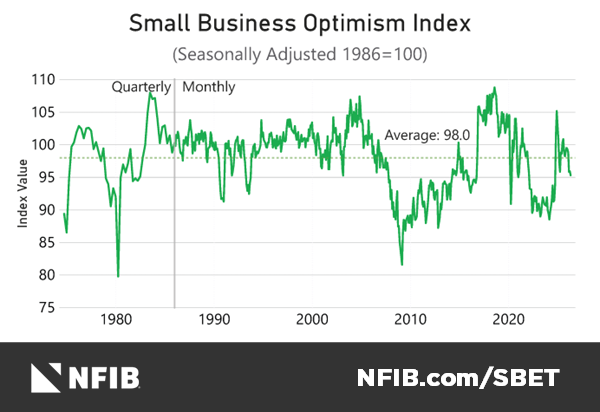
A recent report from the National Federation of Independent Business (NFIB) reveals concerning trends impacting small businesses. In May, the Small Business Economic Trends (SBET) index dropped to 95.3, slightly below its long-term average. This decrease highlights the challenges small businesses face in today’s marketplace. Many entrepreneurs are struggling with rising costs, which may lead to price increases for consumers.
A key aspect of the report showcased a significant jump in the Uncertainty Index, now at 91. This number signals worries among small business owners about future economic conditions. The rise is indicative of an unstable environment that could affect your local retail shops and services.
Inflation Troubles for Small Business Owners
Inflation continues to be a pressing issue. Eighteen percent of business owners named inflation as their top concern, marking the highest level of worry since December 2024. As prices for goods and services rise, it’s likely that small businesses, which often have tighter profit margins than large corporations, will feel pressured to pass on these costs to consumers.
Alongside inflation, a notable rise in price increases was reported. Thirty-six percent of businesses are raising their selling prices, a significant jump from April. This could mean that when you shop, you might soon pay more for everyday items as small businesses adapt to their changing financial landscape.
Investment and Spending Trends
Despite the challenges, small businesses are also adapting through investment. However, the reported capital outlays—the money set aside for future investments—have hit a low not seen since 2009. Only sixteen percent of business owners plan to make significant investments in the coming months. This cautious outlook may affect the availability of new products and services in your favorite local shops.
Additionally, supply chain disruptions are still a major headache. Seventy percent of small business owners indicated that these disruptions have impacted their operations. If you’ve noticed delays or unavailability of certain products, this trend explains a lot. It’s clear that the underlying issues affect not only business owners but ultimately influence what you see on store shelves.
Lobbying for Change in Washington
In response to these challenges, a delegation of Idaho small business owners, led by NFIB’s local director, is advocating for two important legislative measures in Washington, D.C. They are pushing for the repeal of the Beneficial Ownership Information reporting requirement and reforms on credit card swipe fees. If successful, these efforts could ease some burdens on small businesses, potentially benefiting consumers in the long run by stabilizing prices and services.
Staying updated on small business trends is crucial as they play a key role in our economy. As these businesses adapt to new policies and economic pressures, the effects will trickle down, impacting not only business owners but also the consumers who shop at these establishments.
What this means for you
These economic trends are vital for understanding potential price changes in your everyday purchases. If you ever need to review consumer agreements, AI legalese decoder can decode the fine print into plain English in seconds. By staying informed, you can make better shopping choices and be prepared for changes ahead.
Need to decode legal language? Try the free AI Legalese Decoder — no registration required.
Source: https://www.nfib.com/news/press-release/small-business-index-slips-below-its-historic-average-4/

 ****** just grabbed a