
Sam Bankman-Fried Drops Retrial Motion, Citing Fairness Concerns
- April 23, 2026
- Posted by: Alex Reed
- Category: Related News
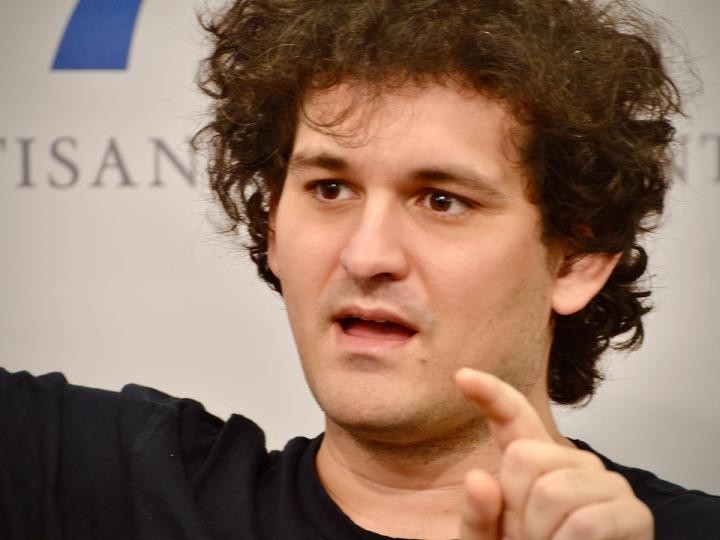
Sam Bankman-Fried’s case is not just about crypto; it reflects broader issues of fairness in the legal system that could affect anyone facing charges. The founder of the failed FTX exchange has recently decided to step back from his request for a retrial, which speaks volumes about the complexities of navigating justice.
Background on the Case
Sam Bankman-Fried was sentenced to 25 years in prison after being convicted of fraud and conspiracy linked to the FTX collapse in 2022. He faced seven counts in total, which highlighted the massive fallout from the exchange’s failure. The case raised questions about investor protection, contract obligations, and how digital currencies are regulated. Now, as he serves his sentence, Bankman-Fried is weighing his legal options carefully.
In a recent letter to the judge, Bankman-Fried withdrew his request for a retrial. He expressed concerns over whether he would receive a fair hearing. However, he also made it clear that he might revisit this motion later after his direct appeal is resolved and his request for reassignment is reviewed. This withdrawal shows the careful considerations involved in legal strategy, especially when stakes are high.
The Motion for a New Trial
The motion for a new trial had been submitted by Bankman-Fried’s mother, Barbara Fried. She claimed that new evidence could justify a fresh examination of the case. Interestingly, Bankman-Fried indicated that he played a significant role in drafting the motion while detained at the Metropolitan Detention Center in Brooklyn. This speaks to both his resolve and the difficulties of being incarcerated during such a critical time.
“I am the author of the letter,” he stated, though he did consult with his parents and legal team about the content. Their input led to some editorial and organizational changes, showing how even in a challenging environment, collaboration remains key. He needed support in printing the motion, as he did not have access to a computer.
A Rule 33 motion, which this request falls under, is a formal plea to a federal court to grant a new trial based on new evidence or principles of justice. Such motions can be critical in the quest for a fair outcome, particularly in high-profile cases like this one.
The Appeal Process
Currently, Bankman-Fried’s appeal is being considered by the U.S. Court of Appeals for the Second Circuit. His attorney, Alexandra Shapiro, has argued that the original trial was “fundamentally unfair”—a claim that indicates serious concerns about the proceedings. During oral arguments last November, she pointed out that there were limitations on what Bankman-Fried could present to the jury, which raises questions about the integrity of the legal process.
Appeals can be complicated, especially in cases involving financial crimes. The scrutiny over the original trial may lead to further legal maneuvers, including possible reassignment to a different judge if Bankman-Fried’s request is granted. Each step is crucial in shaping the outcome of his legal journey.
What this means for you
Bankman-Fried’s situation highlights the importance of understanding your legal rights, especially in high-stakes environments. If you ever find yourself needing to review a legal document, such as an employment contract or a court filing, legal-document-to-plain-english-translator/”>AI legalese decoder can help translate it into plain English in seconds. Understanding your legal standing could be vital in navigating your own challenges.
Need to decode legal language? Try the free AI Legalese Decoder — no registration required.
Source: legal/32753685/” rel=”nofollow noopener”>https://cryptonews.net/news/legal/32753685/

 ****** just grabbed a