
Rumen Radev Leads in Bulgarian Election Amid Pro-Russia Sentiment
- April 20, 2026
- Posted by: Alex Reed
- Category: Related News
Progress in governance isn’t just confined to the halls of parliament; it can directly impact your daily life. A recent political shift in Bulgaria promises to usher in changes that could influence everything from economic stability to international relations.
Bulgaria’s General Election Results
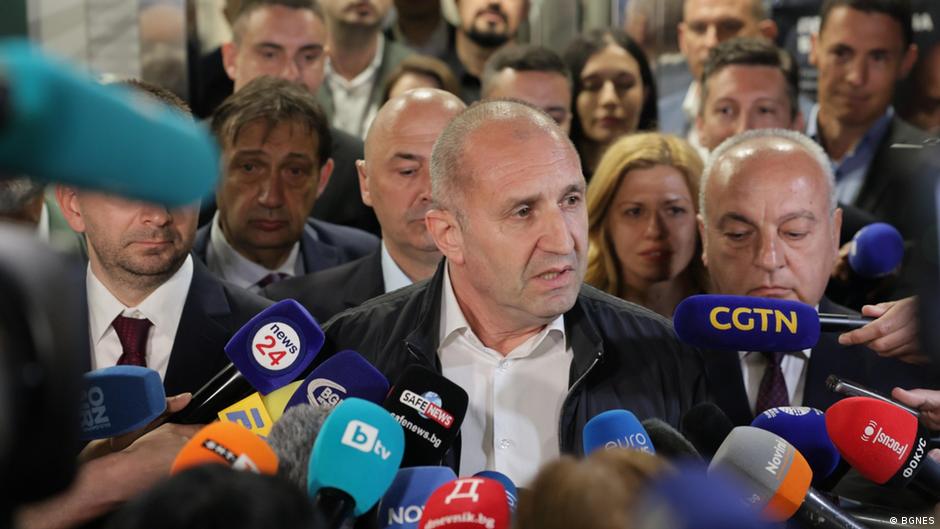
In Bulgaria’s recent general election, the party “Progressive Bulgaria,” led by former President Rumen Radev, has emerged as a clear winner. With approximately 44.7% of the votes counted, Radev’s party is projected to secure around 130 of the 240 seats in parliament, positioning it for a significant parliamentary mandate. This outcome surpasses expectations and marks one of the strongest showings by a party in recent years.
The political landscape leading up to this election had been tumultuous. Bulgaria, the poorest member of the European Union, has experienced a political crisis since 2021 when the long-standing conservative government was ousted amid widespread protests over corruption. This election marked the eighth vote in just five years, signaling a desperate hope among citizens to break the political deadlock.
Understanding the Political Context
The backdrop of these elections is crucial for grasping their significance. The anguished political atmosphere follows the resignation of a conservative-led government under allegations of corruption, with protests calling for reform. Bulgaria’s status as an EU and NATO member adds another layer of complexity, affecting everything from economic policies to international relations.
Rumen Radev, who previously served as president for nine years, emphasized the need to avoid another election cycle, referring to it as “ruinous for Bulgaria.” His desire for a stable government reflects the population’s urgency for effective leadership and direction.
Meet Rumen Radev
Radev is a former air force general who has pledged to tackle what he describes as an “oligarchic governance model” in Bulgaria. Advocating for renewed ties with Russia, he has also been critical of military aid to Ukraine, while officially denouncing Russia’s invasion.
After casting his ballot, Radev called for mass participation in voting to ensure free and fair democratic processes, underscoring the stakes involved in this election. With promises to combat corruption and restore faith in governmental institutions, Radev’s leadership could bring a fresh perspective to Bulgaria’s battered political landscape.
The Reactions of Other Political Leaders
In contrast to Radev, former Prime Minister Boyko Borissov, leader of the center-right GERB party, displayed uncertainty about his party’s future during the voting process. Initially pessimistic about forming coalitions, Borissov later suggested that negotiations would be essential in determining governance. His experience from three previous terms as prime minister makes his views significant, yet his party’s challenges highlight uncertainties in Bulgarian politics.
Though Borissov’s party has a notable history in Bulgarian politics, the current election results indicate a shift away from traditional voting patterns. The election reflected the people’s desire for change, signaling a potential overhauling of alliances and strategies within the parliament.
What this means for you
The outcomes of elections like this can affect various aspects of life, including economic growth and international relations. Changes in government often lead to shifts in policies that can influence public services and social programs. If you ever need to review official documents related to governmental changes or policies, legal-document-to-plain-english-translator/”>AI legalese decoder can translate it into plain English in seconds.
Need to decode legal language? Try the free AI Legalese Decoder — no registration required.
Source: https://www.dw.com/en/bulgaria-pro-russia-rumen-radev-on-course-to-win-election/a-76846189

 ****** just grabbed a