
Republicans Split from Trump: Conscience or Political Strategy?
- June 6, 2026
- Posted by: Alex Reed
- Category: Related News
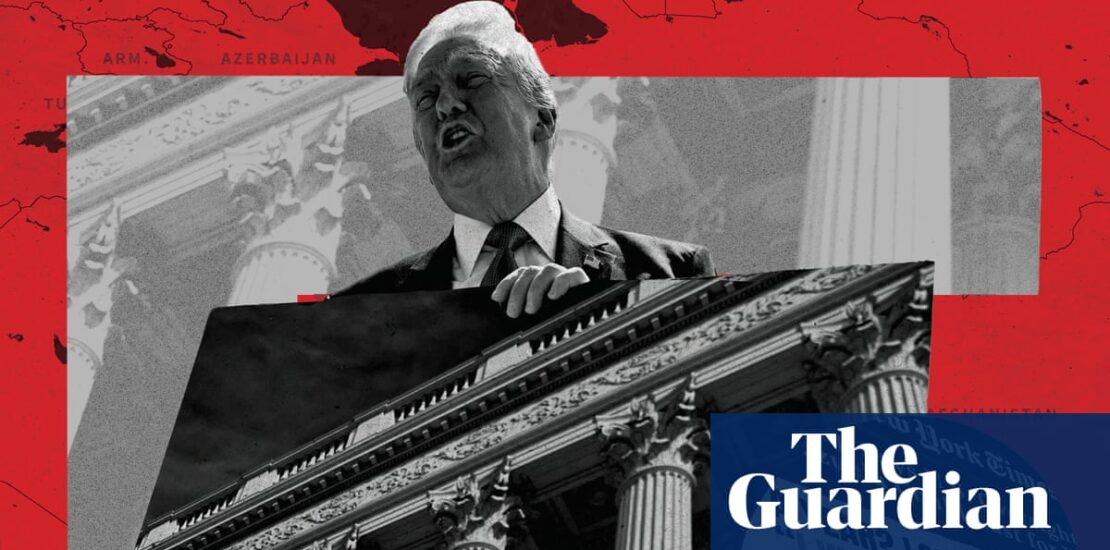
The political landscape in Washington is shifting as some Republicans begin to push back against former President Donald Trump. This dispute among party members has implications that extend beyond politics, affecting governance and public trust.
Rising Dissent in Congress
As the November midterm elections approach, a noticeable division is emerging within the Republican Party. Members of Congress are starting to break ranks with Trump, revealing frustrations with his demands and the current state of national affairs. Recent weeks have seen Republicans ally with Democrats on key issues, including resolutions that restrict Trump’s actions regarding Iran and support for Ukraine.
The House of Representatives passed a bill providing additional aid for Ukraine, showing a willingness among some Republicans to cooperate across party lines. This break in unity highlights dissatisfaction with Trump’s direction. Republican lawmakers are grappling with internal conflicts, indicating a willingness to stand up to party leadership.
In the Senate, a group of Republican senators reacted negatively to Trump’s nominee for director of national intelligence, Bill Pulte. Such responses may signal growing unease among party members about their alignment with the former President.
Congressional Challenges Amid Disunity
This internal strife is not unprecedented, but the Republican Party currently has a precarious majority that complicates decision-making. With only a three-seat advantage in the Senate and a historically slim hold on the House, party leaders, including Senate Majority Leader John Thune and House Speaker Mike Johnson, face mounting pressure from both Trump and members of their own party.
Recent voting behavior underscores this tension. While the Senate passed a $70 billion bill for federal agencies involved in Trump’s deportation strategy, there were last-minute complications tied to funding requests. Concerns over a Trump-related spending proposal nearly derailed this critical bill, revealing the difficulties faced by Republicans in managing Trump’s demands against their own legislative goals.
Amidst this turmoil, public opinion remains an influential factor. With low approval ratings for Trump and ongoing high gas prices, many lawmakers recognize the urgent need to respond to voters’ concerns, especially as they approach the midterm elections.
Response to Political Pressures
The political fallout is evident, as dissent among Republicans opens doors for Democrats eager to capitalize on perceived instability within the party. House Minority Leader Hakeem Jeffries pointed to the GOP’s inner turmoil as evidence of their unraveling. Public surveys show that many voters disapprove of Trump’s policies, particularly regarding foreign relations with Iran.
As some Republicans face tough re-election battles, their decisions to break from Trump are increasingly influenced by political necessity. For instance, Tom Barrett from Michigan and Brian Fitzpatrick from Pennsylvania, both of whom supported recent resolutions, are viewed as prime targets for Democratic challengers in the upcoming midterms.
Despite the challenges, Trump remains at the center of attention, often using threats to maintain control over dissenting lawmakers. However, numerous defections may indicate a shift in perspective among party members as they weigh their loyalty to Trump against their political survival.
Complications in Governance
Efforts to assert congressional authority over Trump have been largely ineffective, despite attempts to limit his powers through resolutions. Challenges remain in passing war powers measures, and Trump retains the ability to veto any legislation that does pass. This ongoing dynamic complicates governance and raises questions about the effectiveness of Congress.
Even though some Republicans are resisting Trump’s influence, it’s essential to note that their actions often come late in the legislative process. Many lawmakers are navigating their positions with caution, backing resolutions only when they seem destined to fail, allowing them to avoid backlash from the party base.
With the political climate becoming increasingly contentious, the future of Republican leadership remains uncertain. Trump’s stronghold on the party remains, but fissures are growing, which could reshape the landscape of American politics.
What this means for you
Understanding the impact of political maneuvers on governance is crucial, especially as they can influence policies that affect your daily life. If you ever need to review employment contracts or terms of service agreements, legal-document-to-plain-english-translator/”>AI legalese decoder can help translate them into plain English in seconds. Stay informed, as political changes can lead to shifts in legal requirements and public policy, directly affecting various aspects of society.
Need to decode legal language? Try the free AI Legalese Decoder — no registration required.
Source: https://www.theguardian.com/us-news/2026/jun/06/republicans-trump-midterms

 ****** just grabbed a