
Putin’s Upcoming Visit to Xi Jinping: What to Expect Next
- May 16, 2026
- Posted by: Alex Reed
- Category: Related News
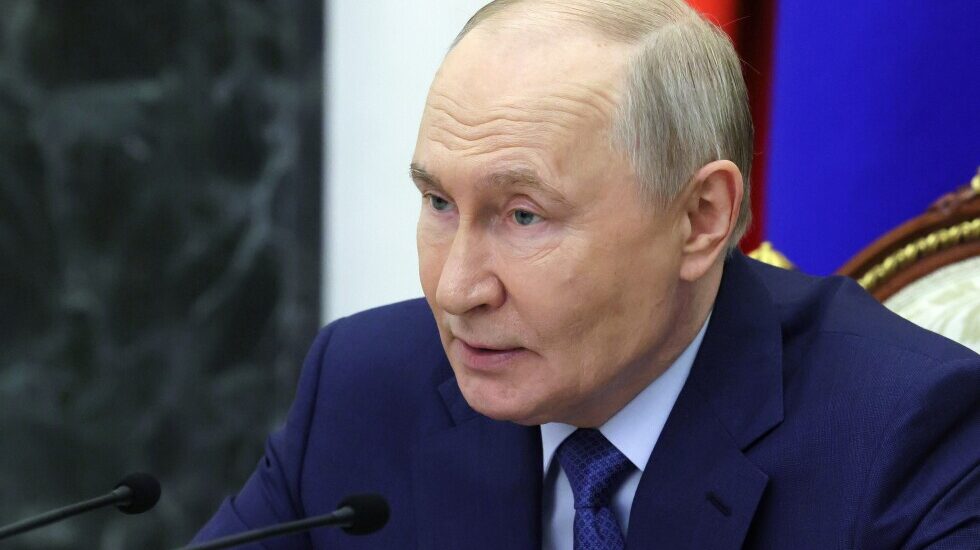
Russian President Vladimir Putin’s upcoming trip to Beijing is more than just a diplomatic meet; it’s a significant development in global relations that affects us all. As alliances shift, the consequences of international politics trickle down to everyday citizens, influencing everything from global trade to economic stability.
Meeting of the Minds: Putin and Xi Gather in Beijing
Putin’s scheduled visit to China on May 19-20 marks a notable occasion as it aligns with the 25th anniversary of the Sino-Russian Treaty of Friendship, according to the Kremlin. During this two-day summit, the leaders plan to focus on strengthening bilateral relations and discussing pressing international issues along with economic cooperation.
This meeting comes on the heels of U.S. President Donald Trump’s state visit to China, where he engaged in discussions regarding trade and geopolitical tensions, particularly involving the U.S. and Israel’s stances in Iran. The timing is crucial as it highlights the increasing competition in global politics. With China’s rise and Russia’s complicated position following its invasion of Ukraine, understanding these dynamics is vital for everyone.
The Considerable Shift in Russia-China Relations
In recent years, the bond between China and Russia has significantly deepened. The relationship intensified after Russia’s full-scale invasion of Ukraine, which resulted in Western countries imposing strict sanctions on Moscow. This condemnation pushed Russia to turn towards China to facilitate trade and bolster its economy. The two nations’ enhanced partnership reflects their shared interests, particularly as they both face pressure from Western powers.
Past interactions between Putin and Xi illustrate a growing camaraderie, with both leaders often referring to each other in familiar terms during meetings. This level of engagement suggests not only a mutual understanding of their geopolitical concerns but also a strategic alliance likely designed to counter Western influence.
Recent Developments in Ongoing Conflicts
The situation remains tense in the region, as Ukraine continues to deal with the repercussions of the ongoing war. Recently, Ukraine repatriated the bodies of fallen soldiers as part of a prisoner exchange with Russia. This process is vital for families seeking closure in a tragic and drawn-out conflict.
The exchange included 528 bodies that Ukraine is now working to identify. This is part of a broader initiative by Ukrainian President Volodymyr Zelenskyy, who announced plans for a larger swap involving 1,000 prisoners of war from each side. During such exchanges, the human cost of conflict becomes painfully evident, demonstrating the tragic realities faced by soldiers and civilians alike.
Despite these efforts towards negotiation and exchange, violence continues to erupt. Recent drone attacks have targeted both sides, with reports of injuries and fatalities from strikes in Ukrainian and Russian territories. The cycle of conflict adds complexity to the diplomatic interactions taking place in Beijing, as both countries are entangled in ongoing hostilities.
What this means for you
These international developments can seem distant, but they have real effects on global economies and national politics, which impact everyday life. As such political shifts occur, it’s wise to stay informed about how they could affect local businesses, such as fluctuating prices or supply chain issues. If you ever need to review contracts related to employment or agreements for services, AI legalese decoder can help translate it into plain English in seconds.
Need to decode legal language? Try the free AI Legalese Decoder — no registration required.
Source: https://apnews.com/article/russia-ukraine-war-putin-china-visit-75d703648da64e2caaace39e6415dc35

 ****** just grabbed a