
Pope Commends America’s Immigrant Welcome Amid Political Critique
- July 3, 2026
- Posted by: Alex Reed
- Category: Related News
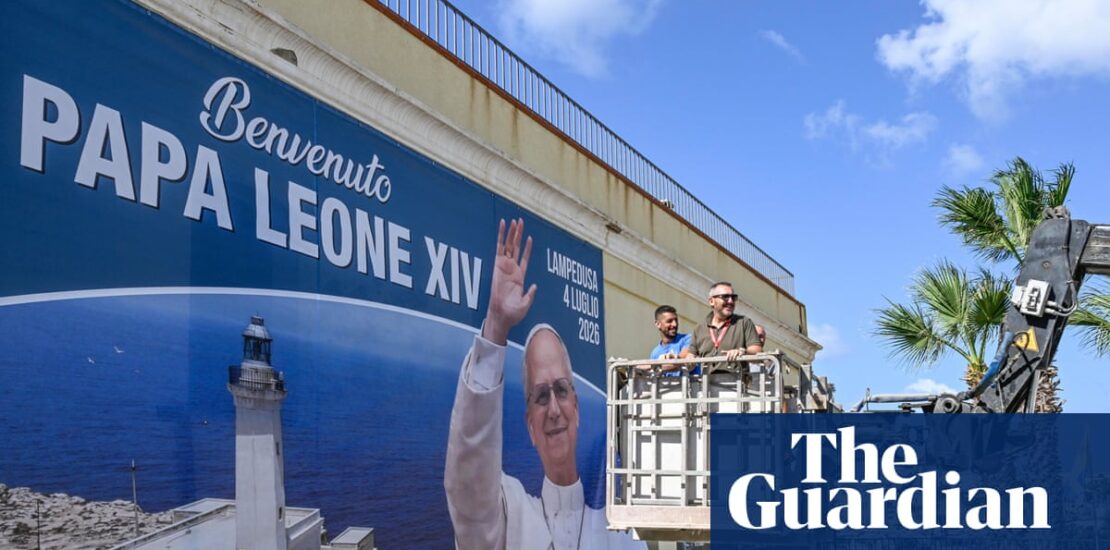
Pope Leo’s recent address to his homeland highlights the critical importance of immigration and the values America was built upon. His comments resonate not only with political leaders but also with everyday people who care about freedom and the treatment of migrants.
The Pope’s Clear Message
In his first major address to the United States, Pope Leo praised the nation’s historical role in welcoming immigrants. Speaking live from the Vatican, he emphasized that “America” has become synonymous with freedom across the globe. The pope urged Americans to uphold the ideals of the Declaration of Independence, which focus on unity, justice, and peace.
During the speech, which marked his acceptance of the Liberty Medal at the National Constitution Center in Philadelphia, he urged reflection on the nation’s founding principles. He expressed a hope that the U.S. would stay true to its identity as “the land of the free and home of the brave,” especially as the country prepares to celebrate its 250th anniversary.
A Symbolic Visit to Lampedusa
To further advocate for migrant rights, Pope Leo plans a visit to Lampedusa, an island in southern Italy. This location serves as a primary entry point for many individuals making the dangerous journey from North Africa to Europe. The visit will take place on the same day as the U.S. independence celebrations, serving as a powerful symbol of his message on immigration.
Upon arriving in Lampedusa, the pope will stop at a cemetery filled with unmarked graves of migrants lost at sea. He will also visit the “Gateway to Europe,” a memorial dedicated to migrants who have taken this perilous journey. This visit aims to honor those who suffered while concurrently critiquing the indifference surrounding the treatment of migrants in various nations, including the United States.
Political Implications and Challenges
Pope Leo’s messages have sparked challenges with current political leaders, notably his ongoing tension with former President Donald Trump. The pope has previously called for deeper reflection on the treatment of detained individuals in the U.S., directly contrasting with the former administration’s immigration policies.
Days prior to the papal visit, U.S. Vice President JD Vance expressed concern over the Vatican’s views on immigration, labeling them as “troubling.” Despite invitations to the White House, Pope Leo has yet to accept a formal meeting with Trump, concentrating instead on his messages about compassion and dignity for all people.
Pope Leo’s approach draws attention not only to U.S. policies but to similar sentiments across Europe, where parties that promote anti-immigration stances have gained ground. His visit to Lampedusa serves as a reminder that compassion and understanding must prevail in discussions about immigration.
What this means for you
For regular individuals, this story serves as a reminder of the importance of compassion when it comes to immigration and human rights. It highlights the need to consider our nation’s history and future in light of welcoming those in need. As you engage with any documents related to immigration or human rights, such as applications or policies, remember that there are tools available to decode the fine print and make these important issues easier to understand. If you ever need to review immigration application forms, legal-document-to-plain-english-translator/”>AI legalese decoder can translate them into plain English in seconds.
Need to decode legal language? Try the free AI Legalese Decoder — no registration required.
Source: https://www.theguardian.com/world/2026/jul/03/pope-leo-lampedusa-visit-us-250th-anniversary-trump

 ****** just grabbed a