
Political Fallout as Spirit Airlines Ceases Operations, Passengers Left Stranded
- May 2, 2026
- Posted by: Alex Reed
- Category: Related News
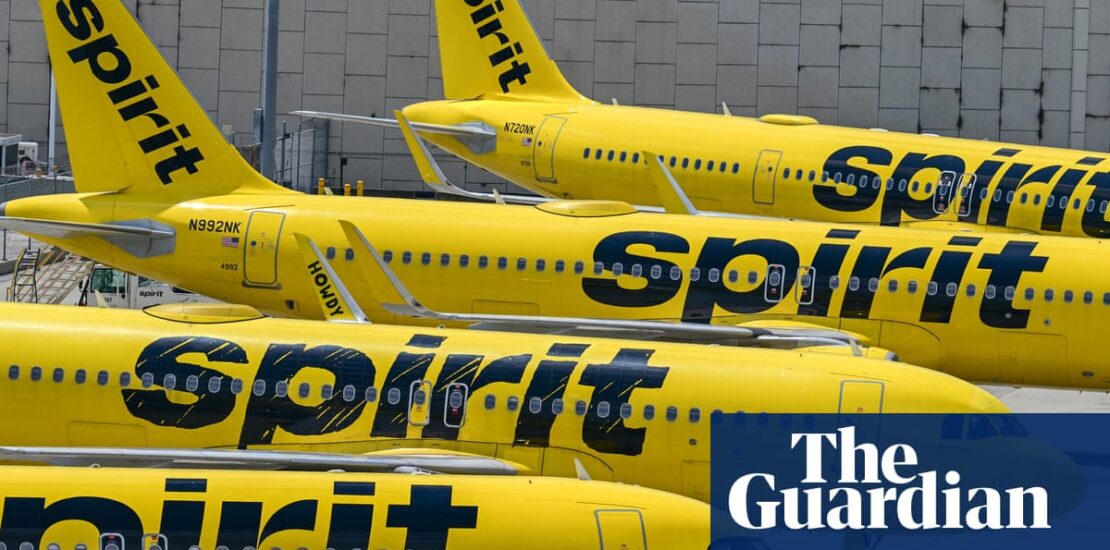
Spirit Airlines’ sudden shutdown has left many travelers scrambling and questioning their travel plans. This event matters because it affects everyday people who rely on budget airlines for affordable travel options. With increased airfare prices and uncertainty, the aviation industry is now facing significant turbulence.
Spirit Airlines Ceases Operations
On Saturday, Spirit Airlines announced it had ceased operations, leaving check-in desks empty and travelers in distress. The low-cost carrier, which had been flying for 34 years, made the announcement early that day, stating it was beginning an “orderly wind-down” of its services. At airports like Orlando International, bright red screens indicated canceled flights, causing confusion among travelers.
Transportation Secretary Sean Duffy urged passengers who had booked flights with Spirit not to come to the airport, as there would be no assistance available. Instead, he outlined options for those affected, including how to get refunds or cheaper flights on other airlines. Unfortunately, many passengers, such as Angela Moreno, found themselves unable to attend important events like weddings due to the sudden cancellation of their flights.
Political Blame Game and Leadership Challenges
As the news spread, a political blame game erupted over Spirit’s collapse. Some officials said the war in Iran, which has driven up jet fuel prices, was not the main cause of the airline’s financial troubles. Secretary Duffy pointed out that Spirit had filed for bankruptcy multiple times and had struggled for years to maintain financial health.
Adding to the chaos, the failed merger between Spirit and JetBlue also became a point of contention. Critics of the Biden administration blamed the government for blocking this merger, claiming it would have provided the necessary support to keep Spirit afloat. Others pushed back, arguing that rising fuel costs were ultimately to blame and that the merger was, in fact, a risky move for consumers.
Travelers Left in Limbo
Many travelers took to social media to express their frustrations. Nostalgic posts reflected on the budget airline’s role in making travel accessible for many families. The sudden closure has resulted in significant disruptions, as families scramble to find alternative carriers that may cost much more.
While some travelers are facing skyrocketing ticket prices, the impact extends beyond individual flights. The closure affects flights to various destinations, including popular locations in Latin America and the Caribbean. The loss of such a major airline means fewer options and higher prices for those looking to travel.
The situation has also drawn commentary from various political figures. Some blame the airline’s leadership decisions, while others argue that external factors and government policies played a crucial role. As discussions continue, many remain unsure about their future travel plans.
What this means for you
For regular travelers, the collapse of Spirit Airlines highlights the importance of being prepared for sudden changes in travel plans. Always have a backup option in mind when booking flights. If you ever need to review travel-related contracts or terms of service from airlines, legal-document-to-plain-english-translator/”>AI legalese decoder can help translate it into plain English in seconds.
Need to decode legal language? Try the free AI Legalese Decoder — no registration required.
Source: https://www.theguardian.com/business/2026/may/02/spirit-airlines-ceases-operations-blame

 ****** just grabbed a