
Polarstern Heads to HAUSGARTEN for Arctic Research Expedition
- July 2, 2026
- Posted by: Alex Reed
- Category: Related News
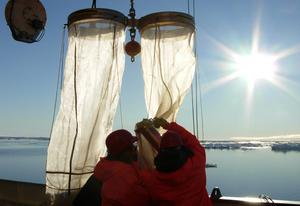
Climate change is impacting our planet in profound ways, especially in the Arctic. A new long-term study shows the urgent need for people everywhere to pay attention to these changes.
What is HAUSGARTEN?
The Alfred Wegener Institute started a significant project in 1999 called HAUSGARTEN. This observatory is located in the Fram Strait, the area between northeast Greenland and Svalbard. It spans over 5,500 meters deep into ice-covered waters and has become a valuable site for monitoring climate change’s effects on marine ecosystems. Researchers gather data from this location to understand better how climate change is affecting the Arctic and global ecosystems.
The Polarstern research vessel will set sail in July 2026, carrying 54 scientists and 43 crew members, to continue studying this important location. At HAUSGARTEN, measurement systems have been placed on the seafloor for over 25 years. Researchers regularly collect this data, conducting oceanographic and biological studies along the way. Changes in sea-ice conditions greatly affect the Arctic environment, making this research crucial for understanding ecological shifts.
Lessons from 25 Years of Research
Dr. Thomas Soltwedel, a biologist at the Alfred Wegener Institute, highlights the importance of HAUSGARTEN. He describes it as “a long-term memory of the Arctic.” This means that the data collected over the years provides vital insights into how the Arctic is changing. Without this information, it would be challenging to grasp the speed and extent of these changes.
The director of the AWI, Hajo Eicken, also emphasizes the importance of this long-term research. He states that understanding Arctic environmental changes is necessary for drawing connections to global trends. By tracking seasonal and annual changes, scientists can identify long-term patterns and predict the far-reaching impacts of climate change.
Why the Fram Strait Matters
The Fram Strait serves as a critical connection between the Arctic Ocean and global seas. Warm Atlantic currents mix with cold Arctic waters, making it a “canary in the coal mine” for understanding climate change. Notably, the Arctic is warming at double the global rate. Recent findings indicate a 40% reduction in sea-ice thickness over the past few decades, with water temperatures rising as much as 1.5°C above the long-term average.
To compound the issue, studies show that the types of phytoplankton and zooplankton in the region are changing. Cold-water species are disappearing, while heat-tolerant species are moving in. These shifts could have unpredictable effects on the food web in the Arctic, altering the entire ecosystem. Without the continuous monitoring done at HAUSGARTEN, these changes might have gone unnoticed.
The Importance of Long-Term Data
Dr. Autun Purser from the AWI highlights the crucial role of long-term ecological studies. The Ocean Floor Observation System gathers photographic and video data to support research findings. He emphasizes that long-term monitoring is essential for understanding slow changes, like ocean warming and ice melt, and their ecological impacts. This information informs strategies for protecting our environment and advancing sustainable practices.
Additionally, the PANGAEA online archive has become a key resource, holding over 250 scientific publications and various expedition data collected over the past 25 years. This kind of comprehensive data repository is vital for research and understanding the complex dynamics of climate change.
What this means for you
As climate change continues to transform our world, it’s essential to stay informed about its effects, even at a distance. If you ever need to review an insurance claim form related to home damage caused by environmental factors, legal-document-to-plain-english-translator/”>AI legalese decoder can help you translate it into plain English quickly. Understanding these changes is not just about the Arctic; it affects everyone’s lives globally.
Need to decode legal language? Try the free AI Legalese Decoder — no registration required.

 ****** just grabbed a