
Pizza Hut’s Future: Is a Major Business Sale on the Horizon?
- April 23, 2026
- Posted by: Alex Reed
- Category: Related News
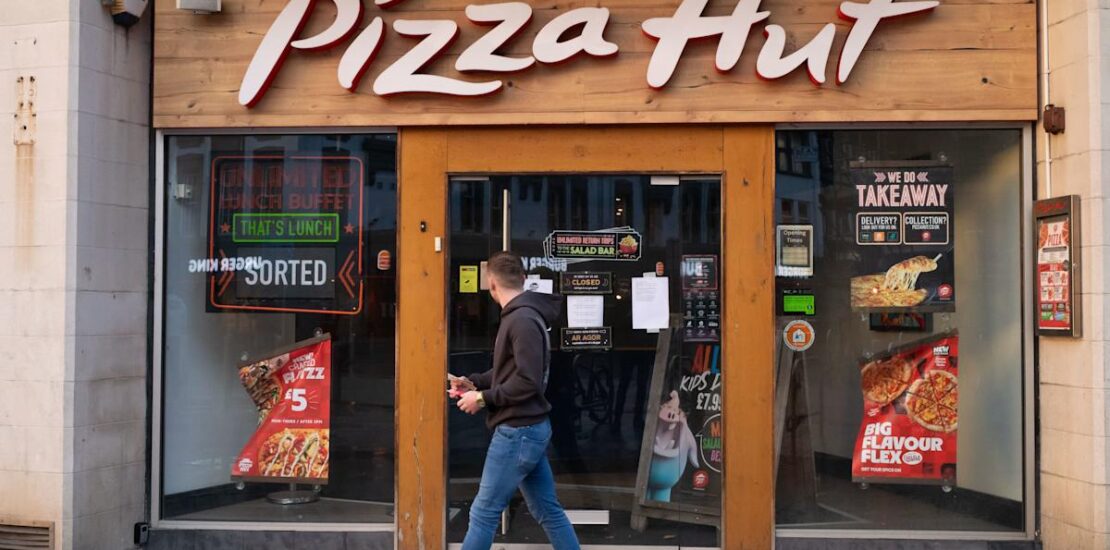
At Pizza Hut, change may be on the horizon, and that could affect your next slice. Yum! Brands, the parent company of Pizza Hut, is exploring the sale of the beloved pizza chain, which might mean big shifts for fans and customers alike.
Potential Sale of Pizza Hut
Yum! Brands recently announced it’s conducting a strategic review of Pizza Hut, which could lead to a sale by the end of 2025. This decision comes as the fast food industry faces growing competition and changing consumer preferences. Currently, Pizza Hut operates close to 20,000 locations worldwide, but its sales have seen a decline, particularly in the U.S., where sales dropped by 5% in 2025.
Chris Turner, the CEO of Yum! Brands, expressed a need for investment in the brand and hinted at possibly bringing in outside capital partners to help rejuvenate Pizza Hut. Turner stated that they are open to options that would help the pizza chain get on the right track. This suggests a potential focus on new menu innovations and enhanced customer engagement strategies.
A Shift in Pizza Business Dynamics
Throughout the years, the fast food landscape has undergone significant changes. Pizza Hut was once a dominant player, but it now faces fierce competition from companies like Domino’s, which has had success with frequent promotions and advanced mobile ordering technology. Meanwhile, food delivery services like Uber Eats and Grubhub have changed how consumers access food, making Pizza Hut’s traditional delivery model more challenging.
Analysts believe a sale could minimize the current underperformance risks associated with Pizza Hut, creating a clearer path for future growth. Stifel analyst Chris O’Cull estimates that Pizza Hut’s market value could be around $3.5 billion. This would align with ongoing trends in the pizza market, where brands are continuously adapting to stay relevant.
A Look Back at Pizza Hut’s History
Pizza Hut was acquired by PepsiCo back in 1977 for approximately $300 million, during a time when it was the world’s largest pizza chain. Over the next decade, PepsiCo also acquired Taco Bell and KFC, expanding its portfolio. However, in 1997, PepsiCo decided to divest its restaurant division, which later became Yum! Brands.
This close relationship between Yum! Brands and Pizza Hut has been deeply rooted, but now the performance of Pizza Hut has lagged compared to its sister brands like Taco Bell, where sales have surged. As Yum! Brands moves forward, the pressing question remains: can Pizza Hut regain its competitive edge?
The Future of Pizza Hut
The exploration of a potential sale or investment reflects broader trends within the fast-food industry. Pizza Hut needs to adapt to changing consumer behaviors and advances in technology to thrive again. With Yum!’s leadership now actively searching for innovative approaches, the future looks uncertain yet filled with possibility.
As CEO Turner expressed, there is much work to be done, and strategies need to be developed. Whether that involves refreshing the brand or seeking outside partnerships, time will tell how these decisions will unravel.
What this means for you
For pizza lovers, the potential sale of Pizza Hut could mean new menus or even changes in your favorites. Keeping an eye on company news can help you anticipate what’s next. If you ever need to review any terms related to purchasing tickets or promotional offers at Pizza Hut, legal-document-to-plain-english-translator/”>AI legalese decoder can translate it into plain English in seconds.
Need to decode legal language? Try the free AI Legalese Decoder — no registration required.

 ****** just grabbed a