
Pitney Meadows Earns Funding to Broaden Food as Medicine Program
- May 9, 2026
- Posted by: Alex Reed
- Category: Related News
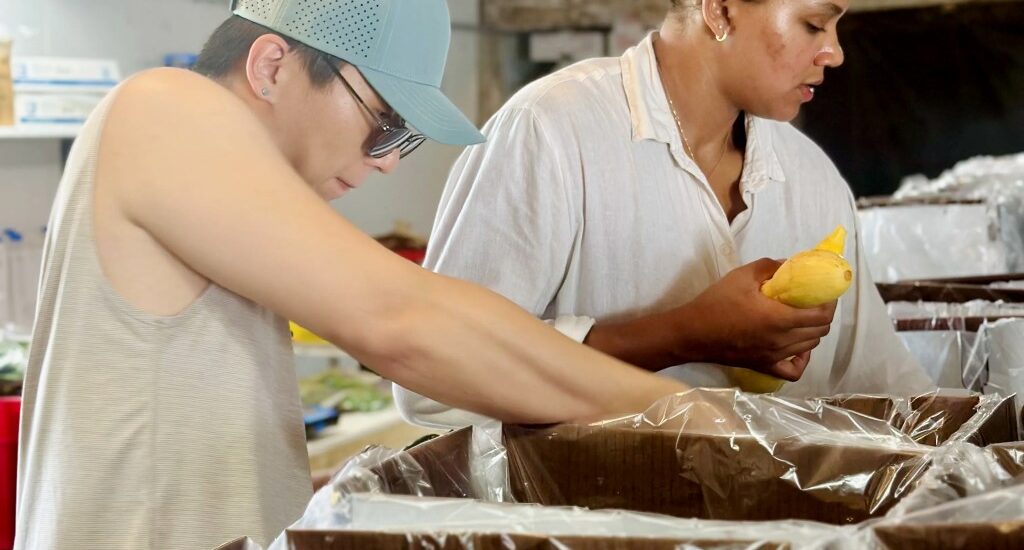
Pitney Meadows Community Farm recently received a significant grant aimed at improving healthcare through access to fresh food. This initiative could transform how we think about nutrition in medical care, showing that what we eat can directly affect our health outcomes.
Expanding the Food as Medicine Program
The Hortense and Louis Rubin Community Health Fund has awarded a three-year grant to Pitney Meadows Community Farm to enhance its “Food as Medicine: Clinical” program. This program is in partnership with the Saratoga Community Health Center and aims to inject fresh, locally grown food into the healthcare system. Currently in its seventh year, this collaboration demonstrates compelling evidence that food can serve as a critical component of healthcare.
With this funding, the program plans to double its reach, increasing participants from 20 to 80 over three years. This growth will take place in two healthcare settings: the Saratoga Community Health Center and the Saratoga Backstretch Clinic. Not only will the amount of fresh produce available to participants increase, but the program will also provide essential nutritional education.
How the Program Works
Participants in the program receive weekly prescription boxes filled with fresh produce for six months during the peak growing season. Along with these boxes, they attend group nutrition education sessions and receive ongoing support. This structure ensures that each person has consistent access to fresh food and guidance on how to use it for better health.
In addition to improving food access, participants undergo pre- and post-program assessments to track enhancements in health outcomes, including factors like blood pressure and body mass index (BMI). The goal is not just to fill stomachs but to make a meaningful impact on health.
According to Brooke McConnell, Executive Director of Pitney Meadows, this initiative signifies a turning point in community healthcare. By linking food to patient care, they aim to show that healthy eating is essential, not simply supplementary.
Wider Community Impact
Over the past decade, Pitney Meadows has established itself as a leader in nutrition-based interventions for those facing various challenges, including low-income individuals and families dealing with chronic illnesses. Each year, the farm provides over 100,000 servings of fresh food to local food pantries and partners, but this new program adds an important healthcare dimension.
This partnership integrates agricultural efforts with healthcare, emphasizing the belief that consistent access to fresh food can lead to significant health improvements. As Dr. Renee Rodriguez-Goodemote from the Saratoga Community Health Center explained, providing fresh food is vital to patient care and can lead to noticeable advancements in health.
The “Food as Medicine” program is not just about individual health; it reflects a growing awareness of food’s role in healthcare systems nationwide. By treating food as a fundamental part of personal wellness, the initiative sets a model for how communities can tackle food insecurity and health disparities.
What this means for you
Access to fresh and healthy food can deeply affect your overall well-being. If you’re ever faced with paperwork related to healthcare or food assistance, programs like the “Food as Medicine” initiative remind us how interconnected these areas can be. If you ever need to review healthcare-related documents, legal-document-to-plain-english-translator/”>AI legalese decoder can help translate them into plain English in seconds.
Need to decode legal language? Try the free AI Legalese Decoder — no registration required.

 ****** just grabbed a