
Passengers Prepare for Evacuation Amid Hantavirus Outbreak on Cruise
- May 9, 2026
- Posted by: Alex Reed
- Category: Related News
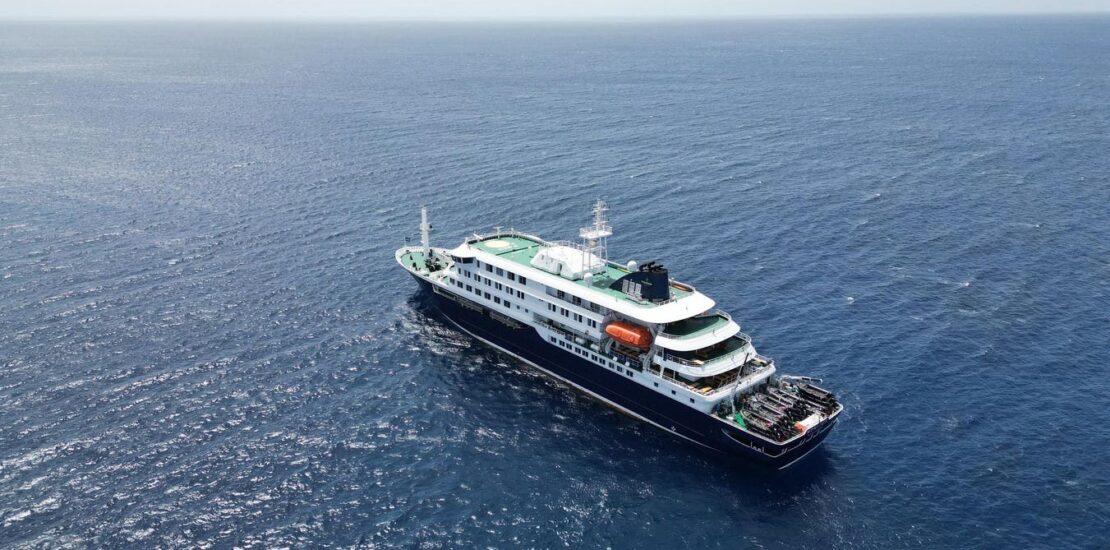
Passengers aboard the MV Hondius cruise ship are facing an alarming situation as a hantavirus outbreak forces their evacuation. This story is crucial because it highlights how quickly an infectious disease can impact travelers and raises concerns about health safety in recreational settings.
Evacuation Under Tight Security
Passengers on the MV Hondius will be evacuated within the next 24 hours, as per officials from the Canarias Region government in Spain. This decision comes after a confirmed hantavirus outbreak aboard the ship, with strict health monitoring measures in place for those being transported back to their countries. According to reports, anyone not ready for evacuation will have to remain on the ship.
Full personal protective equipment will be donned by the passengers during the evacuation process. This measure aims to minimize any potential risk to others during the transfer to local airports. The first to leave will be 14 passengers from Spain, while an estimated 17 Americans will also be evacuated but may be headed to a quarantine unit upon their return.
The Centers for Disease Control and Prevention (CDC) has activated a level three emergency response for this outbreak. This is considered the lowest level of emergency response yet signifies the involvement of disease experts who will monitor the situation closely.
Potential Spread and Current Cases
As of now, there are reported cases linked to the MV Hondius outbreak. New Jersey officials are monitoring two state residents who may have come into contact with a cruise passenger diagnosed with the virus. In Spain, a woman who shared a flight with an infected passenger is also under observation, raising concerns about possible transmission.
Also, two residents from Singapore who were onboard the cruise ship tested negative for hantavirus. The authorities confirmed that nobody currently on the ship is showing symptoms, but the World Health Organization (WHO) has stated that the absence of symptoms does not mean the risk is over. It can take some time for signs of illness to appear, sometimes even up to six weeks.
The ship, meanwhile, is anchored off the coast of Cape Verde after being denied docking permission. The local authorities aim to protect public health from further spread.
Understanding Hantavirus
Hantavirus is generally transmitted through contact with rodents and is known for causing severe respiratory issues. The strain linked to this outbreak is the Andes variant, which can be transmitted from person to person, typically during close, prolonged contact. Symptoms can include fever, muscle aches, and severe respiratory distress, with mortality rates nearing 38% for those who develop serious respiratory symptoms.
According to health officials, appropriate infection prevention measures can lower the risk of transmission. Health authorities continue to advise vigilance, recommending daily health checks for anyone who may have been in contact with infected individuals.
Some experts have voiced concerns about the U.S.’s preparedness for outbreaks like this, given previous cuts to CDC funding. A recent statement from the WHO indicates the public health risk is low, but they remain watchful.
What this means for you
This outbreak serves as a reminder of the importance of being aware of health risks when traveling. If you’re ever reviewing travel waivers or health-related documents, legal-document-to-plain-english-translator/”>AI legalese decoder can help you decode the fine print in seconds. Always stay informed about health alerts related to travel destinations, and follow local health guidelines during your trips.
Need to decode legal language? Try the free AI Legalese Decoder — no registration required.

 ****** just grabbed a