
Papillion Couple Discovers Erroneous SBA Loan Demand After 6 Years
- July 1, 2026
- Posted by: Alex Reed
- Category: Related News
In today’s digital age, identity theft can impact anyone, turning lives upside down in unexpected ways. A recent case involving a Nebraska couple sheds light on how even years after the crime, the repercussions can linger indefinitely.
What Happened to the Holsteins?
Frank and Alicia Holstein believed their names were cleared after being victims of identity theft six years ago. In 2020, thieves used Frank’s Social Security number to secure a Small Business Administration (SBA) loan of nearly $100,000, claiming it was for a nonexistent farm located at their home in Papillion, Nebraska. “I never asked for it, never received it,” said Frank. The couple took immediate action, filing an identity theft report with the SBA in 2023, thinking the matter was resolved.
Yet, they were in for another shock when they received a letter from the SBA in 2026, demanding payment for the fraudulent loan. The letter threatened collection actions if the debt was not settled. “I was just shocked,” Alicia said, expressing frustration over the ongoing implications of the identity theft, which seemed to haunt them even years later.
A Shocking Demand
The enormity of receiving a debt demand letter after years of trying to clear their name cannot be understated. The SBA’s notification stated that only full payment would prevent adverse collection actions. This kind of letter can send anyone into a panic, prompting questions about the next steps to take. For the Holsteins, it felt like a never-ending cycle of anxiety and confusion over a crime they did not commit.
In a world where the repercussions of identity theft can affect credit ratings, loan approvals, and everyday peace of mind, situations like this serve as stark reminders about the importance of vigilance and record-keeping. If something appears on your record that seems out of place, it’s vital to act promptly.
Government Response to the Error
Upon further investigation, First Alert 6 contacted the U.S. Small Business Administration to clarify the situation. The SBA responded, indicating that the payment notice had been sent in error, and they would notify the appropriate servicing center. This response validated the Holsteins’ concerns about identity theft and acknowledged that their identity theft report was now in the SBA’s system. This should protect them from further complications related to the fraudulent loan.
As these issues surface, it’s crucial for victims of identity theft to document their efforts to resolve the matter. The case sheds light on the importance of maintaining thorough records, especially when dealing with government agencies. The SBA has been proactive in identifying suspected fraudulent loans issued during the COVID-19 pandemic, sending over 560,000 cases to the U.S. Treasury Department for collection.
Finding Hope Amidst Challenges
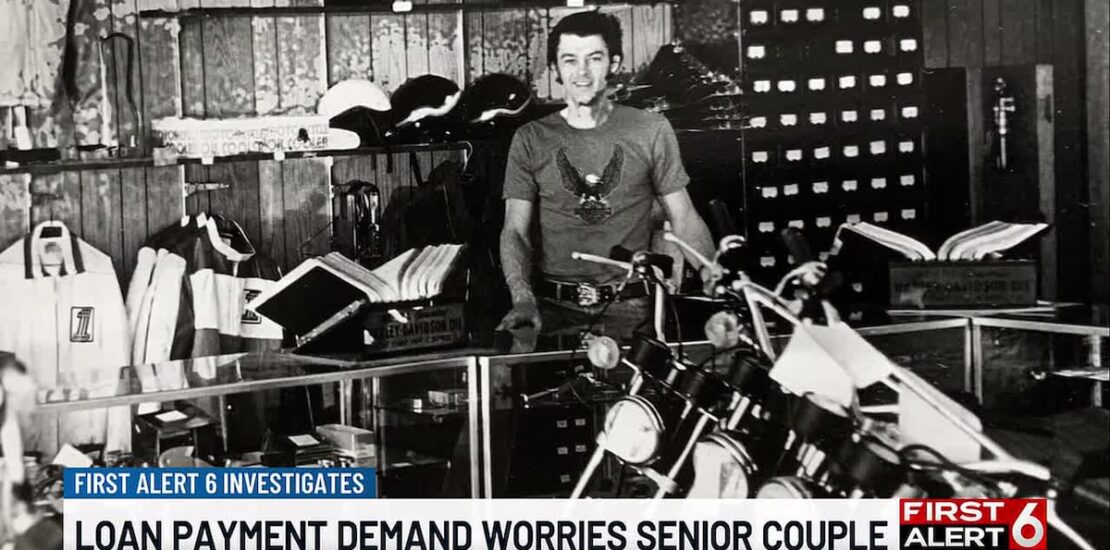
The Holsteins are hopeful that this will mark the end of their ordeal. Frank, a motorcycle dealer for 40 years, expressed relief that the situation may finally be resolved. He said, “If it happens again, I call you,” indicating a willingness to take preventive measures and stay vigilant should anything similar occur in the future.
While government agencies like the SBA work to address these predicaments, it remains essential for individuals to actively engage in protecting their identities. Constant monitoring and being proactive can help prevent similar instances.
What this means for you
The Holsteins’ experience serves as a cautionary tale about the potential long-term effects of identity theft. Regularly checking your accounts and credit reports can help you identify fraud early. If you ever need to review your financial documents or understand complex communications, legal-document-to-plain-english-translator/”>AI legalese decoder can translate them into plain English in seconds.
Need to decode legal language? Try the free AI Legalese Decoder — no registration required.

 ****** just grabbed a