
Olympic Athlete Indicted for Vandalizing Reflecting Pool
- July 2, 2026
- Posted by: Alex Reed
- Category: Related News
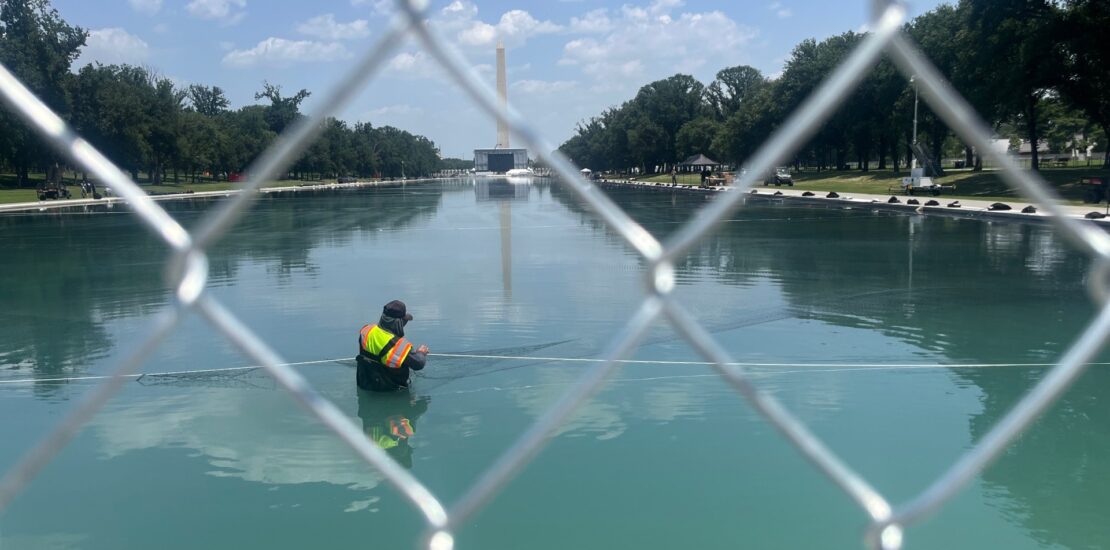
The recent felony charges against a former Olympic athlete may seem like a distant issue, but they highlight a growing problem: the consequences of property damage, especially to national monuments. For ordinary citizens, understanding how such incidents affect local culture and history is essential.
Allegations Against David Hearn
The U.S. Attorney’s office has officially charged David Hearn, a 67-year-old canoeist and former Olympian, with felony destruction of property. This indictment comes after allegations that he vandalized the historic Lincoln Memorial Reflecting Pool in Washington, D.C. During a news conference, U.S. Attorney Jeanine Pirro described the act as a serious offense that could lead to a ten-year prison sentence.
Pirro criticized what she termed “unchecked vandalism” and emphasized the significance of preserving national monuments. She claimed that such actions undermine the dignity of shared historical symbols. Hearn, however, defended himself by stating that he visited the pool out of curiosity and had no intention of causing harm.
What Happened at the Reflecting Pool?
Hearn’s incident at the Reflecting Pool took place on June 19, during a time when the site was undergoing renovations initiated by former President Trump. Trump had awarded a significant contract to a firm to refurbish the pool, which was supposed to be aesthetically appealing. However, shortly after reopening, the pool experienced algae blooms and issues with the freshly painted surface.
Hearn asserts he merely stopped to examine the condition of the pool and felt the paint, yet Pirro claimed that he “forcefully and violently” damaged approximately 2 square feet of sealant. According to allegations, a National Park Service employee warned Hearn to stop his actions, but he reportedly reacted with an outburst.
This is not an isolated case; at least seven people face similar allegations related to the Reflecting Pool. The heightened attention to this incident raises questions about how such actions are treated within the legal system.
legal Implications and Public Perception
The decision to charge Hearn with a felony rather than a misdemeanor has sparked a discussion about the legal penalties for destruction of public property. Some journalists questioned whether political motivations influenced this decision, especially given former President Trump’s comments on social media regarding strict punishments for damaging the Reflecting Pool.
In defense of the charges, Pirro argued that evidence showed the damage exceeded $1,000, which justified the felony indictment. This explanation, however, has done little to quell concerns that the penalties may not align proportionately with the act of vandalism itself. In contrast, many participants in the January 6 Capitol riots received little to no consequences for far more severe offenses, leading to further scrutiny of the legal system’s responses to different types of vandalism.
Public opinion also varies widely on the topic. While some view Hearn’s actions as unacceptable, others express skepticism about labeling it as vandalism. Comments from citizens reflect mixed feelings—some support Trump’s beautification efforts, while others are frustrated by the current condition of the Reflecting Pool.
What this means for you
Understanding the legal ramifications of property damage is crucial for everyone. If you’re ever faced with reviewing a legal document, like a liability waiver related to a public event, legal-document-to-plain-english-translator/”>AI legalese decoder can help translate it into plain English in seconds. By staying informed, you can better navigate the complexities of laws that touch our everyday lives.
Need to decode legal language? Try the free AI Legalese Decoder — no registration required.

 ****** just grabbed a