
NYC Landlord Battles Financial Toll of Long-Term Squatter Issue
- June 1, 2026
- Posted by: Alex Reed
- Category: Related News
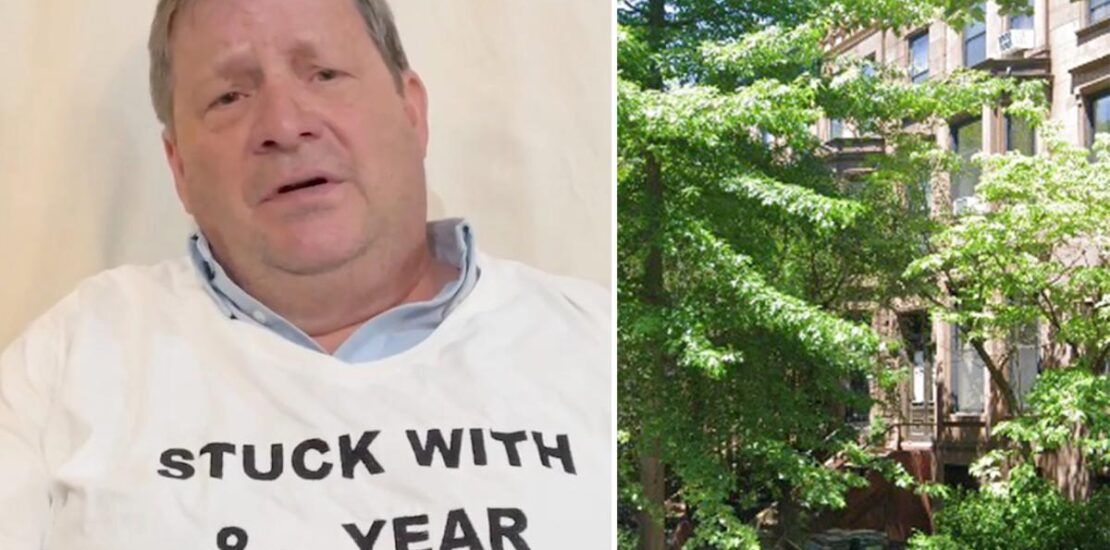
A long-standing legal battle over unpaid rent has turned into a dire situation for a Brooklyn landlord, affecting not only his financial stability but also his family’s future. This case illustrates the complexities of New York’s housing laws and the challenges landlords face when tenants do not pay rent for extended periods.
The Struggle of a Small Landlord
Thomas Diana has owned an eight-unit building in Park Slope for nearly a decade. However, his experience has been far from simple. A tenant who began living in one of his apartments as a live-in companion has remained in the property since 2014 without paying rent directly to Diana. The tenant initially moved in to assist a disabled, elderly resident who unfortunately passed away in 2016. Since then, Diana has spent nine years navigating the legal system to resolve the issue.
During this time, his financial burden has skyrocketed, resulting in losses that he estimates to be between $275,000 and $325,000 in unpaid rent, along with substantial legal fees. This financial strain has led him to dip into his daughter’s college fund, causing significant stress for his family. Diana has expressed frustration over the lengthy legal process in New York, which he claims often drags on for years, far beyond what people might expect based on portrayals in popular media.
legal Battles and Complications
The conflict between Diana and his tenant has involved a variety of claims and defenses. After the death of the elderly resident, disputes arose about whether the tenant was lawfully occupying the apartment and whether it was subject to rent stabilization laws. Diana has captured this situation as a “9-year squatter situation,” though the ongoing legal arguments revolve primarily around rent laws.
The tenant has reportedly changed lawyers multiple times—at least eight different attorneys—as the case has progressed, which Diana claims has contributed to the endless delays. On the other side, the tenant’s legal team argues that Diana has tried to unfairly remove her from the apartment, asserting she is entitled to her rent-stabilized apartment.
legal representation for the tenant claims that a judge has previously ruled in her favor. This ruling asserted that Diana improperly deregulated the unit from rent stabilization protections, focusing the remaining court proceedings on determining the appropriate rent amount and possible damages.
Financial Implications for Diana
Diana’s ongoing legal woes are not merely a nuisance; they’ve had serious financial implications. The prolonged delay in resolution has made it difficult for him to maintain his building, and he has had to take drastic measures, such as starting a GoFundMe to help cover costs. He argues that the loss of rent from just one unit compromises his ability to sustain the property financially.
Court proceedings often involve meticulous inspections and procedures that lead to further delays. Diana has cited instances where he’s been cited for minor issues, claiming these penalties are excessive compared to the lack of rent payments from his tenant.
The inequities in how the legal system operates seem glaring to him. Diana describes a scenario where the judicial system appears to favor tenants, even those who may not be fully compliant with their rental obligations. This imbalance adds an emotional toll on landlords like him, who feel powerless against what they view as exploitation of tenant protections.
The Future of the Case
As the legal saga continues, a new court date has been set, extending the process into a tenth year. The drawn-out nature of the case reflects a broader issue within New York’s housing court system, where many landlords feel trapped in a cycle of delayed justice.
Diana’s anecdote serves as a cautionary tale for both landlords and tenants, highlighting the complexities and risks involved in housing contracts. As difficult as navigating these conflicts may seem, it’s crucial for landlords to understand their rights under the law while remaining aware of the protections tenants have in place.
What this means for you
This case illustrates how complicated housing disputes can become, affecting both parties for years. If you ever need to review lease agreements or related documents, legal-document-to-plain-english-translator/”>AI legalese decoder can help translate them into plain English, making the details clearer and easier to understand. Stressing the importance of knowing your rights can help prevent situations like these from escalating.
Need to decode legal language? Try the free AI Legalese Decoder — no registration required.

 ****** just grabbed a