
Nigel Farage Fails to Disclose Support from Convicted Criminal
- July 4, 2026
- Posted by: Alex Reed
- Category: Related News
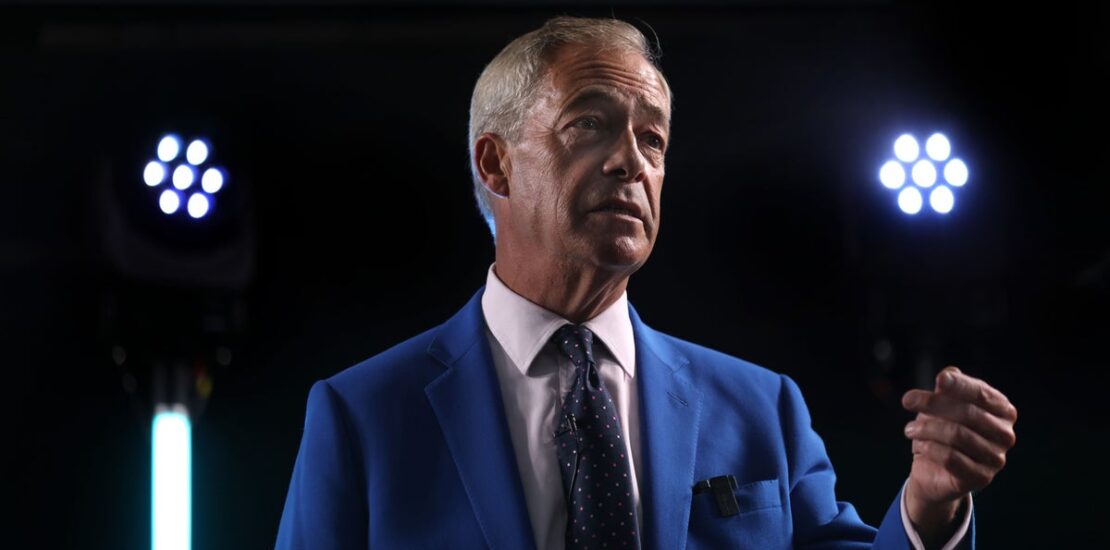
Nigel Farage, a notable figure in British politics, is now under scrutiny for allegedly receiving financial support from a convicted criminal prior to entering parliament. This situation serves as a reminder of the importance of transparency and accountability in public office, fitting into larger discussions about ethics and trust in government.
Background of the Allegations
According to a recent report, George Cottrell, who has a history of legal troubles including a conviction for wire fraud, provided financial assistance to Farage in various forms. This support included funding for staff, security, and housing needs leading up to the last general election. Cottrell, known for his work in the cryptocurrency gambling sector, reportedly recruited and paid for three staff members to enhance Farage’s social media presence before he was elected as the MP for Clacton.
When Farage entered parliament, he registered expense claims that raised eyebrows. He declared a £9,000 trip to Belgium, funded by Cottrell, and added a later claim for £15,000 for a domestic flight in the United States. The concern lies in whether he ignored mandatory rules requiring MPs to report any gifts over £300 within a year if it could be seen as influencing their political actions.
Parliamentary Rules and Potential Consequences
The rules requiring MPs to declare financial support are aimed at preventing conflicts of interest. They emphasize the need for transparency, allowing the public to know about financial ties that might influence lawmakers’ decisions. These rules are crucial for maintaining trust in public office, especially for those making significant legislative decisions.
If it is determined that Farage failed to abide by these rules, he could face various consequences, including suspension from the House of Commons. This might lead to a recall petition, potentially forcing a by-election in his district.
The current concerns aren’t limited to just the financial backing from Cottrell. Farage is also under investigation regarding a separate undisclosed gift of £5 million from a Thai billionaire, Christopher Harborne. The implications of these financial ties are both complex and significant, raising questions about accountability and integrity.
The Role of Public Scrutiny
The scandal has sparked significant public interest and brought calls for a financial watchdog investigation into Farage’s relationship with both Cottrell and Harborne. Labour Party officials are pushing for inquiries to understand whether Farage’s advocacy for cryptocurrency has benefited these wealthy donors. This discussion highlights how money in politics can create perceptions of wrongdoing, making the matter particularly sensitive.
Public scrutiny is essential in ensuring that elected officials are acting in the best interests of their constituents rather than for personal gain. The ongoing investigation serves to highlight the broader need for ethical conduct in politics and the necessity of establishing boundaries to prevent corrupt practices.
What this means for you
For the average citizen, these events underline the importance of transparency in political processes, emphasizing the need for scrutiny of those in power. Understanding the impact of money in politics can help voters make informed choices. If you ever need to review a financial statement or gift declaration related to your local officials, legal-document-to-plain-english-translator/”>AI legalese decoder can translate it into plain English in seconds, helping you grasp the critical information.
Need to decode legal language? Try the free AI Legalese Decoder — no registration required.

 ****** just grabbed a