
NFIB Highlights Two Crucial Issues Impacting Oregon Residents
- May 16, 2026
- Posted by: Alex Reed
- Category: Related News
NFIB Oregon State Director Anthony Smith recently made headlines discussing important issues affecting small businesses in Oregon. His insights on potential gas tax increases and a significant meal break case could have a real impact on everyday Oregonians, particularly as they navigate costs at the pump and work-life balance.
Measure 120: What’s at Stake?
Smith has been vocal about Measure 120, a proposed ballot initiative aimed at raising gas taxes and vehicle registration fees. During a recent interview with KOIN 6 News, he articulated the concerns many small business owners have regarding how this measure could strain consumers’ wallets. Higher gas taxes may lead to increased costs for goods and services, impacting essential spending for families. As small businesses struggle, this initiative has sparked a heated discussion among voters, compelling many to rethink how they might be affected if it passes.
Questions about the potential ripple effects of Measure 120 have been widespread. Small businesses often serve as the backbone of local economies. When increased taxation occurs, the costs can cascade down to consumers, making basic necessities like food and transportation even more expensive. As the election approaches, it’s crucial for residents to stay informed about measures that can affect their daily lives.
Meal Break Case Before the Supreme Court
In addition to discussing Measure 120, Smith took part in conversations regarding a pivotal meal break case currently before the Oregon Supreme Court. This case could redefine how meal breaks are mandated for small businesses across the state. Prior court rulings have raised questions about whether existing guidelines sufficiently protect workers or create excessive strain on employers.
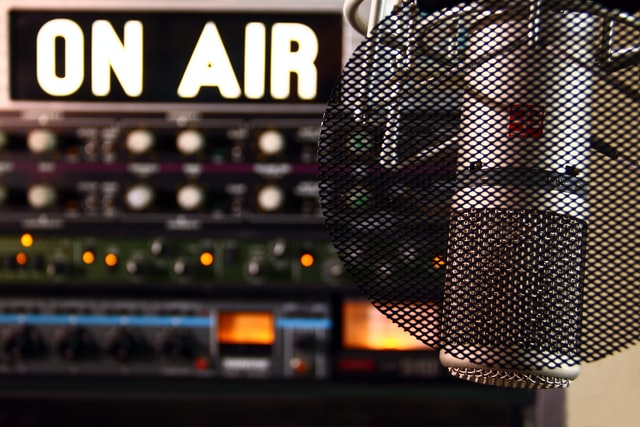
In an interview with Lars Larson, a popular radio host in the Pacific Northwest, Smith explained the complexities of this case. He emphasized the importance of finding a middle ground that supports both employee rights and small business sustainability. As the Supreme Court reviews the lower court’s decision, many are eager to see how the outcome could reshape labor practices and regulations in Oregon.
The legal intricacies involved in this case highlight the ongoing balance between worker rights and business operations. Many employees may not realize how such decisions could impact their daily work lives, from their rights to adequate breaks to how companies manage compliance with state laws.
Media Spotlight on Small Business Advocacy
Smith’s ongoing discussions around these critical issues have garnered significant attention from various media outlets. Releases from the National Federation of Independent Business (NFIB) have highlighted their proactive role in these discussions. Coverage from local media, including KRCW-TV and other news platforms, has amplified the conversation, making this a focal point for community members.
This heightened media presence is crucial for raising awareness. It encourages everyday people to engage in conversations about policies that directly affect them, shedding light on the importance of advocacy in small business matters. As public dialogues continue to unfold, voters have the opportunity to voice their opinions, which makes participating in elections all the more significant.
What this means for you
As issues like gas taxes and labor rights come to the forefront, it’s important to understand how these changes could impact your daily life. Keeping informed about local legislation means you can make better choices as a consumer and a voter. If you ever need to review employment contracts or other documents related to your rights at work, legal-document-to-plain-english-translator/”>AI legalese decoder can help you translate it into plain English in seconds.
Need to decode legal language? Try the free AI Legalese Decoder — no registration required.
Source: https://www.nfib.com/news/news/nfib-making-media-noise-on-two-oregon-issues/

 ****** just grabbed a