
NFIB Advocates for Small Businesses at Insurance Committee Hearing
- June 15, 2026
- Posted by: Alex Reed
- Category: Related News
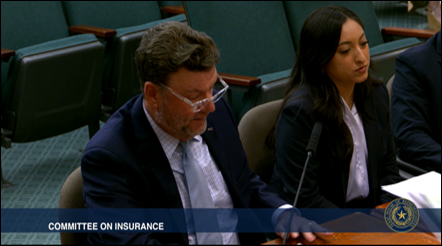
On June 4, 2026, a critical conversation unfolded that affects the health and livelihood of many small business owners across Texas. As the cost of health insurance continues to rise, the ability for these businesses to offer affordable coverage is increasingly challenged, impacting employees and their families.
The Testimony that Started It All
During a hearing held by the Texas House Committee on Insurance, NFIB State Director Jeff Burdett raised alarms about what he described as a “health insurance crisis” facing the small business community. His statement resonated deeply because many small businesses struggle to afford health benefits for their employees. Burdett’s testimony highlighted a pressing issue: business owners are in dire need of more health insurance choices and options beyond an all-or-nothing approach.
He emphasized the dire consequences of the current situation. Many small business owners have reported this issue as their largest problem. Burdett shared insights from conversations he had across Texas, revealing that no one disagrees on the severity of the crisis. As these discussions unfold, the voices of small business owners are crucial in shaping policies that aim to improve access to affordable insurance.
Advocacy for Change
In response to the challenges small businesses face, the NFIB is not just bringing attention to the issue; they are actively advocating for solutions at both the state and national levels. Their goal is to empower small business owners. This means pushing for policies that will provide more options and control over healthcare decisions. The NFIB believes that the right change can help lower healthcare costs and expand affordable coverage options.
The call for change goes beyond policy. It invites small business owners to share their experiences and challenges regarding healthcare. Personal stories can significantly influence elected officials, helping them understand the real-life implications of healthcare access for small businesses. By sharing these stories, owners can contribute to a movement aimed at creating a better healthcare landscape.
The Road Ahead
While the NFIB’s advocacy efforts are a step in the right direction, the journey toward reform isn’t straightforward. Fostering effective policies that benefit small businesses will require persistent dialogues and widespread support from business communities. Policymakers need to hear from a diverse range of voices, underscoring the collective need for practical and sustainable health insurance solutions.
The testimonies and discussions from hearings like the one held on June 4 are critical. They serve as platforms for bringing light to the complexities of health insurance in small businesses. Moreover, they emphasize the necessity for collaborative efforts among business owners, policymakers, and advocacy groups. Only through such teamwork can meaningful changes take place in the healthcare system.
What this means for you
For many small business owners, the ability to offer affordable health insurance options can be a deciding factor in employee retention and satisfaction. By engaging in advocacy efforts and sharing personal stories, owners can make a significant impact on policies that affect their businesses. If you ever need to review health insurance documents or policies, legal-document-to-plain-english-translator/”>AI legalese decoder can translate it into plain English in seconds.
Need to decode legal language? Try the free AI Legalese Decoder — no registration required.
Source: https://www.nfib.com/news/news/nfib-testifies-before-committee-on-insurance/

 ****** just grabbed a