
New Recovery Center Welcomes Patients with Innovative Services
- June 21, 2026
- Posted by: Alex Reed
- Category: Related News
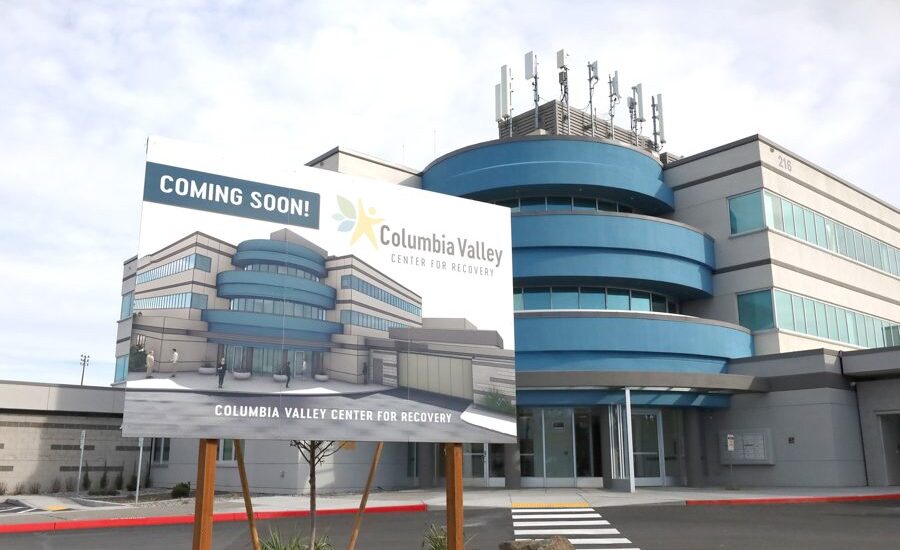
The opening of a new behavioral health and substance use treatment center in Kennewick is a game changer for local residents. With mental health resources often limited, this facility provides hope and essential services to those in need right in their own community.
A Vital Resource for the Community
The Columbia Valley Center for Recovery officially welcomed its first patients on June 20. Located in the old Kennewick General Hospital building, this center is set to be a cornerstone of mental health support for the Tri-Cities and nearby communities. It is the only center of its kind in the area, promising to enhance treatment options dramatically.
Jodi Daly, CEO of Comprehensive Healthcare, commented on the significance of the facility, stating that it brings “intensive support closer to home.” Accessible care is crucial for patients who benefit from the support of their families and local providers during recovery.
The center offers four distinct treatment programs, with the first two currently available: the Crisis Stabilization Center and the Co-Occurring Residential Treatment Center. These programs aim to assist patients who are voluntarily seeking help for mental health issues and substance use disorders.
Years of Effort and Investment
The journey to establish this recovery center wasn’t quick or easy. It took years of effort, funding, and advocacy to transform a century-old hospital into a modern behavioral health facility. The project, which cost around $23 million, included extensive demolition and renovation work. Partners like Bouten Construction, NAC Architecture, and MSI Engineers played significant roles, ensuring the facility meets the needs of future patients.
Ownership of the center rests with Benton County, while day-to-day operations are managed by Yakima-based Comprehensive Healthcare. This partnership aims to ensure the center runs efficiently and provides the best possible care to its patients.
When fully operational, the center will accommodate 64 patients, enabling a wide array of programs to support recovery. The importance of such facilities cannot be overstated, especially in areas where mental health resources have historically been scarce.
A Bright Future for Mental Health Services
As the center begins to accept patients, leaders in the community are celebrating the positive change it promises to bring. Matt Rasmussen, a deputy administrator for Benton County, highlighted that this facility represents a “meaningful investment” in the community’s health and wellbeing.
The other two treatment programs, the Crisis Relief Center and Secure Withdrawal Management Program, will soon open their doors, pending state approval for the center’s pharmacy license. This phased opening reflects the careful approach to ensure all operations are running smoothly from the start.
The community’s response has been overwhelmingly positive, with leaders recognizing the essential role this center will have in transforming care. By expanding access to mental health services, it not only aids individuals but has the potential to benefit families and the broader community.
What this means for you
The opening of the Columbia Valley Center for Recovery is a reminder of the importance of accessible mental health services in your community. If you ever need to review health-related documents, AI legalese decoder can decode the fine print quickly and clearly. Understanding these documents is crucial when making informed decisions about your care.
Need to decode legal language? Try the free AI Legalese Decoder — no registration required.
Source: https://www.tricitiesbusinessnews.com/articles/recovery-center-opens-to-patients

 ****** just grabbed a