
New Orleans Tourism Faces Challenges Amid Summer Slowdown
- May 17, 2026
- Posted by: Alex Reed
- Category: Related News
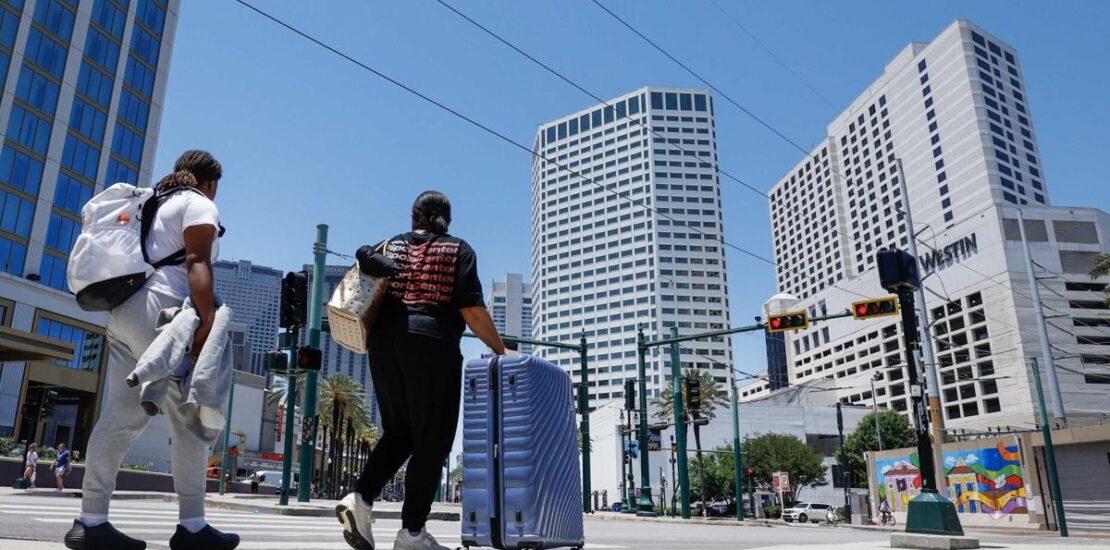
Tourism can greatly impact the local economy, and New Orleans is a prime example. Despite record visitor numbers in recent years, many local businesses are still waiting for the financial boost they hoped for.
Visitor Trends in New Orleans
In 2025, New Orleans saw around 19.4 million visitors, the highest since before the pandemic. These tourists spent approximately $10.8 billion, marking an 8% increase compared to 2024. Yet, not all is rosy in the tourist-heavy areas like the French Quarter and downtown. Some businesses, including well-known hotels, restaurants, and attractions, reported a decline in revenue even as foot traffic increased.
For instance, ticket sales at the Audubon Aquarium dropped by 17%, a trend that began in the latter part of last year and persisted into 2026. Similarly, hotel occupancy rates in key areas like the French Quarter averaged just over 61%, down from 64% in 2024. Many industry leaders are anxious about the future, especially as gas prices rise, potentially deterring visitors from spending money in the city.
The Impact of Costs on Tourist Behavior
Ralph Brennan, the owner of several popular restaurants, commented on the noticeable absence of crowds in the French Quarter, especially during weekdays. He noted that many local establishments depend on consistent foot traffic to thrive.
The past few years have shown a complicated picture for New Orleans tourism. While the city appears to rebound from the COVID-19 pandemic, various pressures, including a decline in international visitors and inflated travel costs, are taking their toll. Local tourism officials recognize these challenges but remain optimistic about the city’s ability to attract visitors, especially with a new mayor in office.
Walt Leger, president and CEO of New Orleans & Co., stated that there is a growing trend of regional visitors returning to the French Quarter, which could help offset some of the downturn.
The Role of Short-Term Rentals and Changing Preferences
Compounding the issue are short-term rentals, which now compete directly with traditional hotels for business. Many visitors now prefer platforms like Airbnb, making it more challenging for hotels to maintain occupancy rates. Even with stricter regulations in place that have removed many short-term options, an abundance of these rentals still exists, influencing how people choose to spend their nights in the city.
Some hotel operators have noticed that a rising number of guests are from nearby regions, opting to stay with family or friends instead of booking hotel rooms. Chris Valentino, who operates several hotels, expressed concern about the shift away from advance bookings, a result of lingering uncertainties post-pandemic.
Meanwhile, some newer establishments in different parts of the city are seeing success. For example, the Mayfair hotel has surprised owners with its luxury appeal, and several cultural attractions report a steady increase in local attendance.
What This Means for You
The fluctuating tourist landscape in New Orleans highlights the importance of paying attention to trends while deciding on travel. If you’re planning a trip, be aware that hotel options might be limited, impacting accommodation costs. Additionally, understanding the fine print in contracts, like hotel deals or rental agreements, is crucial. If you ever need to review those documents, legal-document-to-plain-english-translator/”>AI legalese decoder can translate them into plain English in seconds.
Need to decode legal language? Try the free AI Legalese Decoder — no registration required.

 ****** just grabbed a