
New AI Trade Surge Outpaces Nvidia and Micron’s Performance
- May 8, 2026
- Posted by: Alex Reed
- Category: Related News
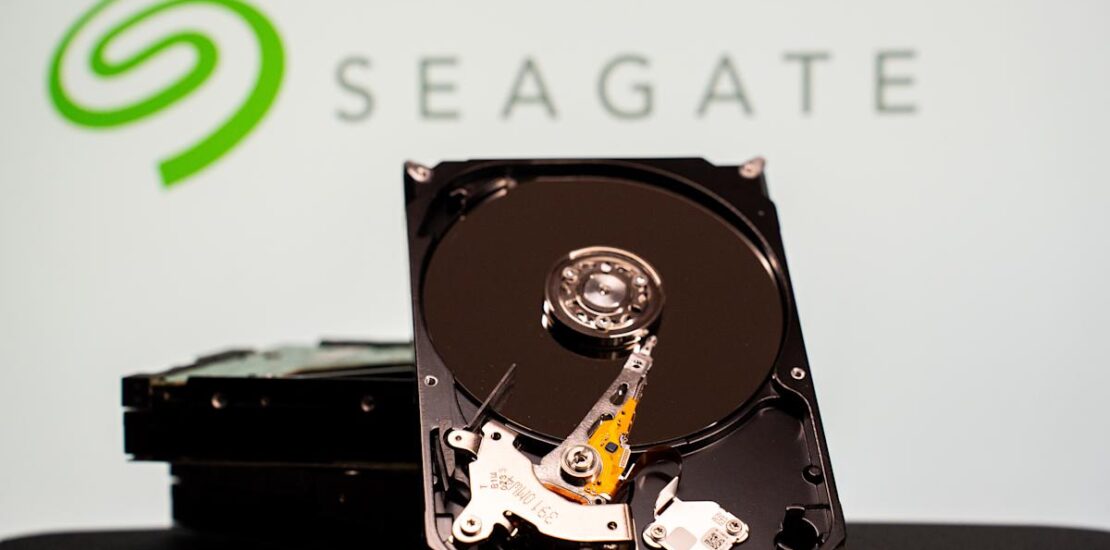
Nvidia and Micron have dominated headlines as key players in the AI boom. However, a surprising turn of events has seen older storage companies like Western Digital and Seagate surge ahead, making headlines of their own. This shift highlights a larger trend that impacts all of us, from tech enthusiasts to everyday consumers.
The Rise of Traditional Storage Companies
Since the launch of ChatGPT in November 2022, Western Digital and Seagate have surpassed Nvidia and Micron in stock performance. Data from Yahoo Finance shows this clear shift in momentum. Many may wonder how companies that focus on less flashy technology, like hard drives and solid-state drives, have soared in value.
The answer lies in the changing needs of the tech market. AI is not just limited to cutting-edge graphics processing units (GPUs); the demand for memory and storage is also skyrocketing. This is due to the sheer volume of data AI systems generate and the necessity of storing it efficiently. The rise of AI has made the components that support these systems, often overlooked, more critical than ever.
A Shift in Market Focus
The market is no longer solely focused on the standout names like Nvidia and Micron. Instead, investors are beginning to recognize the importance of the companies that support the broader tech infrastructure. This includes firms specializing in memory, storage, networking, and even legacy chips.
The surge in interest for these companies has drawn attention to a secondary, but equally important, part of the tech landscape. While many may view AI as a game of flash and pizzazz, the reality is that a robust foundation is necessary for these systems to run efficiently.
Performance of Tech Stocks
Looking at individual performances, it is evident that the catch-up trade is thriving across the semiconductor sector. For instance, Intel has seen a remarkable 200% increase since late March and recently reached record highs, sparked by a new agreement with Apple surrounding chip production.
Micron has also reported impressive gains of around 130% since March, adding significant market value. Other players, including AMD and SanDisk, are enjoying similar success, showcasing how the chip market is rallying. In sum, while Nvidia continues to dominate in terms of sheer market capitalization—adding over $1 trillion since March—the competitive landscape is changing quickly.
Understanding the Bigger Picture
This shift in focus emphasizes how investors are now paying attention to companies that can alleviate the challenges posed by the rapid growth of AI technologies. The market is recognizing that the companies beneath the surface, those that build the infrastructure necessary for cutting-edge applications, are just as vital as the headline grabbers.
As everyday consumers and tech users, this is a vital trend to watch. The tech landscape will continue to evolve, and those behind the scenes will play pivotal roles in how AI and related technologies impact our lives.
What this means for you
Understanding where the tech market is heading can help you make more informed choices as a consumer. Investment trends like these can affect product availability and pricing, directly impacting everyday life. If you ever need to review a purchase agreement or warranty document, AI legalese decoder can help you translate it into plain English in seconds.
Need to decode legal language? Try the free AI Legalese Decoder — no registration required.

 ****** just grabbed a